Thank you for visiting SNEWPapers!
Sign up free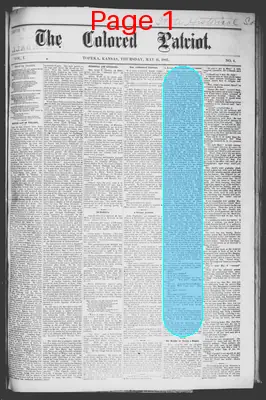
Story
May 11, 1882
The Colored Patriot
Topeka, Shawnee County, Kansas
What is this article about?
An American traveler faces mishaps in London restaurants: delayed and overcharged breakfast, and frustration from unavailable dishes and petty billing at dinner, highlighting cultural dining differences.
Clipping

OCR Quality
95%
Excellent
Full Text
A Hungry Man's Experience in London.
This man, this weak, foolish vessel, went out to breakfast one morning at ten o'clock. Being a generous and forgiving person, he selected the place where he had dined the night before. Some of the shutters were still on the windows. He went in, however. The long narrow apartment was full of dust, the chairs were all piled upon the tables, and a man was sweeping the dry floor with a dry broom and the most bewildering energy. The prospect was not promising, but not altogether cheerless. It was clear proof that people did sometimes sweep in London. The dust was a little too thick for weak lungs, however, and the stranger went out. He walked to several other restaurants and couldn't get in at all. So he drifted back again, reflecting that it was probably a holiday of one kind or another. By this time the tables were partly covered, and one or two of the waiters had arrived. The stranger sat down and looked around. Nobody took the slightest notice of him, and after a while he rapped for a waiter. Then one of them came, staring at him unpleasantly. The American said he would take breakfast. The waiter replied that they did not serve anything until twelve. Everybody breakfasted at home. Well, yes, he would try and get something for the gentleman, but it was against the rules. He departed, having left this suggestion of an extra fee. By and by he came back with fried sole, eggs, coffee, rolls and a chop. The American ate voraciously, and called for the bill. His waiter reckoned it up rapidly in his head at seven shillings, or $1.75, and the foolish stranger paid him a shilling besides. Two or three days later he discovered that he had been overcharged by three shillings. Thus it cost him just one dollar of stealings and fees to learn to eat breakfast at home. This same man made a nice row in a restaurant at dinner one night when he first arrived. He had been warned to keep on the look-out for overcharges, and by the time his meal was finished he was in a good mood for that sort of a thing. He had arrived in the restaurant at five o'clock, and had called for a bill of fare. It was printed on a sheet of paper just the size of a page of the Chicago News. Half the items were in red ink. This indicated that they were special dishes for that day. He had soup, and ordered boiled mutton in red ink. The waiter consulted with the cook, and said the mutton would be done in three minutes. The stranger waited. In ten minutes the waiter came back and said the cook had concluded not to serve any more mutton that day. The American said he would have a lamb chop—also in red ink. Another consultation, and another disappointment. There were no lamb chops. Would he try a fillet of beef, rare? Yes, he would. The waiter looked rather ashamed as he came back this time. He had no need to speak. The truth was written on his face. There was no fillet. The American was angry, but calm. He said: "Bring me anything you've got in your measly old ranch. I don't care what it is. Only don't keep me in suspense. I don't want to make up my mouth for any more things and not get them. Get me anything you have got." He received a fair sort of a dinner, but he was out of sorts all the time. It is no laughing matter to work one's imagination up to one thing and get another. When it came to making out the bill you may imagine how carefully he watched his man putting down the items. As the waiter wrote, he talked. This is how it ran: "One soup, one radishes and butter, one new potatoes, one turbot, one steak, one asparagus, one peas, one Bass'—how many breads?" "What?" "How many breads?" "None of your business. Well, I'll have to charge for two." "Charge? You don't charge for bread?" "Yes, sir. A penny for each bread." "Humph! Well, I had one." This very sulkily. "How many butters?" "Eh?" "How many butters?" "Butters? Oh! You charge for butter? Ah! I see. Two butters. There's nothing mean about you. Oh, no. Hold on there. Don't add her up yet. You've forgotten the salt. I had some on my radishes." "No charge for salt." "… What? Is there anything you don't charge for in this infernal country? Perhaps you want to tuck it on for that glass of water I had a mouthful out of. No? Well, this is simply paralyzing liberality." And he went out muttering. This actually occurred in a restaurant where fully five hundred people dine every day. I know, because I have seen the man. I see him in the mirror every morning when I am dressing—London Cor. Chicago News
This man, this weak, foolish vessel, went out to breakfast one morning at ten o'clock. Being a generous and forgiving person, he selected the place where he had dined the night before. Some of the shutters were still on the windows. He went in, however. The long narrow apartment was full of dust, the chairs were all piled upon the tables, and a man was sweeping the dry floor with a dry broom and the most bewildering energy. The prospect was not promising, but not altogether cheerless. It was clear proof that people did sometimes sweep in London. The dust was a little too thick for weak lungs, however, and the stranger went out. He walked to several other restaurants and couldn't get in at all. So he drifted back again, reflecting that it was probably a holiday of one kind or another. By this time the tables were partly covered, and one or two of the waiters had arrived. The stranger sat down and looked around. Nobody took the slightest notice of him, and after a while he rapped for a waiter. Then one of them came, staring at him unpleasantly. The American said he would take breakfast. The waiter replied that they did not serve anything until twelve. Everybody breakfasted at home. Well, yes, he would try and get something for the gentleman, but it was against the rules. He departed, having left this suggestion of an extra fee. By and by he came back with fried sole, eggs, coffee, rolls and a chop. The American ate voraciously, and called for the bill. His waiter reckoned it up rapidly in his head at seven shillings, or $1.75, and the foolish stranger paid him a shilling besides. Two or three days later he discovered that he had been overcharged by three shillings. Thus it cost him just one dollar of stealings and fees to learn to eat breakfast at home. This same man made a nice row in a restaurant at dinner one night when he first arrived. He had been warned to keep on the look-out for overcharges, and by the time his meal was finished he was in a good mood for that sort of a thing. He had arrived in the restaurant at five o'clock, and had called for a bill of fare. It was printed on a sheet of paper just the size of a page of the Chicago News. Half the items were in red ink. This indicated that they were special dishes for that day. He had soup, and ordered boiled mutton in red ink. The waiter consulted with the cook, and said the mutton would be done in three minutes. The stranger waited. In ten minutes the waiter came back and said the cook had concluded not to serve any more mutton that day. The American said he would have a lamb chop—also in red ink. Another consultation, and another disappointment. There were no lamb chops. Would he try a fillet of beef, rare? Yes, he would. The waiter looked rather ashamed as he came back this time. He had no need to speak. The truth was written on his face. There was no fillet. The American was angry, but calm. He said: "Bring me anything you've got in your measly old ranch. I don't care what it is. Only don't keep me in suspense. I don't want to make up my mouth for any more things and not get them. Get me anything you have got." He received a fair sort of a dinner, but he was out of sorts all the time. It is no laughing matter to work one's imagination up to one thing and get another. When it came to making out the bill you may imagine how carefully he watched his man putting down the items. As the waiter wrote, he talked. This is how it ran: "One soup, one radishes and butter, one new potatoes, one turbot, one steak, one asparagus, one peas, one Bass'—how many breads?" "What?" "How many breads?" "None of your business. Well, I'll have to charge for two." "Charge? You don't charge for bread?" "Yes, sir. A penny for each bread." "Humph! Well, I had one." This very sulkily. "How many butters?" "Eh?" "How many butters?" "Butters? Oh! You charge for butter? Ah! I see. Two butters. There's nothing mean about you. Oh, no. Hold on there. Don't add her up yet. You've forgotten the salt. I had some on my radishes." "No charge for salt." "… What? Is there anything you don't charge for in this infernal country? Perhaps you want to tuck it on for that glass of water I had a mouthful out of. No? Well, this is simply paralyzing liberality." And he went out muttering. This actually occurred in a restaurant where fully five hundred people dine every day. I know, because I have seen the man. I see him in the mirror every morning when I am dressing—London Cor. Chicago News
What sub-type of article is it?
Curiosity
Deception Fraud
Journey
What themes does it cover?
Deception
Misfortune
Social Manners
What keywords are associated?
London Restaurants
American Traveler
Overcharging
Dining Mishaps
Cultural Differences
What entities or persons were involved?
The American
The Stranger
Where did it happen?
London
Story Details
Key Persons
The American
The Stranger
Location
London
Story Details
An American traveler encounters delays, overcharges, and unavailability of dishes in London restaurants during breakfast and dinner, leading to frustration and learning to adapt to local customs.