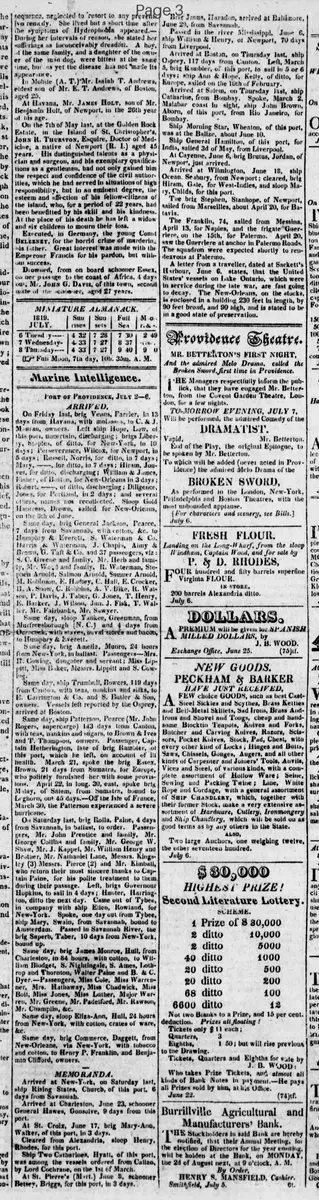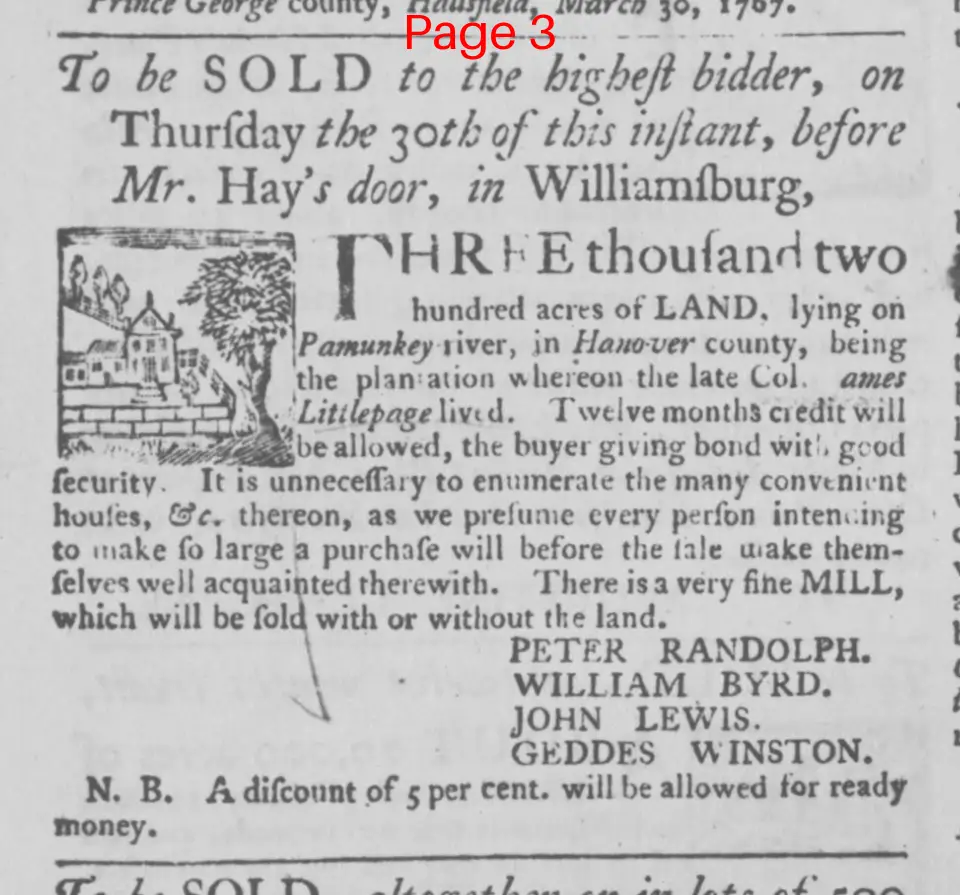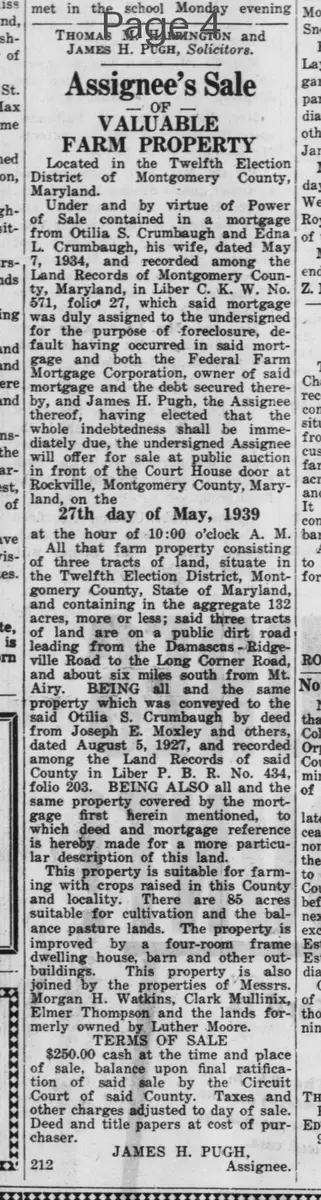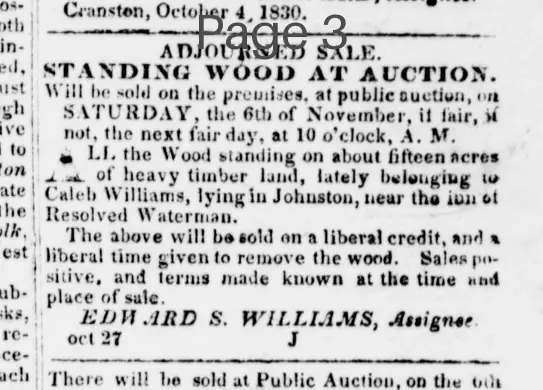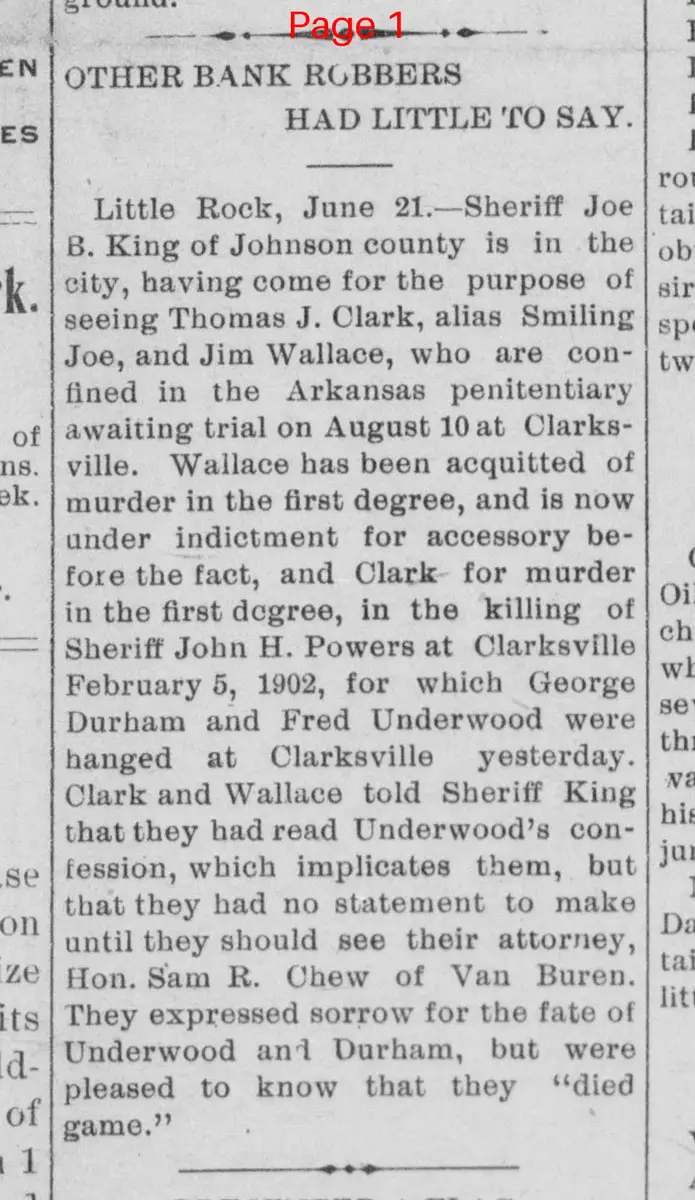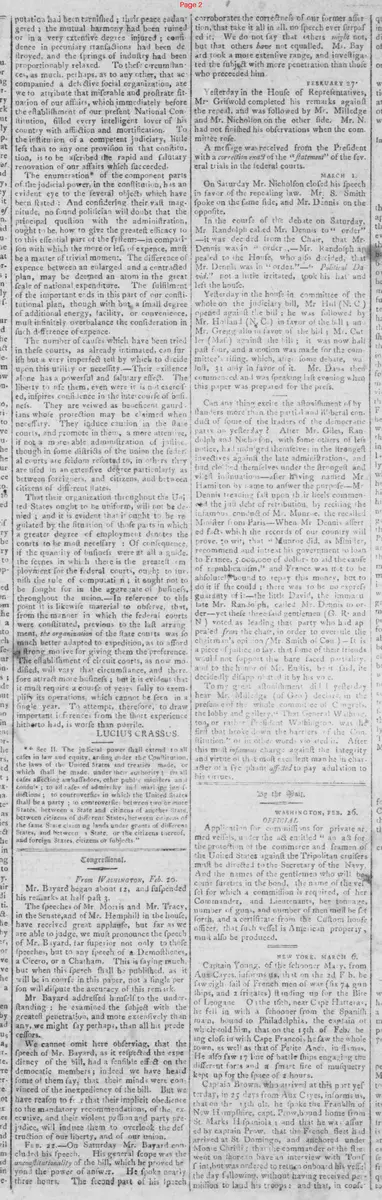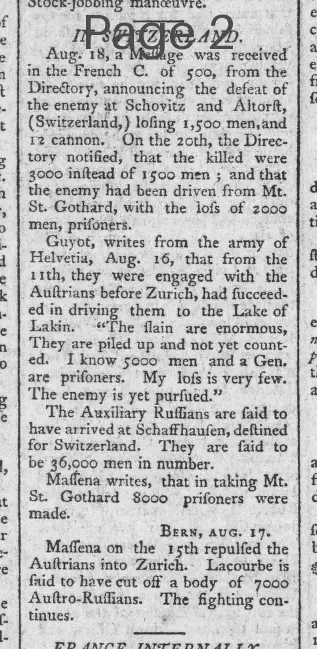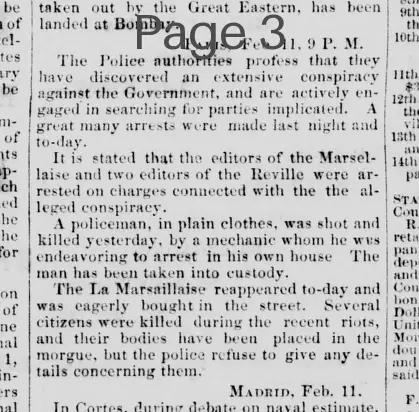
The SNEWPapers Difference

What is SNEWPapers?

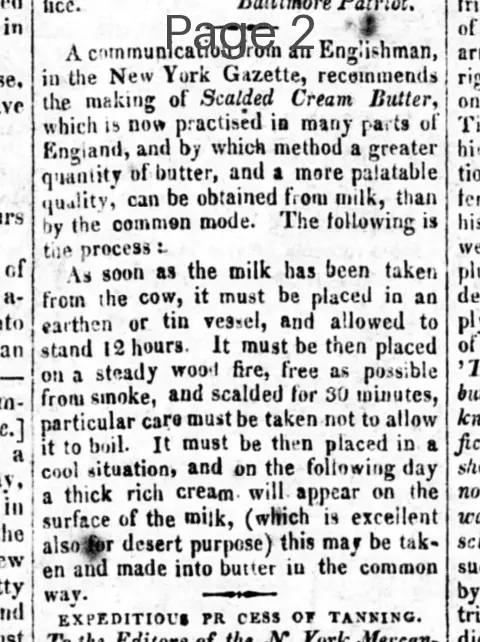
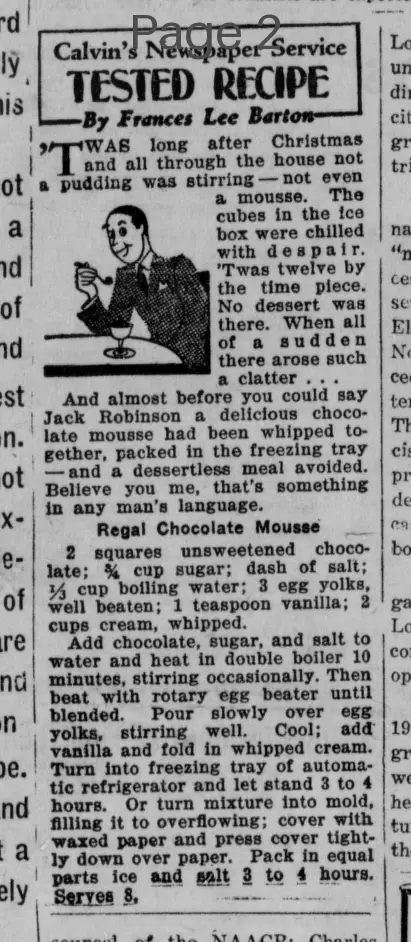
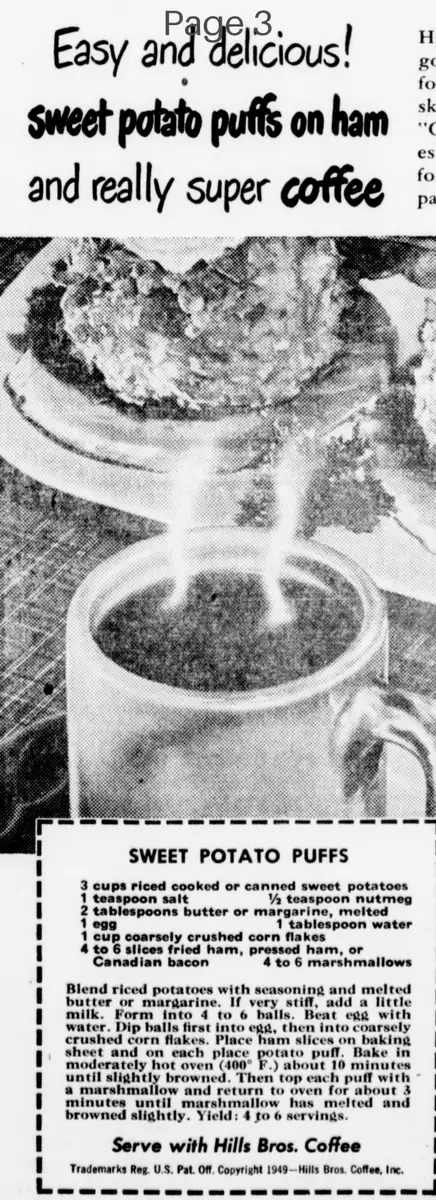
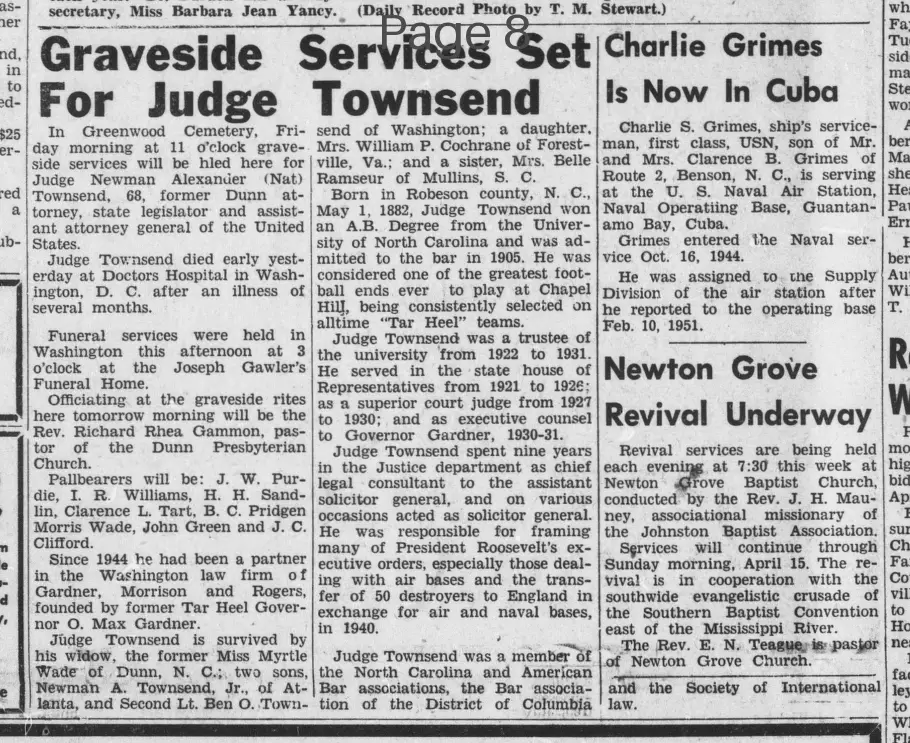
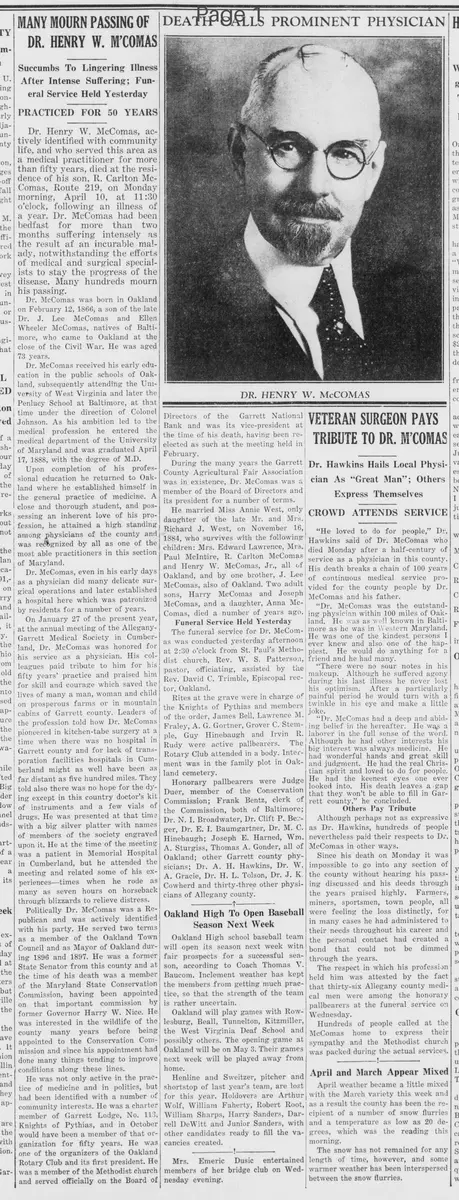
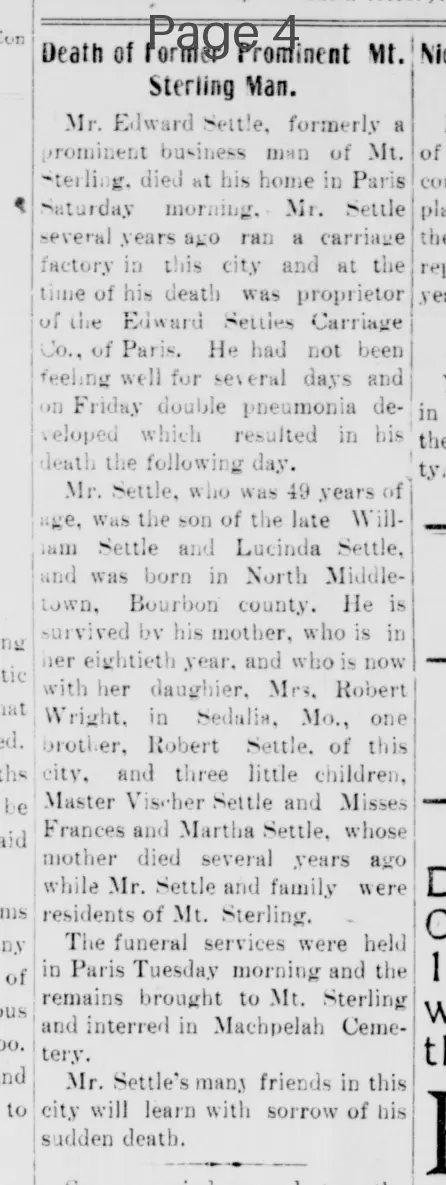
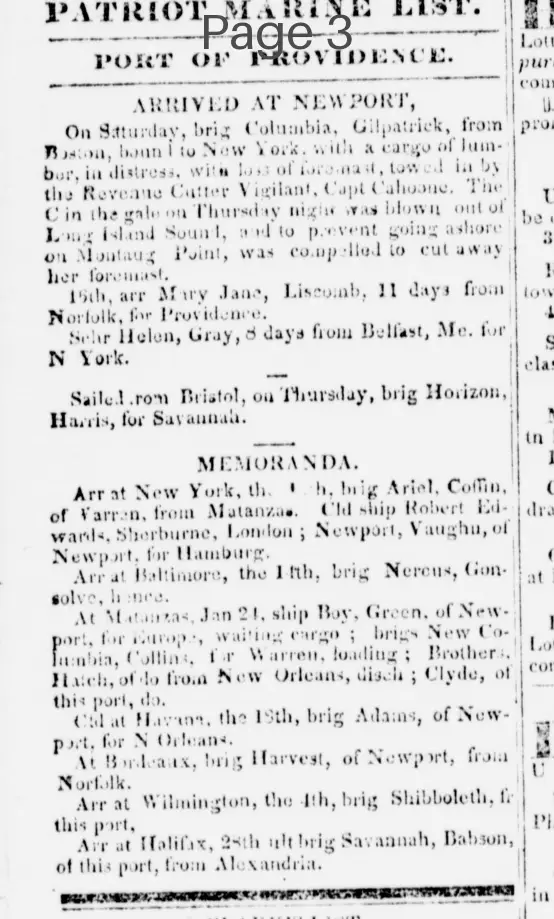
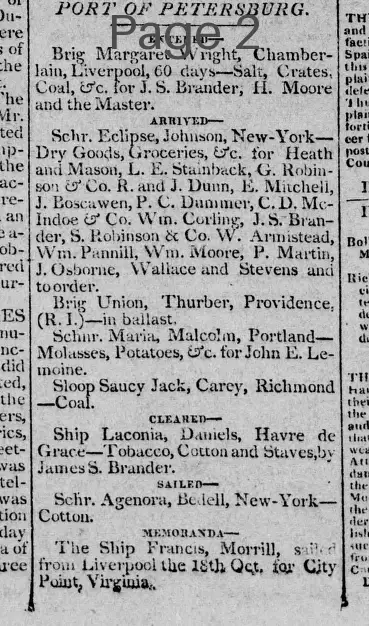
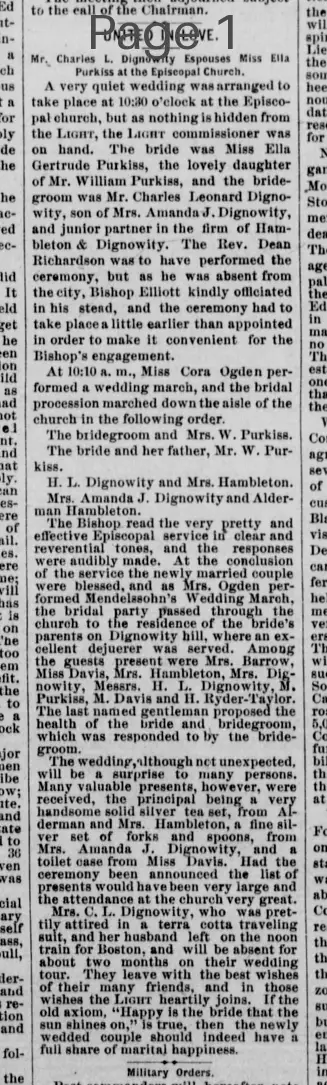
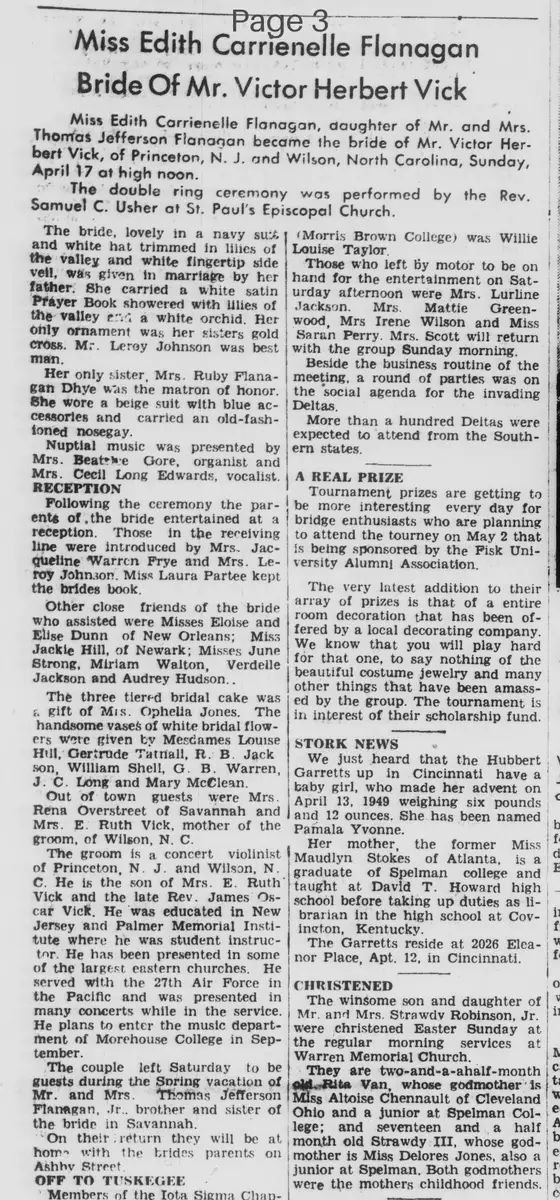
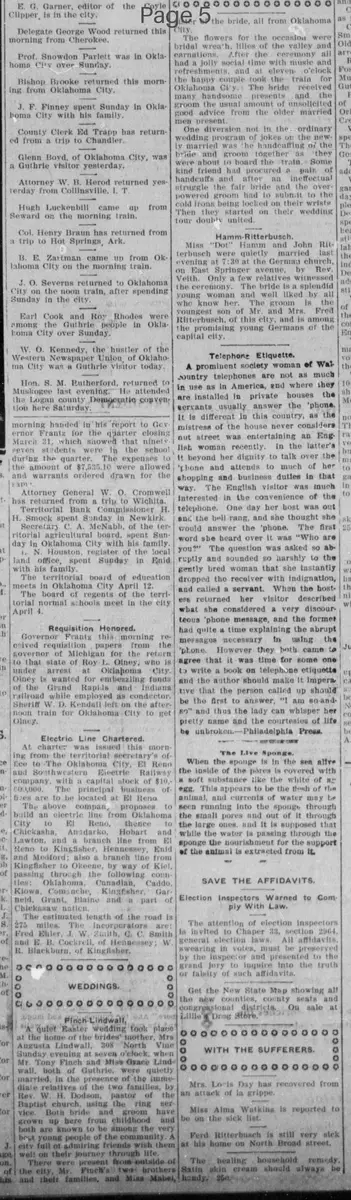
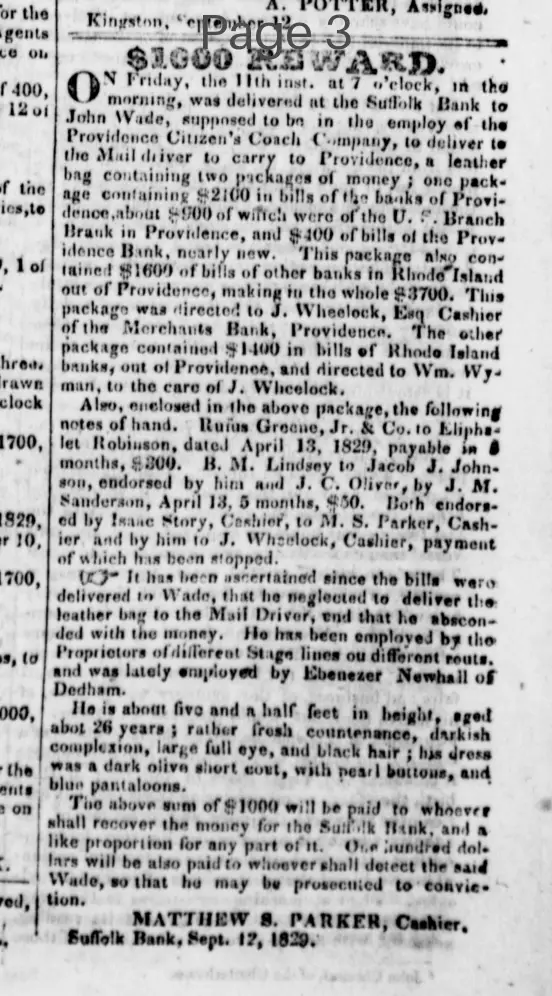
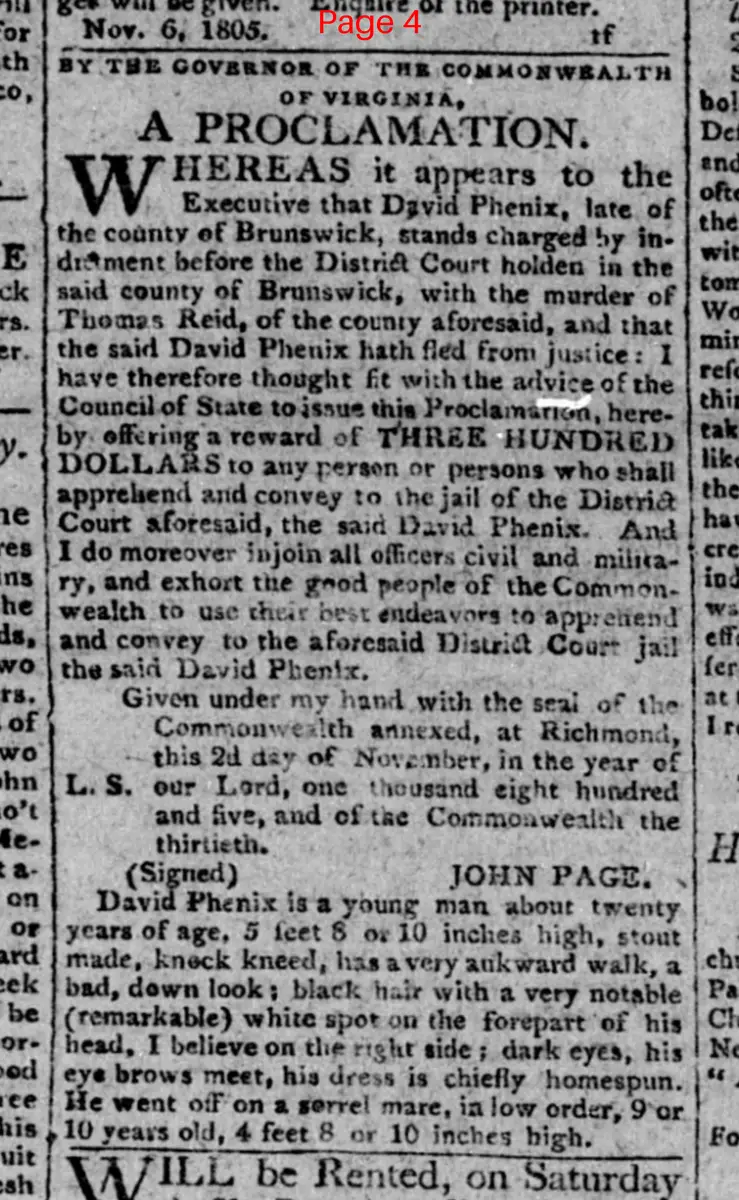
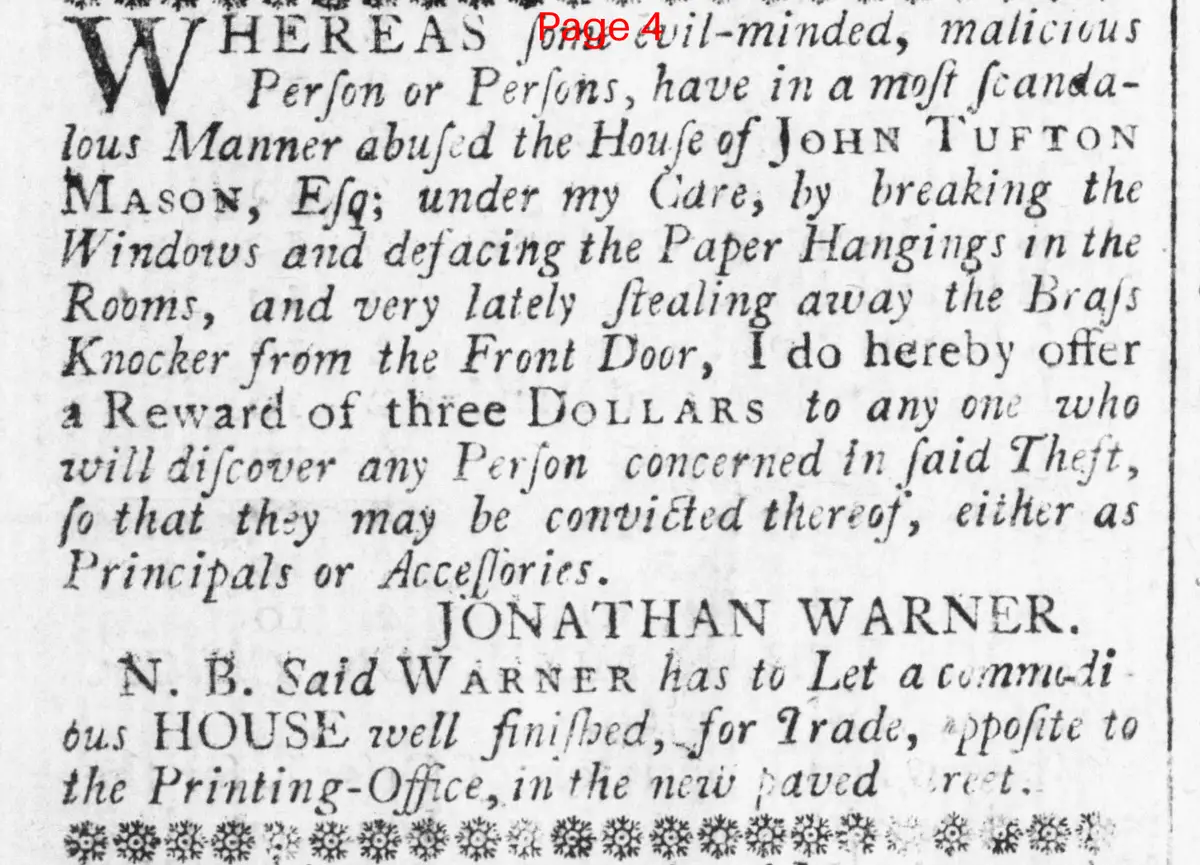
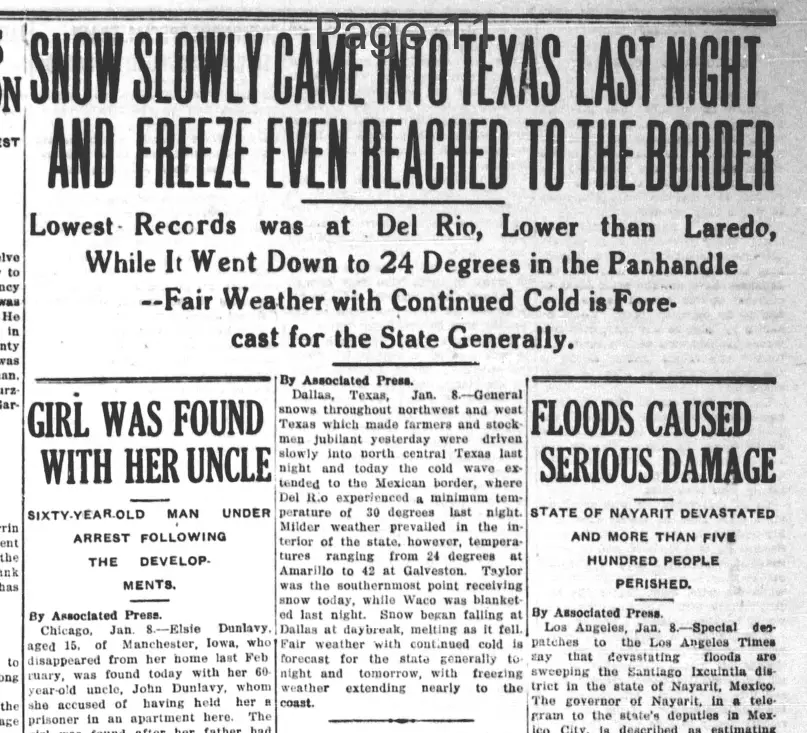
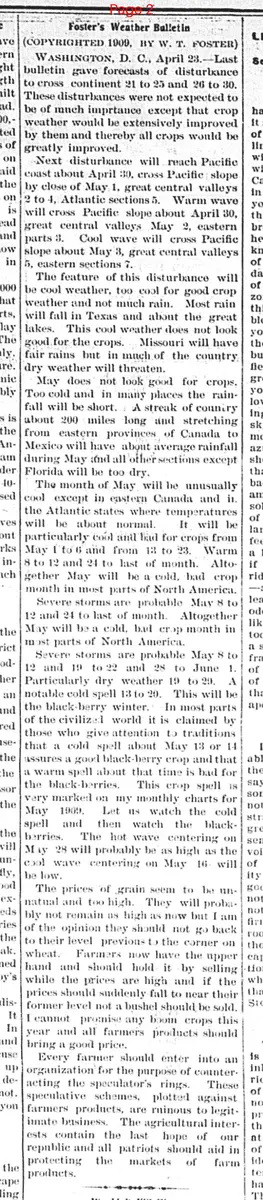
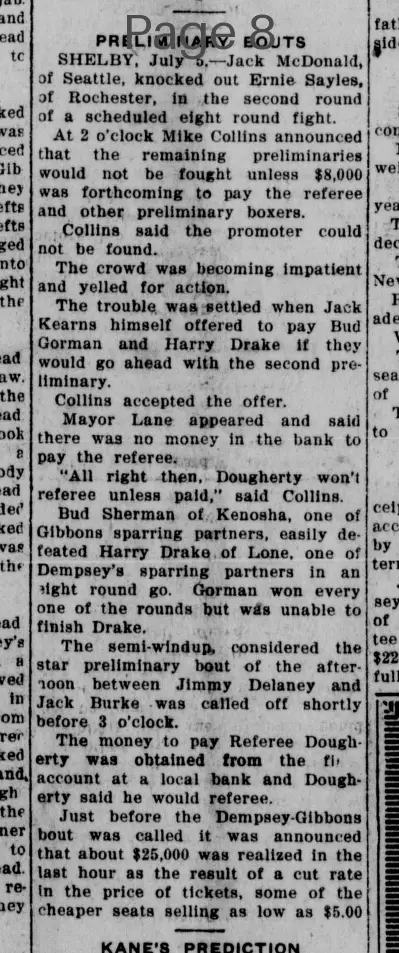
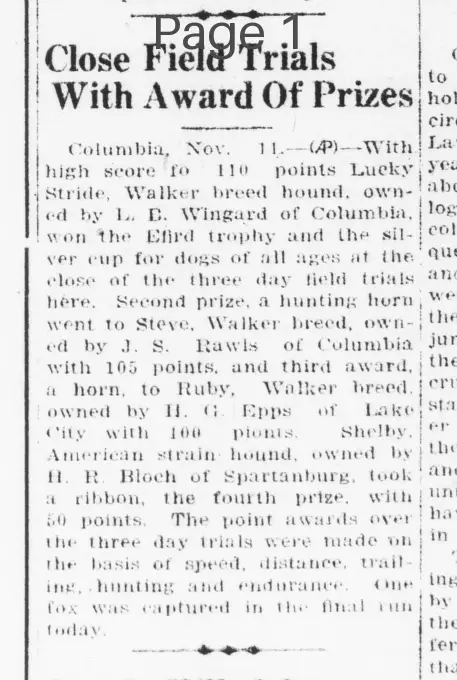
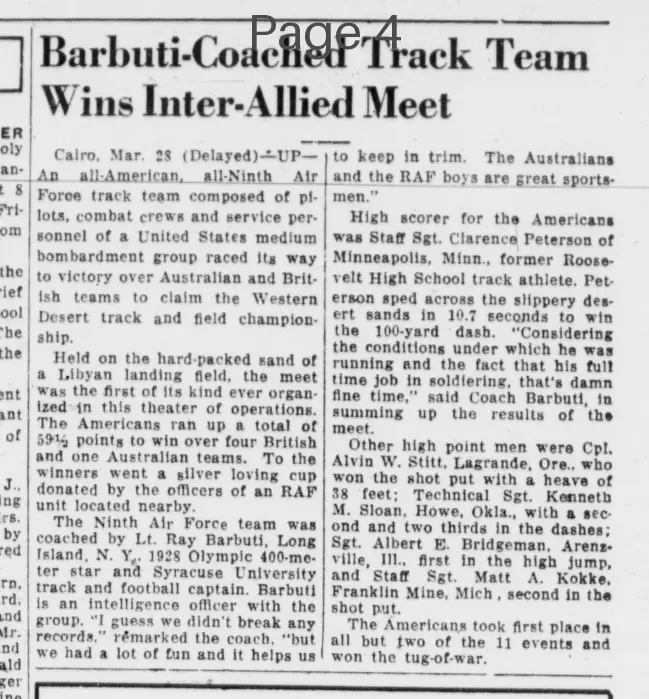
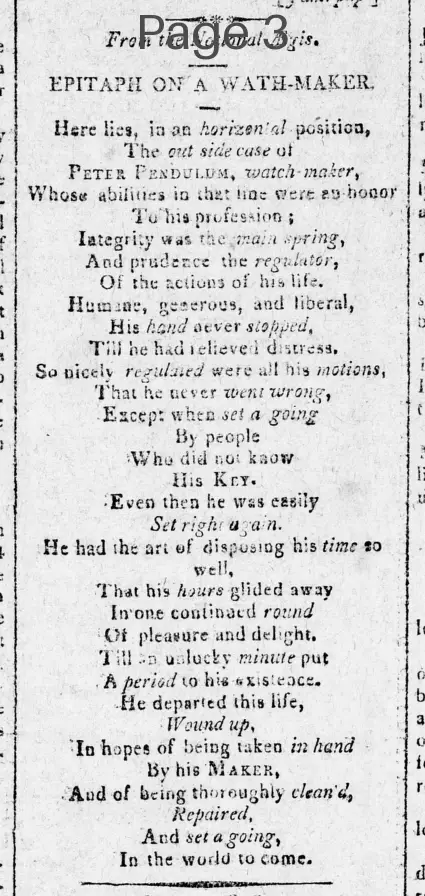
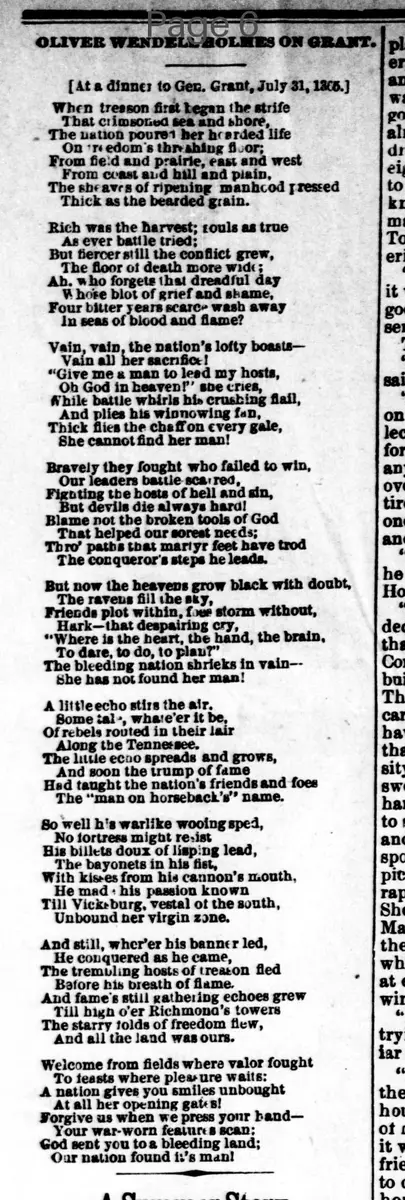
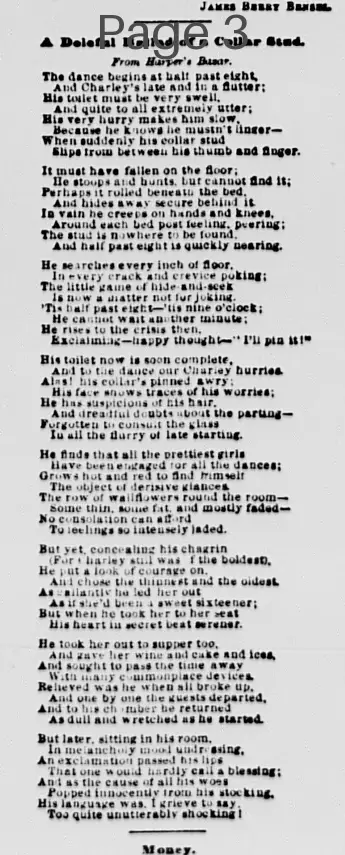
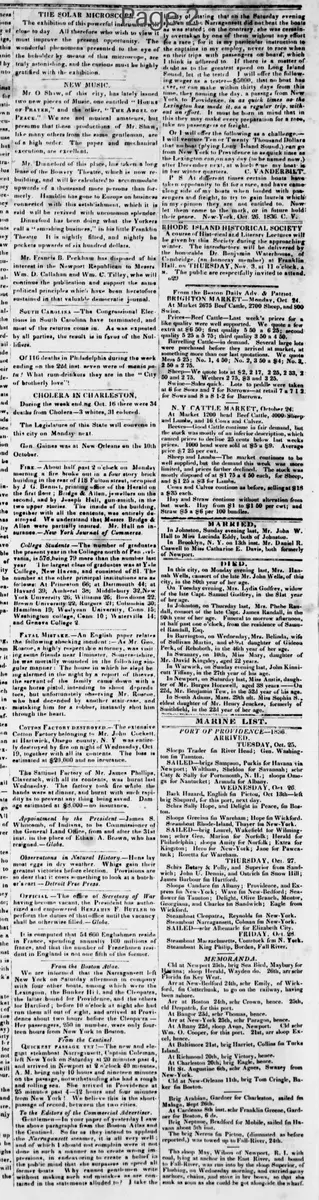
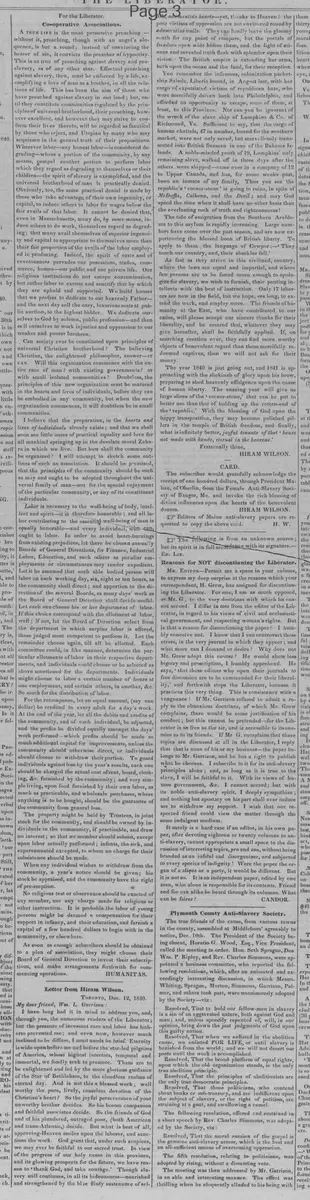
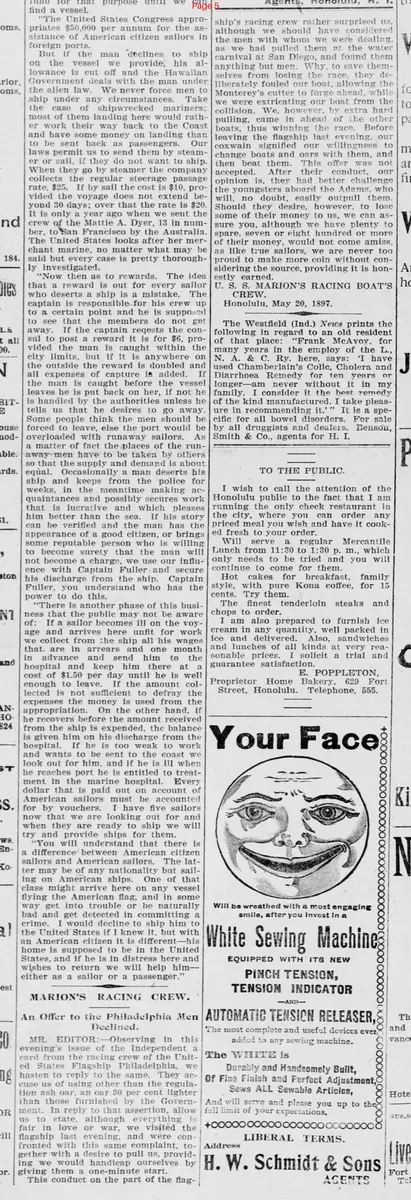
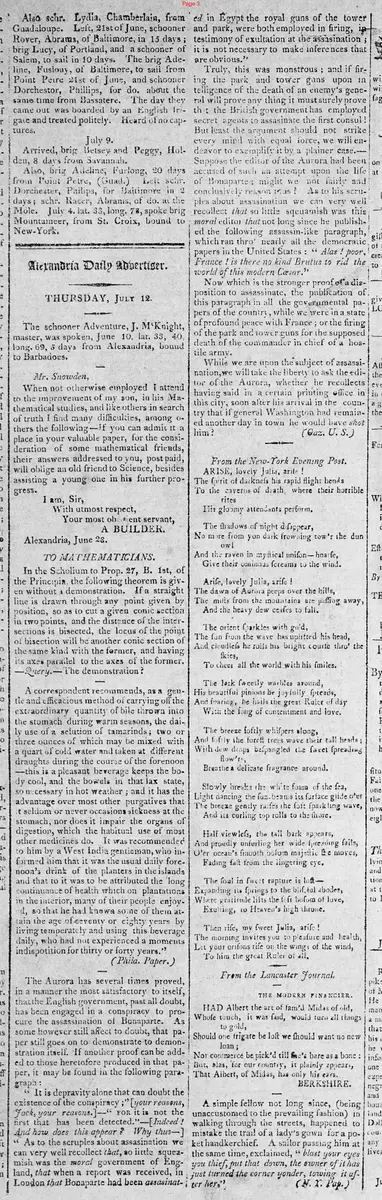
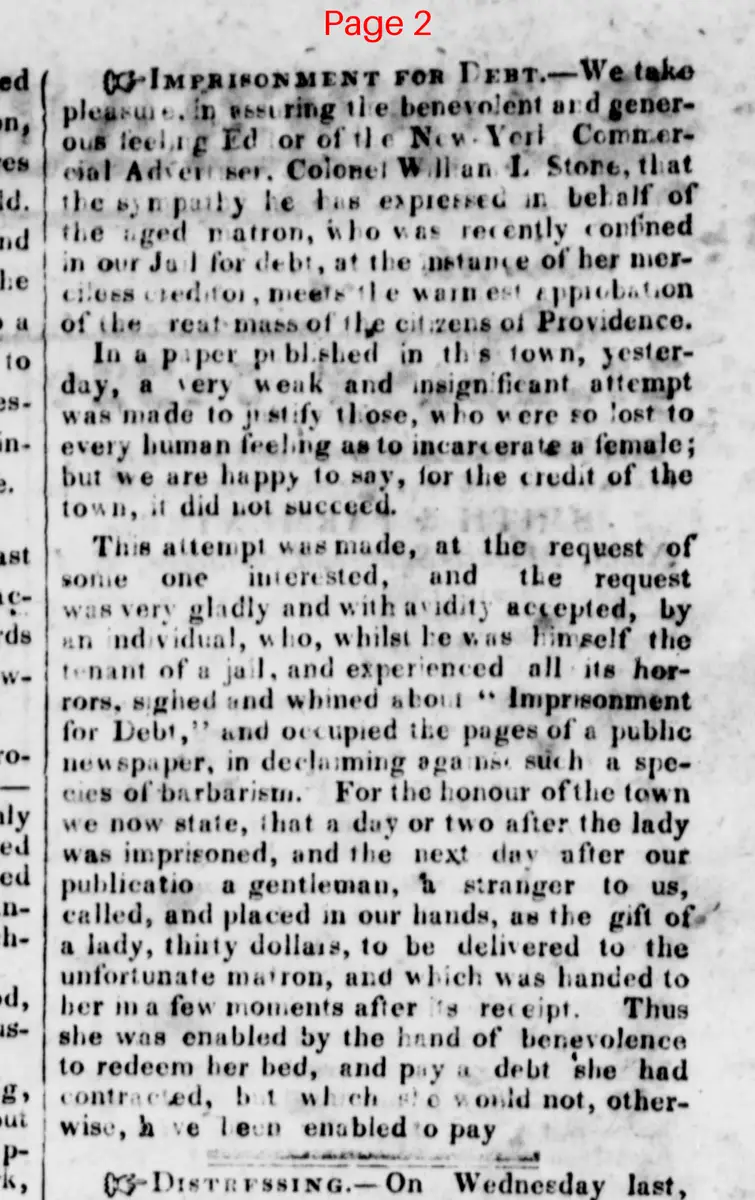
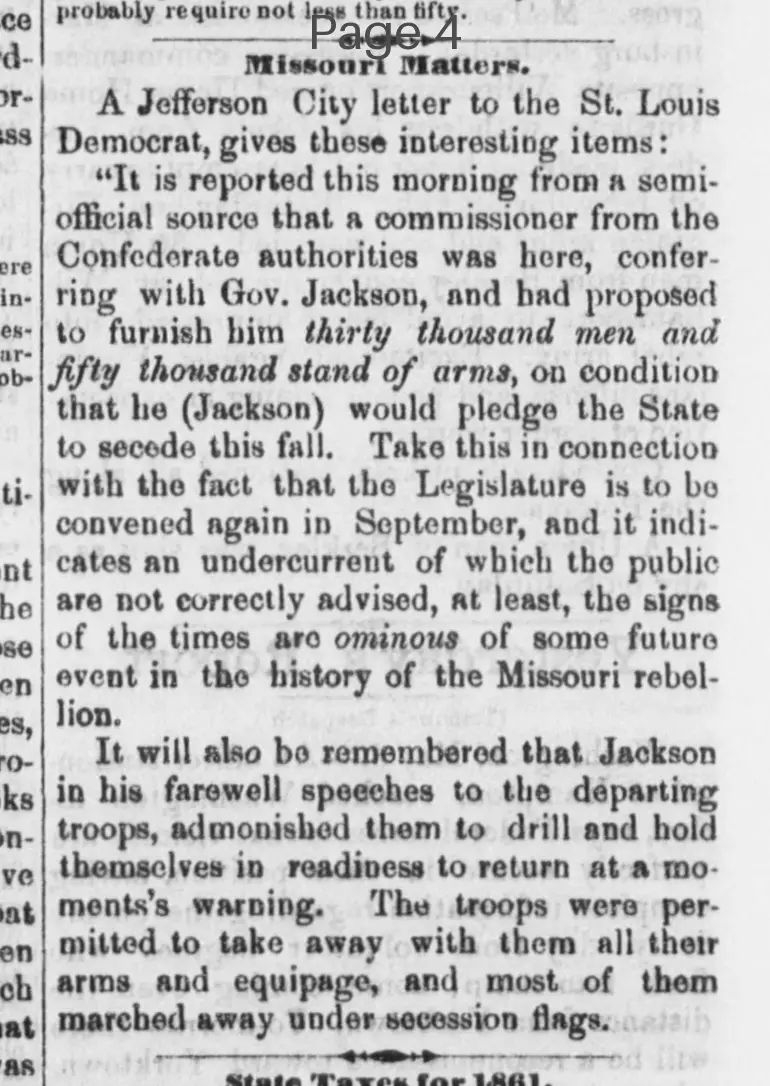
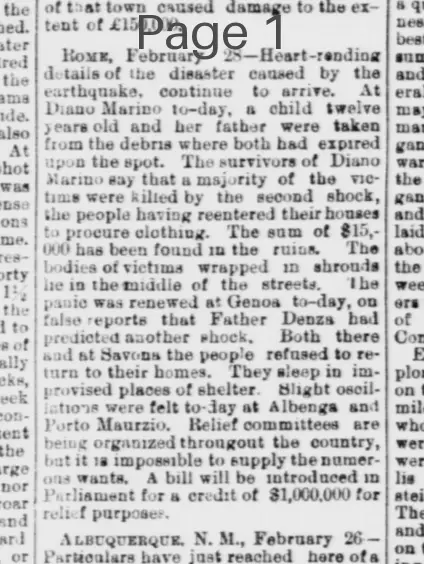
At SNEWPapers we set out to do something that sounds simple, but is actually unprecedented: correctly extract historical newspaper content for entire issues at the individual component level. The same way someone ages ago might have cut out an article with scissors to save for later, except millions and millions of times over entire newspaper issues.

We have built the most accurate extraction pipeline for historical newspaper images that the world has ever seen. When we say most accurate, what we mean is the most correctly segmented and highest text quality. Correctly segmented means we have identified individual components on a page or across pages in an issue as being one thing.

We can prove it three ways. First, we are in the process of extracting the entirety of the Library of Congress' Chronicling America data, which is roughly 25 million pages of historical newspapers spanning about 230 years with every conceivable layout and quality (preservation and scan) imaginable. You can follow our progress on that here. Second, here is a comparison of SNEWPapers' extraction versus American Stories, another attempt by some researchers at Harvard in 2023. Third, we are building the most advanced AI Research Tools (and possibly the first ever for this type of data) for you to dive into the data. Here's how to connect ChatGPT, Gemini, Claude or Grok to our data, and here's an example of a type of conversation you could have with ChatGPT using our data. This is possibly the best and most fun way to do it. Rather than reading stats and tables, just dive in and explore the data firsthand.

We have gone way beyond segmentation though, categorizing each component into a vast taxonomy of 32 top level labels (like domestic news, editorials, poems, stories, letters to the editor), more than a thousand sub-types within those, themes for some types, summary and custom metadata extracts for each individual label. Examples of these are included below.

From a practical standpoint, what this means is that researchers, historians, and enthusiasts can now access highly structured and accurate data from historical newspapers, slicing and dicing their way through what used to be highly inaccessible data, in an orders-of-magnitude reduction in time.

Nobody in the world has crunched this data quite like SNEWPapers.

A newspaper is an issue, not a page

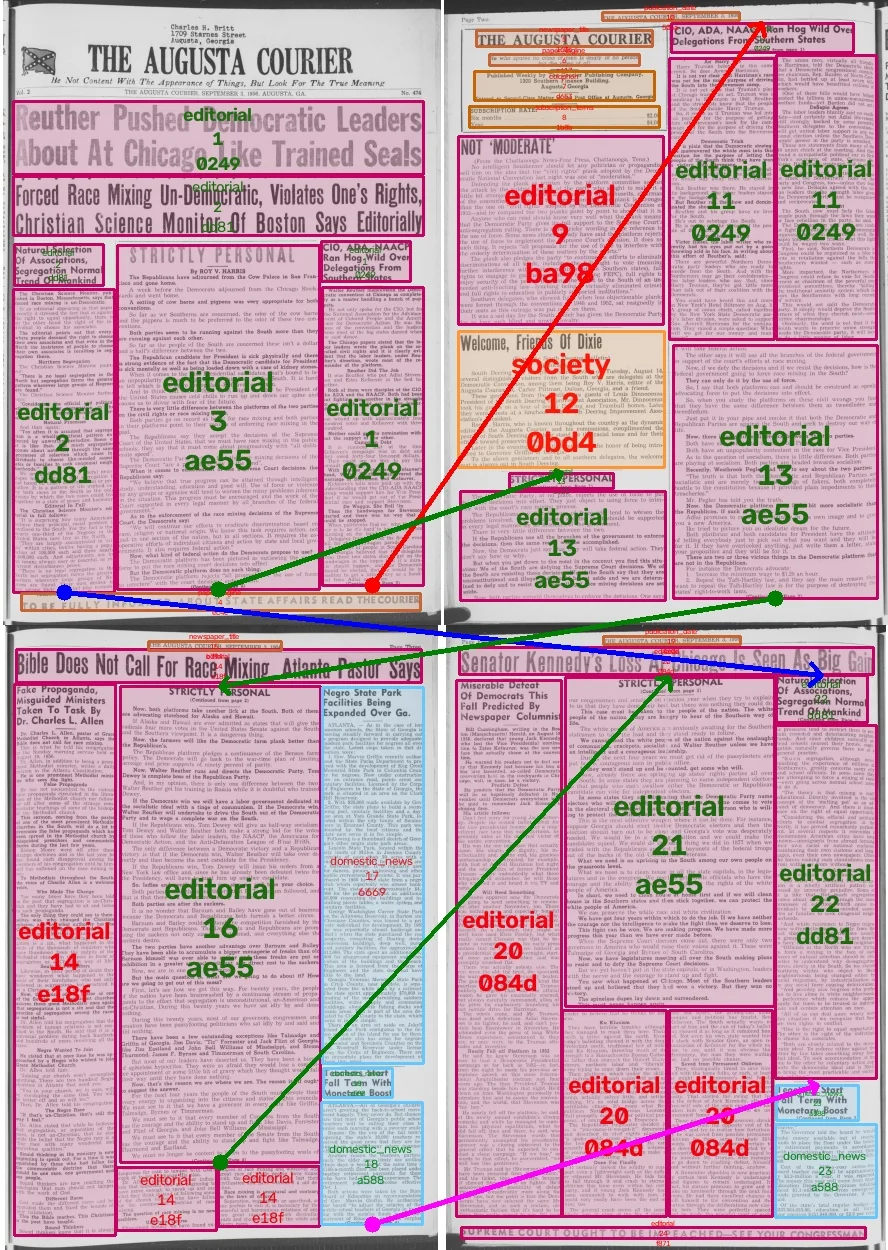
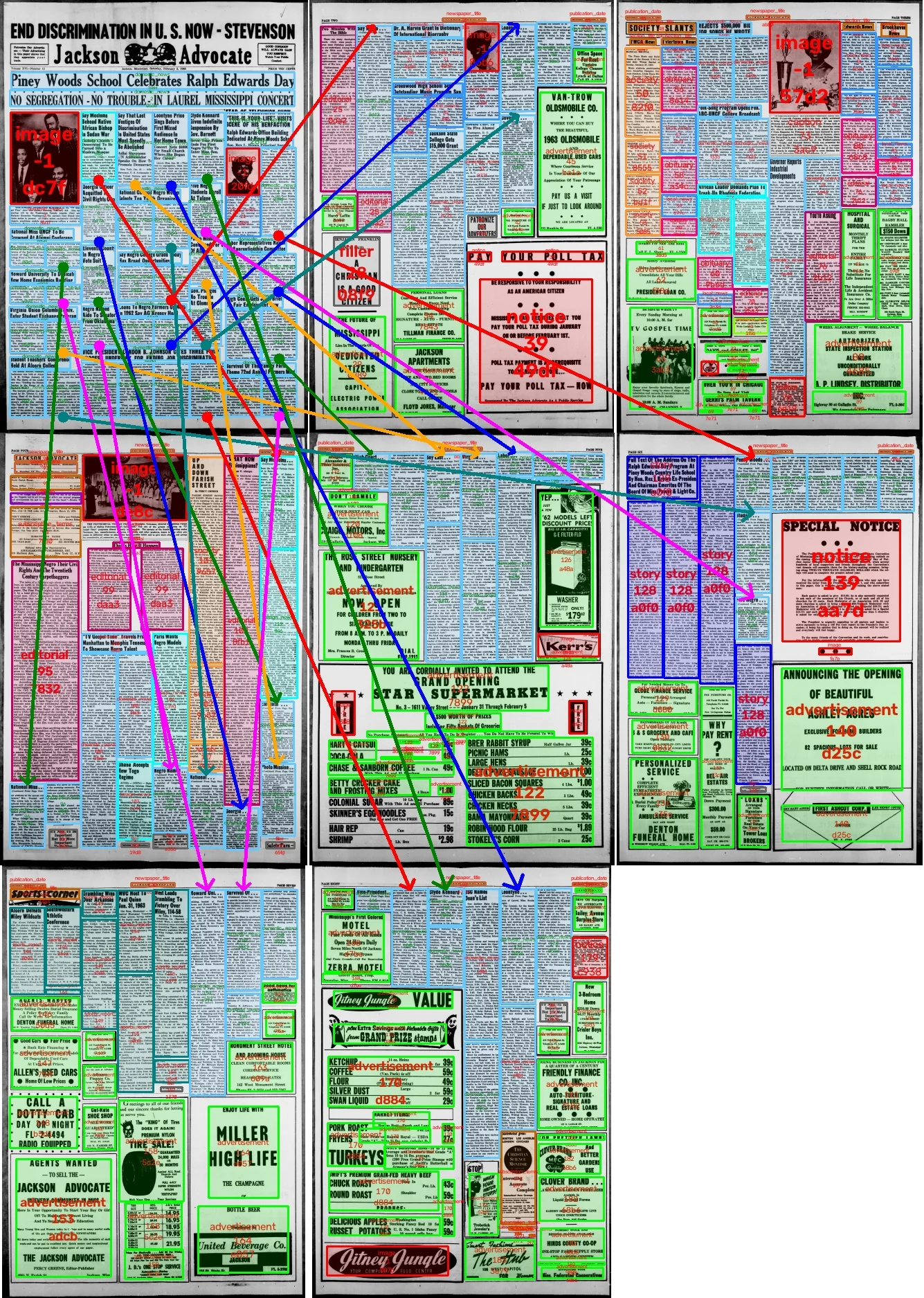
Most archives treat each page as a document of its own. But a newspaper was printed and read as an issue: a front-page story jumps to page three, a column of news runs on across the fold, a letter carries on overleaf. We process the whole issue at once, so the pieces of one story come back to you as one article. SNEWPaers makes all these connections. Something that surprised us was how often components actually span across issues themselves, not just the pages. From serialized literature, to senate or house proceedings, editorials and more. We're working on that too, stay tuned!

The Augusta Courier, September 3, 1956: components that continue across pages (and columns for some), each arrow joining one component's pieces
Jackson Advocate, February 2, 1963: front-page stories continued on the inside pages, each arrow joining one component's pieces

Getting the cut right

Cutting a page into its articles is so critically important to us, and where the vast majority of our R&D focuses. It's the step everything else depends on. Getting it wrong means:

  • a search hands you half a story, or three stories run together, or an advertisement glued to the end of the news.
  • that we can't correctly categorize things into our taxonomy, since we don't have a solitary component
  • you can't discover content by meaning (semantically) because the articles are fragmented and mixed with unrelated content.
  • the overall quality and reliability of the dataset suffers, as errors propagate through all subsequent analyses.
  • wasted effort, as researchers and analysts have to spend extra time cleaning and correcting the data.

We compared ourselves with American Stories, the largest prior segmentation attempt on Chronicling America right here.

about 30%

of American Stories articles are estimated to be segmented incorrectly by our analysis, and about 1% for SNEWPapers. That's roughly 100 million components across their dataset.

roughly 35%

of everything we cut from the pages is advertising. We separate it out, so it never crowds your results. We aren't exposing this data yet, as we think it deserves its own dedicated search system, but just to give you a sense of scale.

Why correct segmentation matters when you search

Say you want some relevant documents about Benjamin Franklin’s lightning experiments.

On a keyword archive

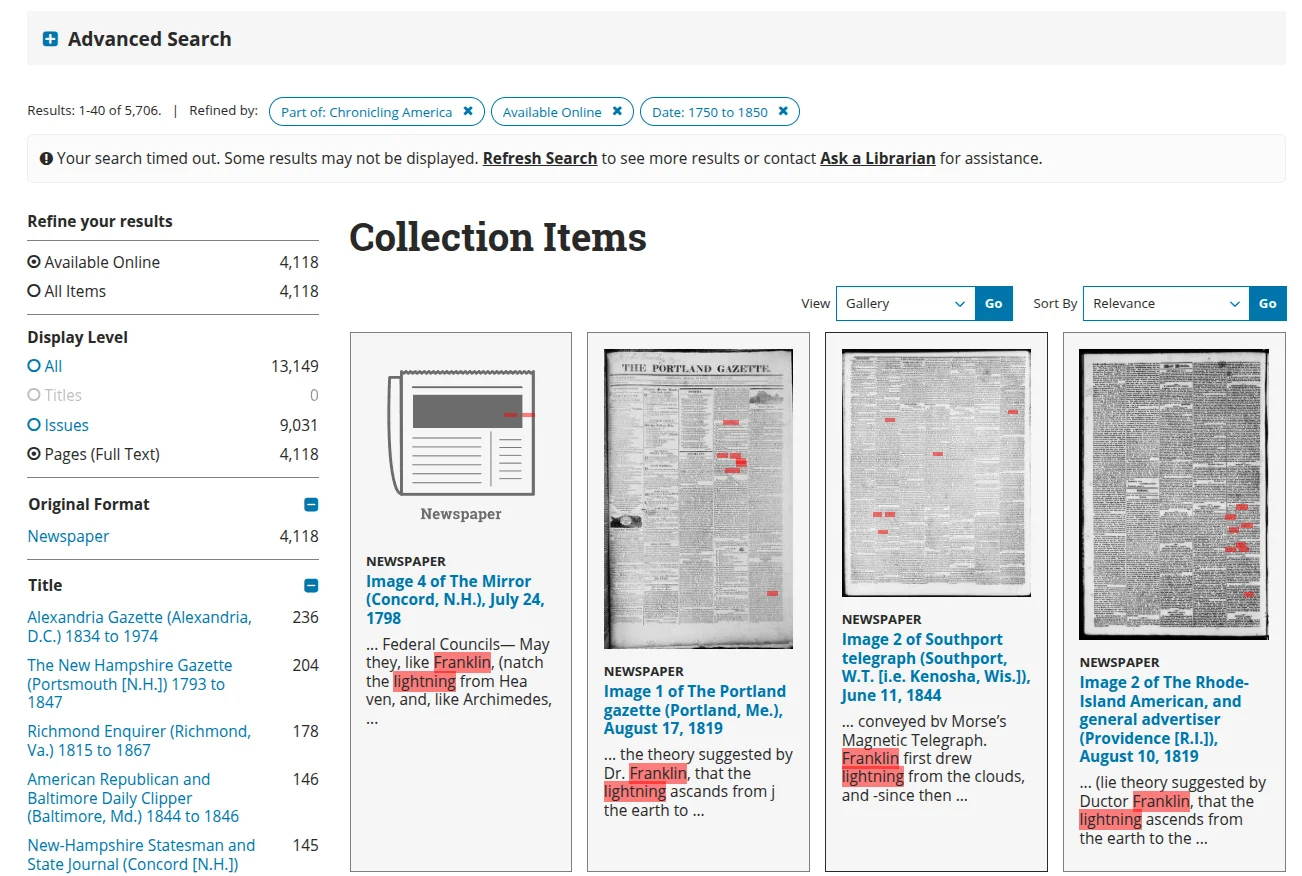
Here's a link that will search the Library of Congress’ site for franklin lightning, 1750–1850. If you're lucky and it doesn't time out, you'll be faced with more than 4,000 pages of results, each one a whole page to open and read through, and no way to tell which are worth reading:

Chronicling America search for franklin lightning, 1750 to 1850: the search timed out, showing 4,118 pages

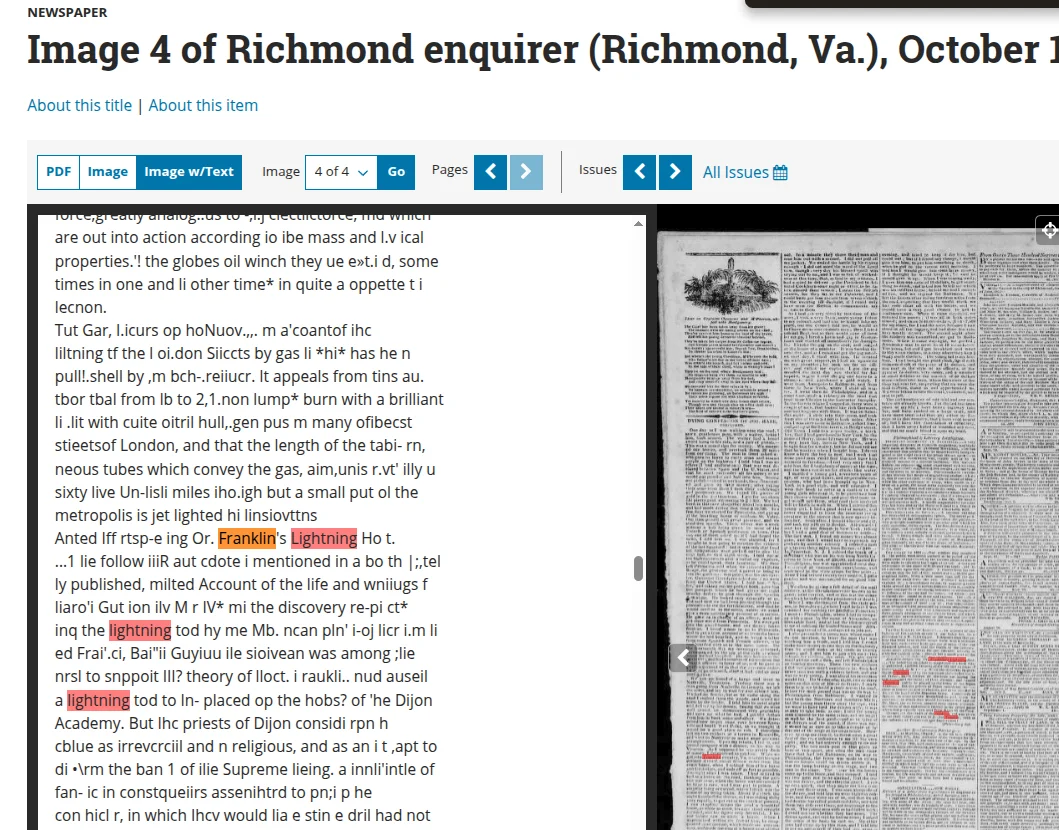
Each hit is a whole page with both words on it somewhere. “Franklin” might be a ship, a street or a county, and “lightning” might be in another story altogether. The only way to find out is to open every page and read it, through text like this, from the Richmond Enquirer of October 13, 1818:

The Richmond Enquirer, October 13, 1818, on Chronicling America: Franklin and Lightning are highlighted in otherwise garbled OCR text

A lot of the extracted text from these pages is garbled or irrelevant, making it difficult to quickly find the information you need. You have to download the page, find the area, read and transcribe the content manually.

Research on SNEWPapers

In SNEWPapers you don't search, you research. And you do that by having a conversation with your AI. When you connect your favorite tool, be it ChatGPT, Claude, Gemini or Grok, you have an AI assistant that is connected directly to our data, and knows how to navigate it effectively for you.

With your AI connected to SNEWPapers you might ask:

Find me the top 5 most relevant articles that mention the Ben Franklin lightning experiments anywhere from 1750-1820

It will come back with something like:

  1. 1. The National Intelligencer and Washington Advertiser — 7 Nov 1800 · Literary

    A substantial biography of Benjamin Franklin covering his early life, scientific investigations and electrical discoveries. The full text discusses his electrical experiments, including the kite, and the development of lightning protection. The closest direct match.

    Read it →
  2. 2. The Virginia Gazette — 27 Oct 1752 · Foreign news

    A remarkably early report describing experiments in France by Dalibard and de Lor, who followed Franklin's proposals and demonstrated that electrical charge could be drawn from thunderclouds using elevated iron rods. Published in the same year as Franklin's kite experiment, it provides direct contemporary evidence of his electrical theory being tested internationally. Related experiment, not the kite itself.

    Read it →
  3. 3. The New-Hampshire Gazette and Historical Chronicle — 15 Jul 1768 · Letter to the editor

    A detailed scientific explanation by Professor John Winthrop of Franklin's theory that lightning and electricity are the same phenomenon. It describes a violent thunderstorm at Harvard, the damage to Hollis Hall, and how lightning conductors protected other buildings. Strong evidence of the practical application of Franklin's discoveries.

    Read it →
  4. 4. The New Hampshire Gazette — 8 Jul 1757 · Letter to the editor

    Following a fatal lightning strike, a correspondent reproduces Franklin's advice about the dangers of sheltering beneath trees during thunderstorms. The passage explains electrical clouds and the behavior of lightning. An early example of Franklin's electrical research influencing public safety advice.

    Read it →
  5. 5. Gazette of the United-States — 11 Sep 1790 · Literary / Biography

    A biographical tribute published shortly after Franklin's death, examining his achievements as a scientist and statesman. It credits his investigations of electricity and the development of lightning conductors as major contributions to science. Useful for understanding his scientific reputation, rather than the experiment's details.

    Read it →

Every article, read and filed

Every article gets a label from a taxonomy of a few dozen types, from news, editorials and letters to poems, obituaries, recipes, runaway notices and shipping lists. Each label has its own extraction: the details a researcher would want from that kind of item. Here are a few, with their fields exactly as extracted.

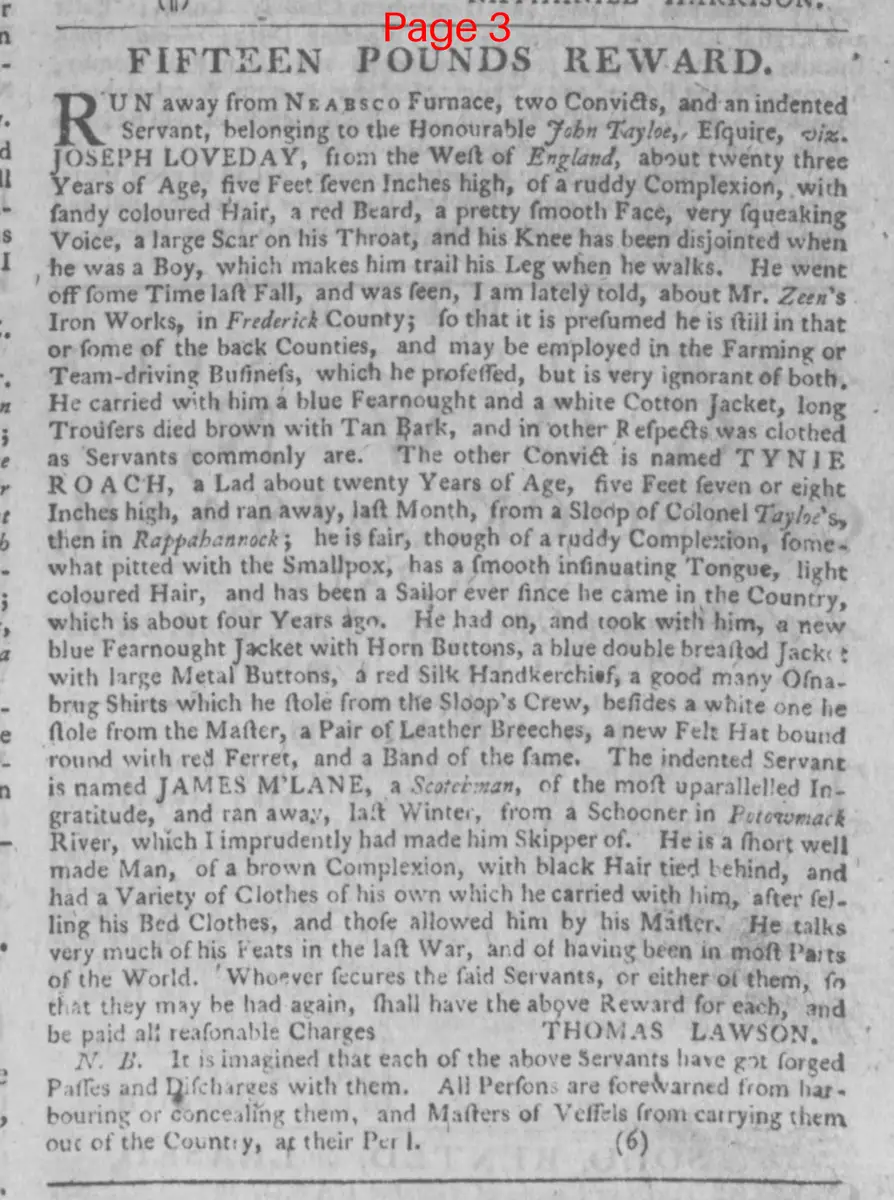
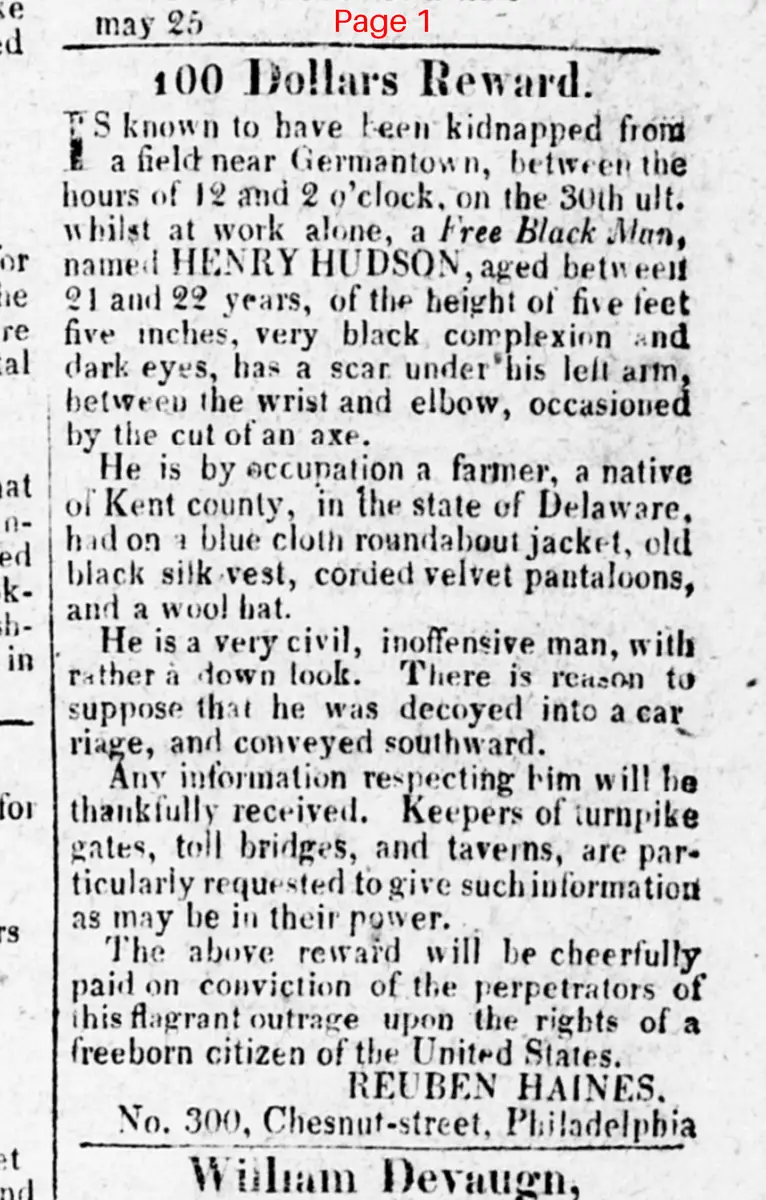
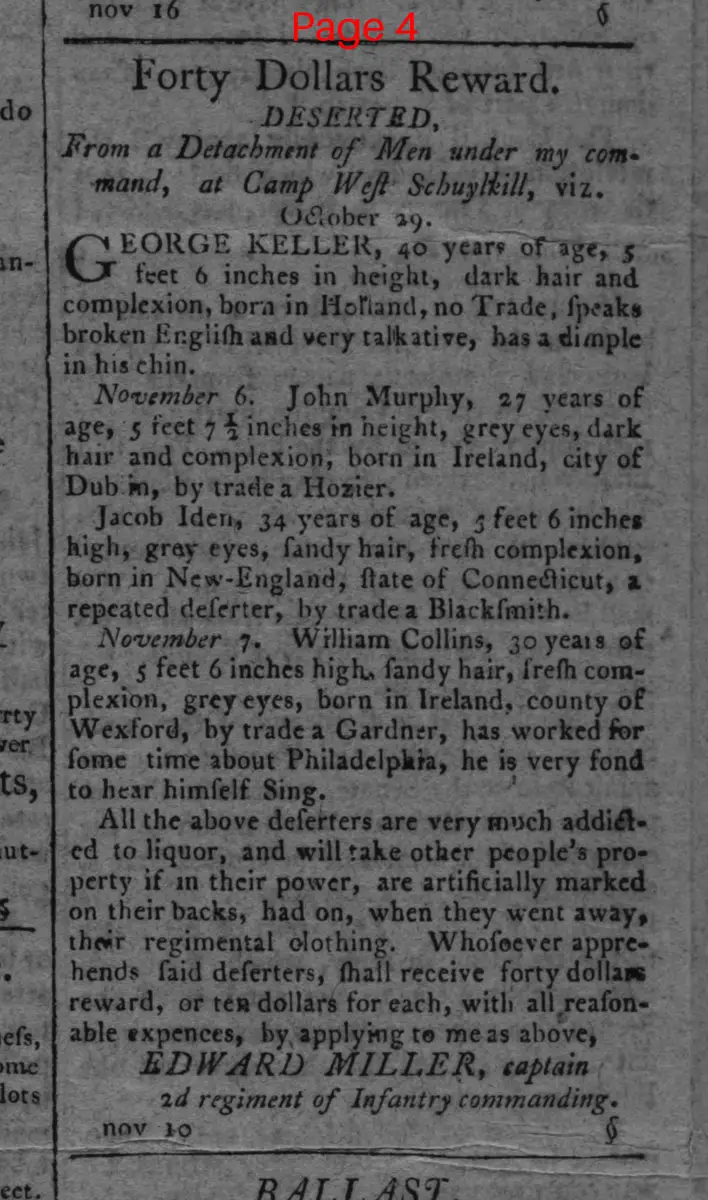
Runaway, The Virginia Gazette, July 29, 1773

Runaway

The Virginia Gazette · July 29, 1773

Thomas Lawson, for John Tayloe's servants at Neabsco Furnace, offers fifteen pounds each for three absconded men: convicts Joseph Loveday and Tynie Roach, and indentured Scotsman James M'Lane.

Name
Joseph Loveday
Age
About twenty three Years of Age
Clothing taken
  • Blue Fearnought and a white Cotton Jacket
  • Long Trousers dyed brown with Tan Bark
Complexion
Ruddy
Hair and eyes
Sandy coloured Hair, a red Beard
Height
Five Feet seven Inches high
Owner location
Neabsco Furnace
Owner or subscriber
Thomas Lawson
Physical marks
  • Large Scar on his Throat
  • His Knee has been disjointed when he was a Boy, which makes him trail his Leg when he walks
Reward amount
FIFTEEN POUNDS
Reward notes
For each, and paid all reasonable Charges
Runaway date
Some Time last Fall
Skills or trade
Professed Farming and Team-driving, but very ignorant of both
Speech or accent
Very squeaking Voice
Status
Convict from the West of England
Suspected destination
About Mr. Zane's Iron Works, in Frederick County; presumed still in that or some of the back Counties
Warnings
All Persons are forewarned from harbouring or concealing them, and Masters of Vessels from carrying them out of the Country, at their Peril. It is imagined that each of the above Servants have got forged Passes and Discharges with them.
Read it in the archive →

Example 1 of 3

Beneath the labels

A label is only the first layer. Every article also carries sub-types (more than a thousand across the taxonomy) and keywords, and because they are data rather than words on a page, they can be counted. Say you ask your AI:

Find domestic news from the 1800s that mentions a murder with an axe or a hatchet, and break it down by decade, sub-type and keyword.

At the time of this writing (our data is growing daily), it finds 668 stories among the 647,341 domestic news items we have from that century, and without reading a single one, it can tell you this:

Axe and hatchet murders per 100,000 domestic news items, by decade
0 100 200 300 1800s: 157 per 100,000 (31 stories) 1800s 1810s: 62 per 100,000 (21 stories) 1820s: 145 per 100,000 (56 stories) 1820s 1830s: 210 per 100,000 (110 stories) 1840s: 186 per 100,000 (102 stories) 1840s 1850s: 107 per 100,000 (68 stories) 1860s: 46 per 100,000 (41 stories) 1860s 1870s: 93 per 100,000 (75 stories) 1880s: 79 per 100,000 (82 stories) 1880s 1890s: 74 per 100,000 (82 stories) 210

From the 1850s on, the raw count stays between 41 and 82 a decade, even as the news we hold from each decade nearly doubles. As a share of the news, these stories peak in the 1830s and fall nearly three times by the 1890s.

Show data
Per 100,000Stories
1800s15731
1810s6221
1820s14556
1830s210110
1840s186102
1850s10768
1860s4641
1870s9375
1880s7982
1890s7482
Sub-types
Crime
647
Death or funeral
399
Legal or court
138
Execution
45
Slave related
39
Riot or protest
21
Fire
15
Indian affairs
11
Politics
11
Military
10

Nearly every story is a crime, three in five are also a death or funeral, and a fifth are court reports: the trials that followed.

Keywords, beyond the weapon
Suicide
35
Robbery
31
Murder trial
28
Execution
27
Attempted murder
23
Confession
23
Axe attack
19
Lynching
19
Inquest
17
Axe killing
15
Domestic violence
15
Arson
15

Suicide, robbery, confessions, lynching, domestic violence and arson travel with the weapon. And one spelling isn’t enough: 61 of these stories say only β€œax”, the 1893 trial of Lizzie Borden among them.
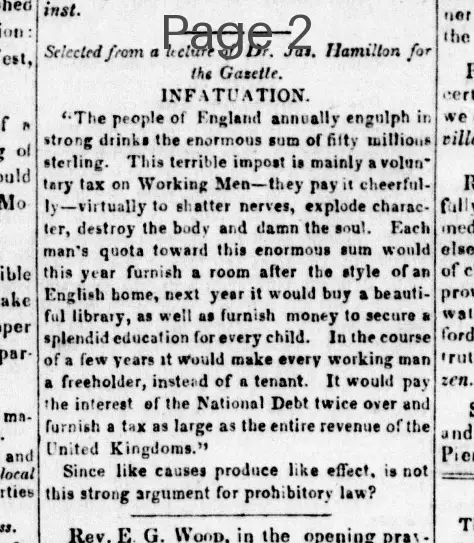
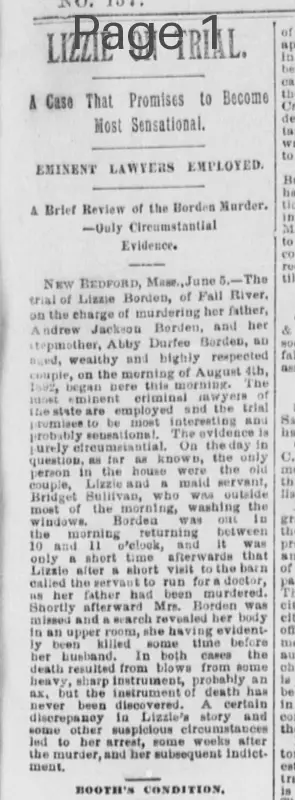
Deseret Evening News, June 5, 1893: the trial of Lizzie Borden

Lizzie Borden, 1893

Deseret Evening News · June 5, 1893

The trial of Lizzie Borden of Fall River for murdering her father Andrew Jackson Borden and stepmother Abby Durfee Borden on August 4, 1892, opened at New Bedford with eminent lawyers; the evidence is purely circumstantial.
It’s one of the 61 stories that only a search for “ax” finds.

A week after the verdict, the San Antonio Daily Light reprinted the Galveston Tribune: “Not guilty,” said the jury, and she “goes forth a free and exonerated woman.” Read it →

Read the trial report →

79%

of these stories carry a caution flag (as in text that might offend some readers)

5.4%

of all domestic news does

A few more of the stories

  • The New Hampshire Gazette — February 26, 1800

    Colonel John Sheppard was murdered by his brother, who struck him on the head with an axe at the house of Robert White, Esq. in Glasgow county; both brothers were intoxicated.

    Read it →
  • Virginia Free Press & Farmers' Repository — April 21, 1830

    John Richardson murdered his wife with an axe in Covington County, Indiana; he confessed and was jailed awaiting trial.

    Read it →
  • Butte Record — October 21, 1854

    Harlow killed Smith with an axe while cutting logs on Rabbit Creek, concealed the body, and escaped; $500 reward offered for his capture.

    Read it →
  • The Wheeling Daily Register — December 26, 1870

    Lorenzo D. Saratt murdered his father-in-law James C. Tallman with an axe in Callamer, N.Y., then hanged himself; the two had quarreled over property for years.

    Read it →
  • Wichita Daily Eagle — September 25, 1885

    Leander Baker, a young farmer south of Brainerd, was struck on the head with an ax and robbed of about $75 while returning from town; he was found unconscious and his injuries are feared mortal. No clue.

    Read it →

This is only scratching the surface. The best way to dive into our data is to connect your AI tool to SNEWPapers and ask it:

What is the SNEWPapers connector capable of?

There’s also a longer example here: the Johnstown Flood of 1889 →

Do we get it right every time?

Absolutely not! But we’re getting better every day 💪 and we think you’ll be pleasantly surprised by how often we do.

And we tell you when we haven’t

  • Quality tiers. Every article is graded green, yellow or red on how well its text was read, and you (or your AI) can ask for green only.
  • Caution flags. Violent, graphic or offensive period material is flagged, not removed.
  • Spelling as printed. We keep the papers’ own spelling and capitals. The only thing we modernise is the long s (ſ), which is hard to read.
  • The original is a click away. Every article links to its page scan at the Library of Congress.

Follow our blog for interesting research and demonstrations of the SNEWPapers tools

More on the blog β†’

Start exploring

Sign up, connect your AI to SNEWPapers, and ask it what it can find.

Are you sure?