Thank you for visiting SNEWPapers!
Sign up free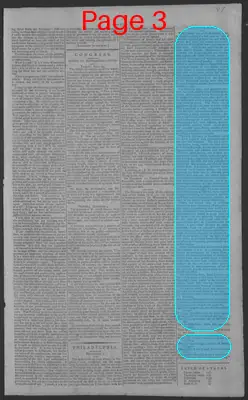
Literary
December 5, 1792
National Gazette
Philadelphia, Philadelphia County, Pennsylvania
What is this article about?
Descriptive account of Cat-Island (Guahani) in the Bahamas, site of Columbus's first American landing in 1492. Details its geography, barren landscape, wildlife, ruins, and fishing. Speculates on landing site and suggests a monument. Ends with Dryden's poem depicting an Indian's awe at the European ships.
Clipping

OCR Quality
95%
Excellent
Full Text
CAT-ISLAND.
THIS island, one of the Bahamas, is remarkable as being the first land on which Columbus set foot in America, and where, for the first time, the nations of two distant parts of the globe were introduced to each other. Cat-Island, called by the ancient native Indians GUAHANANI, lies between the twenty-fourth and twenty-fifth degrees of north latitude, and in about the 76th degree of western longitude from the meridian of London. Such travellers as visit Providence, frequently take a trip from thence to Cat-Island, ninety miles distant, to gratify curiosity, and feast their eyes with a scene, which tho’ otherwise unimportant, commands every token of enthusiastic respect from the memory of the illustrious marine hero that first dropt a European anchor here three hundred years ago.
Cat-Island is long, and generally narrow, the most easterly of the northern Bahamas, and lies clear of the Bahama Bank. In length it is about forty-three miles, seven in breadth on an average, and extends from north to south. The shores are in most parts faced with reefs of sharp rocks lying about half a mile, frequently less, from the land, and on the western side extending to a much greater distance. Between these reefs and within them there is good anchorage on a sandy bottom, and the landing is not very difficult, particularly on the western shore; except there has recently been strong northwesterly gales, a circumstance not so common here as in higher northern latitudes.
This first discovery of Guanihani could not have inspired very elevated hopes in the crew of Columbus. The soil is generally barren, being a loose dry sand covered with small woods, in some places almost impenetrable, and infested with millions of lizards, some guanas, and several species of land-crabs, which, with a few goats and wild hogs, might have been justly denominated the lords and sole possessors of the soil till the pirates, and latterly some settlers from Providence, planted themselves on these barren shores. In other places of the island there is tolerable good timber, and towards the centre several small woody hills that have not an unpleasant appearance from the sea; but in approaching these you are not unfrequently interrupted with salt-ponds and inundated thickets of brushwood. To make amends for the barrenness of the soil, there is good fishing and turtling on the coasts, and this must have been the principal resource, for food, of the ancient Indian inhabitants.
There are several ruins of buildings here which show something of antiquity—they appear to have been rude walled edifices, constructed from broken rocks and a soft white stone found in many parts of the island; and are generally supposed to be the ruins of chapels and other structures erected here by Columbus and his crews. I am rather inclined to think, however, from an attentive inspection some years ago, that they are either the remains of Indian antiquity, or of forts, &c. built by the pirates; tho’ the latter is not very likely, as it is well known the principal resort of the pirates, or buccaneers was at Providence.
Altho’ Columbus first discovered it from the eastward, it is to be presumed, from several circumstances, he landed from a bay on the southwestern part of the island. Future times may possibly deem it worth their while to erect some conspicuous monument on this, or some other part of Guanihani, in commemoration of one of the greatest events that perhaps ever the world witnessed.
The following lines, from Dryden, are finely descriptive of the ideas that may be supposed to have passed in the mind of an Indian, upon first viewing Columbus’s squadron from the shores of Guanihani:
"I went in order, sir, to your command,
To view the utmost limits of the land;
To that rude coast, where no more world is found,
But foaming surges beat upon the ground:
There for a while my eyes no object met
But distant skies that in the ocean set,
And low-hung clouds, that dipt themselves in rain
To shake their fleeces on the earth again:
At last, as far as I could cast my eyes,
Something, methought, did on the billows rise
Like blackish pots, which till approaching more
Took dreadful forms, and mov’d toward the shore;
The objects I could first distinctly view,
Were tall, straight trees that on the waters flew,
Wings on their boughs, instead of leaves, did grow,
That gather’d every blast the winds could blow,
And at their feet full many a palace lay
Guided by men that sail’d the watry way."
THIS island, one of the Bahamas, is remarkable as being the first land on which Columbus set foot in America, and where, for the first time, the nations of two distant parts of the globe were introduced to each other. Cat-Island, called by the ancient native Indians GUAHANANI, lies between the twenty-fourth and twenty-fifth degrees of north latitude, and in about the 76th degree of western longitude from the meridian of London. Such travellers as visit Providence, frequently take a trip from thence to Cat-Island, ninety miles distant, to gratify curiosity, and feast their eyes with a scene, which tho’ otherwise unimportant, commands every token of enthusiastic respect from the memory of the illustrious marine hero that first dropt a European anchor here three hundred years ago.
Cat-Island is long, and generally narrow, the most easterly of the northern Bahamas, and lies clear of the Bahama Bank. In length it is about forty-three miles, seven in breadth on an average, and extends from north to south. The shores are in most parts faced with reefs of sharp rocks lying about half a mile, frequently less, from the land, and on the western side extending to a much greater distance. Between these reefs and within them there is good anchorage on a sandy bottom, and the landing is not very difficult, particularly on the western shore; except there has recently been strong northwesterly gales, a circumstance not so common here as in higher northern latitudes.
This first discovery of Guanihani could not have inspired very elevated hopes in the crew of Columbus. The soil is generally barren, being a loose dry sand covered with small woods, in some places almost impenetrable, and infested with millions of lizards, some guanas, and several species of land-crabs, which, with a few goats and wild hogs, might have been justly denominated the lords and sole possessors of the soil till the pirates, and latterly some settlers from Providence, planted themselves on these barren shores. In other places of the island there is tolerable good timber, and towards the centre several small woody hills that have not an unpleasant appearance from the sea; but in approaching these you are not unfrequently interrupted with salt-ponds and inundated thickets of brushwood. To make amends for the barrenness of the soil, there is good fishing and turtling on the coasts, and this must have been the principal resource, for food, of the ancient Indian inhabitants.
There are several ruins of buildings here which show something of antiquity—they appear to have been rude walled edifices, constructed from broken rocks and a soft white stone found in many parts of the island; and are generally supposed to be the ruins of chapels and other structures erected here by Columbus and his crews. I am rather inclined to think, however, from an attentive inspection some years ago, that they are either the remains of Indian antiquity, or of forts, &c. built by the pirates; tho’ the latter is not very likely, as it is well known the principal resort of the pirates, or buccaneers was at Providence.
Altho’ Columbus first discovered it from the eastward, it is to be presumed, from several circumstances, he landed from a bay on the southwestern part of the island. Future times may possibly deem it worth their while to erect some conspicuous monument on this, or some other part of Guanihani, in commemoration of one of the greatest events that perhaps ever the world witnessed.
The following lines, from Dryden, are finely descriptive of the ideas that may be supposed to have passed in the mind of an Indian, upon first viewing Columbus’s squadron from the shores of Guanihani:
"I went in order, sir, to your command,
To view the utmost limits of the land;
To that rude coast, where no more world is found,
But foaming surges beat upon the ground:
There for a while my eyes no object met
But distant skies that in the ocean set,
And low-hung clouds, that dipt themselves in rain
To shake their fleeces on the earth again:
At last, as far as I could cast my eyes,
Something, methought, did on the billows rise
Like blackish pots, which till approaching more
Took dreadful forms, and mov’d toward the shore;
The objects I could first distinctly view,
Were tall, straight trees that on the waters flew,
Wings on their boughs, instead of leaves, did grow,
That gather’d every blast the winds could blow,
And at their feet full many a palace lay
Guided by men that sail’d the watry way."
What sub-type of article is it?
Essay
Poem
What themes does it cover?
Nature
Political
What keywords are associated?
Cat Island
Guahani
Columbus
Bahamas
Discovery
Dryden Poem
First Contact
Island Description
Literary Details
Title
Cat Island.
Subject
Description Of Cat Island And Columbus's First Landing
Form / Style
Descriptive Prose Essay With Quoted Poetic Excerpt
Key Lines
"I Went In Order, Sir, To Your Command,
To View The Utmost Limits Of The Land;
To That Rude Coast, Where No More World Is Found,
But Foaming Surges Beat Upon The Ground:"
"Something, Methought, Did On The Billows Rise
Like Blackish Pots, Which Till Approaching More
Took Dreadful Forms, And Mov’d Toward The Shore;"
"Were Tall, Straight Trees That On The Waters Flew,
Wings On Their Boughs, Instead Of Leaves, Did Grow,
That Gather’d Every Blast The Winds Could Blow,"