Thank you for visiting SNEWPapers!
Sign up free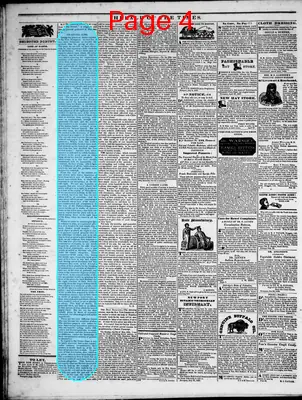
Editorial
May 10, 1838
Herald Of The Times
Newport, Newport County, Rhode Island
What is this article about?
Reprinted from 'The Friend,' this editorial explores the New Testament emphasis on alms-giving as a core Christian duty, stressing genuine, discerning charity over selfish or ostentatious acts, and distinguishing aid for true paupers versus the modestly struggling.
Clipping

OCR Quality
95%
Excellent
Full Text
The following selection we copy
from "The Friend," a religious and
literary journal published in Philadelphia.
ON GIVING ALMS.
Among the practical duties enjoined
in the New Testament, we find few, if
any, more frequently or forcibly im-
pressed, than the giving of alms.—
The poor, we are told, we have always
with us, and experience fully confirms
the declaration. Hence there must al-
ways be objects upon whom the virtue
of charity may be exercised. Our Sa-
vior, when reproving the superstitious
formality of the pharisees, as manifest-
ed by their needless washings, enjoined
them to give alms of such things as they
had, and behold all things were clean
unto them. Connected with the sol-
emn admonition to his disciples, to seek
the kingdom of God, and rely on divine
protection in regard to the necessary
supplies for their physical wants, is en-
joined the duty of giving alms. Cor-
nelius is described as a devout man,
who feared God with all his house, gave
much alms to the people, and prayed to
God always. When visited by an
heavenly messenger, he was assured
that his alms, as well as his prayers,
were come up for a memorial before
God. The account which is given us
of Dorcas, her good works, her alms
deeds, and of the lamentation of the
widows upon her death, is particularly
beautiful and pathetic. In the descrip-
tion which our Lord has given us of the
final judgment of the righteous and the
wicked we find the care of the former
to administer to the wants of those who
were in distress, from poverty, sick-
ness, or imprisonment, brought con-
spicuously into view, and the service
thus rendered to the meanest members
of the human family, accepted as ren-
dered to the Saviour himself. But on
the other hand, the selfish disregard of
the wicked to the distresses of others,
is charged as a neglect of the Master.
The Apostle John explains this passage
without referring to it, in that pointed
question; Whoso hath this world's
goods and seeth his brother have need,
and shutteth up his bowels of compas-
sion from him, how dwelleth the love
of God in him? And this love, whose
absence is indicated by selfish hardness
of heart, is the great point on which
hang all the law and the prophets. In
other words, it is this love, steadily
maintained, with its inseparable con-
comitant, the love of man, which leads
to a fulfilment of all the righteousness
which the law and the prophets were
designed to establish.
From this view of the subject, we
may clearly infer, that a disposition of
heart from which acts of charity and
mercy unavoidably flow, is absolutely
requisite to our acceptance in the Di-
vine sight. We are not, however, to
suppose, that acts even of charity and
mercy will give us a right, by purchase
to a seat in the region of blessedness.
If we are saved it is owing to the mer-
cy of God, but if we are lost, our per-
dition will be of ourselves. And the
man whose affections are concentrated
on himself, whose love of the world is
not counteracted and overpowered by
the love of the Father—whose faith
never breaks out in works of benevo-
lence to his fellow man,—has little rea-
son to expect that his place will be al-
lotted among those on the right hand
of the King, when he comes in all his
glory.
When we come to examine our duty
in relation to alms, as a practical ques-
tion, it is found to be less simple than a
hasty thinker would imagine. The
great object at which we ought to aim,
is to preserve a mind properly alive to
the sufferings of others, and to be wil-
ling to bear as great a part of their bur-
dens, as our religious duty requires.—
The man who gives his money, without
examination or inquiry, to any sturdy
beggar he meets, for the sake of get-
ting clear of importunity, acts a part
nearly as selfish as the man who with-
holds his charity altogether. Those
conquerors of the earth, who, during
the middle ages, frequently spent great
part of their lives in war and rapine,
and, having spread desolation and ruin
wherever they went, at last devoted a
portion of their plunder to the founding
of monasteries or erection of churches,
have not, in the view of posterity, any
claim to the character of givers of alms.
And those, in the common walks of life,
who accumulate wealth by grinding the
faces of the poor—by hard dealing—by
the rigid exaction of their dues—by
pressing down the wages of those whom
they employ to a minimum grade—and
by all the arts of a selfish and exclusive
policy; and afterwards devote a portion
of the wealth thus acquired to works of
ostentatious charity, have as little claim
to deeds of genuine benevolence, as
those men of plunder and blood—though
their conduct, indeed, is not so glaring-
ly odious. This kind of charity, we
generally allow, has little or no affinity
to that species of alms which the sacred
pages enjoin. But are not the alms
usually given by those of reputable
character, too often mingled with selfish
ingredients?
There are two very different classes
who may become the receivers of alms.
The absolute paupers, who rather ex-
pose than conceal necessities, and those
who are honestly toiling, under diffi-
culties and discouragements, to supply
their own wants, and who, from modesty
or diffidence, confine the knowledge of
their circumstances as much as possible
to themselves.
In regard to the former class, it may
be justly observed, that in this country,
under ordinary circumstances, their
number is mostly made up of the vic-
tims of intemperance or sloth. To per-
sons of that description, alms, careless-
ly given, often do more harm than good.
The conclusion is then at hand, that we
had best withhold our bounty from such
persons altogether. This, however, is
not exactly what our Saviour inculcated,
when he held up the example of our
heavenly Father, who maketh his sun
to rise on the evil and on the good, and
sendeth rain upon the just and on the
unjust. In this case, the wants to be
relieved, are not merely physical.—
They are deeper, and are more diffi-
from "The Friend," a religious and
literary journal published in Philadelphia.
ON GIVING ALMS.
Among the practical duties enjoined
in the New Testament, we find few, if
any, more frequently or forcibly im-
pressed, than the giving of alms.—
The poor, we are told, we have always
with us, and experience fully confirms
the declaration. Hence there must al-
ways be objects upon whom the virtue
of charity may be exercised. Our Sa-
vior, when reproving the superstitious
formality of the pharisees, as manifest-
ed by their needless washings, enjoined
them to give alms of such things as they
had, and behold all things were clean
unto them. Connected with the sol-
emn admonition to his disciples, to seek
the kingdom of God, and rely on divine
protection in regard to the necessary
supplies for their physical wants, is en-
joined the duty of giving alms. Cor-
nelius is described as a devout man,
who feared God with all his house, gave
much alms to the people, and prayed to
God always. When visited by an
heavenly messenger, he was assured
that his alms, as well as his prayers,
were come up for a memorial before
God. The account which is given us
of Dorcas, her good works, her alms
deeds, and of the lamentation of the
widows upon her death, is particularly
beautiful and pathetic. In the descrip-
tion which our Lord has given us of the
final judgment of the righteous and the
wicked we find the care of the former
to administer to the wants of those who
were in distress, from poverty, sick-
ness, or imprisonment, brought con-
spicuously into view, and the service
thus rendered to the meanest members
of the human family, accepted as ren-
dered to the Saviour himself. But on
the other hand, the selfish disregard of
the wicked to the distresses of others,
is charged as a neglect of the Master.
The Apostle John explains this passage
without referring to it, in that pointed
question; Whoso hath this world's
goods and seeth his brother have need,
and shutteth up his bowels of compas-
sion from him, how dwelleth the love
of God in him? And this love, whose
absence is indicated by selfish hardness
of heart, is the great point on which
hang all the law and the prophets. In
other words, it is this love, steadily
maintained, with its inseparable con-
comitant, the love of man, which leads
to a fulfilment of all the righteousness
which the law and the prophets were
designed to establish.
From this view of the subject, we
may clearly infer, that a disposition of
heart from which acts of charity and
mercy unavoidably flow, is absolutely
requisite to our acceptance in the Di-
vine sight. We are not, however, to
suppose, that acts even of charity and
mercy will give us a right, by purchase
to a seat in the region of blessedness.
If we are saved it is owing to the mer-
cy of God, but if we are lost, our per-
dition will be of ourselves. And the
man whose affections are concentrated
on himself, whose love of the world is
not counteracted and overpowered by
the love of the Father—whose faith
never breaks out in works of benevo-
lence to his fellow man,—has little rea-
son to expect that his place will be al-
lotted among those on the right hand
of the King, when he comes in all his
glory.
When we come to examine our duty
in relation to alms, as a practical ques-
tion, it is found to be less simple than a
hasty thinker would imagine. The
great object at which we ought to aim,
is to preserve a mind properly alive to
the sufferings of others, and to be wil-
ling to bear as great a part of their bur-
dens, as our religious duty requires.—
The man who gives his money, without
examination or inquiry, to any sturdy
beggar he meets, for the sake of get-
ting clear of importunity, acts a part
nearly as selfish as the man who with-
holds his charity altogether. Those
conquerors of the earth, who, during
the middle ages, frequently spent great
part of their lives in war and rapine,
and, having spread desolation and ruin
wherever they went, at last devoted a
portion of their plunder to the founding
of monasteries or erection of churches,
have not, in the view of posterity, any
claim to the character of givers of alms.
And those, in the common walks of life,
who accumulate wealth by grinding the
faces of the poor—by hard dealing—by
the rigid exaction of their dues—by
pressing down the wages of those whom
they employ to a minimum grade—and
by all the arts of a selfish and exclusive
policy; and afterwards devote a portion
of the wealth thus acquired to works of
ostentatious charity, have as little claim
to deeds of genuine benevolence, as
those men of plunder and blood—though
their conduct, indeed, is not so glaring-
ly odious. This kind of charity, we
generally allow, has little or no affinity
to that species of alms which the sacred
pages enjoin. But are not the alms
usually given by those of reputable
character, too often mingled with selfish
ingredients?
There are two very different classes
who may become the receivers of alms.
The absolute paupers, who rather ex-
pose than conceal necessities, and those
who are honestly toiling, under diffi-
culties and discouragements, to supply
their own wants, and who, from modesty
or diffidence, confine the knowledge of
their circumstances as much as possible
to themselves.
In regard to the former class, it may
be justly observed, that in this country,
under ordinary circumstances, their
number is mostly made up of the vic-
tims of intemperance or sloth. To per-
sons of that description, alms, careless-
ly given, often do more harm than good.
The conclusion is then at hand, that we
had best withhold our bounty from such
persons altogether. This, however, is
not exactly what our Saviour inculcated,
when he held up the example of our
heavenly Father, who maketh his sun
to rise on the evil and on the good, and
sendeth rain upon the just and on the
unjust. In this case, the wants to be
relieved, are not merely physical.—
They are deeper, and are more diffi-
What sub-type of article is it?
Moral Or Religious
Social Reform
What keywords are associated?
Alms Giving
Charity Duty
Biblical Morality
Genuine Benevolence
Paupers Aid
Intemperance Victims
Social Charity
What entities or persons were involved?
Savior
Pharisees
Cornelius
Dorcas
Apostle John
Heavenly Father
Editorial Details
Primary Topic
Biblical Duty Of Giving Alms
Stance / Tone
Exhortative Moral Instruction On Genuine Charity
Key Figures
Savior
Pharisees
Cornelius
Dorcas
Apostle John
Heavenly Father
Key Arguments
Giving Alms Is Frequently Enjoined In The New Testament
The Poor Are Always With Us, Requiring Exercise Of Charity
Alms Giving Cleanses When Done Properly, As Per Savior's Teaching
Cornelius's Alms And Prayers Were Memorialized Before God
Dorcas's Alms Deeds Are Praised
In Final Judgment, Aiding The Distressed Is Serving The Savior
Selfish Disregard Of Others' Needs Shows Absence Of God's Love
Genuine Charity Flows From A Disposition Of Heart, Not Mere Acts
Alms Should Not Support Sturdy Beggars Without Inquiry
Distinguish Between Absolute Paupers (Often From Intemperance Or Sloth) And Modestly Toiling Needy
Relieve Deeper Wants Beyond Physical, Following God's Example Of Impartial Benevolence