Thank you for visiting SNEWPapers!
Sign up free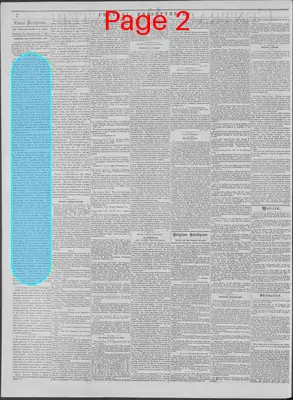
Story
December 5, 1877
The Central Presbyterian
Richmond, Virginia
What is this article about?
Opinion piece speculating that future Northerners may justify Southern slavery and secession, arguing the Civil War stemmed from states' rights, not slavery. Portrays slavery as a civilizing institution that grew the African population and introduced Christianity, under divine providence.
Clipping

OCR Quality
98%
Excellent
Full Text
SLAVERY IN THE UNITED STATES.
We find ourselves wondering sometimes whether the next generation of Southerners, those who have grown up since the war, will condemn their fathers for fighting that war, and also in a certain sense fighting for slavery, which was one of the occasions of it? This would be not so strange as some things which have happened. It would not be any stranger, perhaps, than what we confidently expect will happen; and that is that after two or three generations (or less) the men of the North—the men who shall come on after the passions of the late past are cooled—will justify the South both for their slave-holding and the war of secession, and will condemn the North for her part in respect to both. Look at England; in 1776 almost all her people condemned the American Colonies; in 1876 you could hardly find an intelligent Englishman who did not condemn George III., and justify the Colonies in full. And yet there are Americans—not a few of them both North and South—who condemn their own fathers of the Revolution as going to war for trifles, and who hold that it had been better for Americans to continue living under the British Constitution. These parties maintain that English liberty is surer and safer, and every way better than the American article.
We said that slavery was one of the occasions of the war; but it was not the cause as the North alleges. The cause was a question of Constitutional freedom and States rights. Be the right or the wrong of that question where it may, the point of the strife was just there.
It may be very profitable to meditate on the history of slavery in this country. The slave-trade lasted some two hundred years, closing in 1808. The whole number of Africans imported was somewhere about four hundred thousand. Under the benign influences of their bondage to the whites (we call it benign because we look at it broadly and therefore fairly) they grew to be four millions and a half before the late war began. These imported Africans were brought here not by Southern men, nor with the consent of the South. They were all either Pagans or Mohammedans, and in their original estate were in many cases the fiercest kind of savages. Our fathers who subdued these American forests, were not soft-handed, but very hard-fisted men. Called to a wild woods life they could cope alike successfully with savage beast and savage man. They had red Indians to fight, for they tried in vain to subjugate and enslave them, (especially our New England fathers) and they had black Africans accustomed to very cruel bondage in their own country to rule and govern.— They were under the necessity of regulating many of these by harsh and stern laws.— Years rolled by, generation followed generation, and the Africans grew civilized. Then the severe discipline of the beginning was no longer necessary. The rule of our fathers came to be milder than their laws. Under the white man's government the progeny of the barbarians not only multiplied, but were made to rise several degrees in the social scale. Thousands of them moreover were received into the Christian churches.— Cannibals often, and fetich-worshippers universally in their own country, they learned in the house of their bondage to give up all that, though now as freedmen their religious tendencies frequently appear to point backwards to their old ideas—the ideas and practices of their ancestors. Slavery was a severe school for them, but our own forefathers ages back passed through a similar one, and so perhaps have all the nations that were ever civilized. Why should the Africans be an exception? God's ways are not ours— he permits evil, and then out of it evokes good. Very much more might be said, but for the present we pause. Other kindred topics will be noticed again.
We find ourselves wondering sometimes whether the next generation of Southerners, those who have grown up since the war, will condemn their fathers for fighting that war, and also in a certain sense fighting for slavery, which was one of the occasions of it? This would be not so strange as some things which have happened. It would not be any stranger, perhaps, than what we confidently expect will happen; and that is that after two or three generations (or less) the men of the North—the men who shall come on after the passions of the late past are cooled—will justify the South both for their slave-holding and the war of secession, and will condemn the North for her part in respect to both. Look at England; in 1776 almost all her people condemned the American Colonies; in 1876 you could hardly find an intelligent Englishman who did not condemn George III., and justify the Colonies in full. And yet there are Americans—not a few of them both North and South—who condemn their own fathers of the Revolution as going to war for trifles, and who hold that it had been better for Americans to continue living under the British Constitution. These parties maintain that English liberty is surer and safer, and every way better than the American article.
We said that slavery was one of the occasions of the war; but it was not the cause as the North alleges. The cause was a question of Constitutional freedom and States rights. Be the right or the wrong of that question where it may, the point of the strife was just there.
It may be very profitable to meditate on the history of slavery in this country. The slave-trade lasted some two hundred years, closing in 1808. The whole number of Africans imported was somewhere about four hundred thousand. Under the benign influences of their bondage to the whites (we call it benign because we look at it broadly and therefore fairly) they grew to be four millions and a half before the late war began. These imported Africans were brought here not by Southern men, nor with the consent of the South. They were all either Pagans or Mohammedans, and in their original estate were in many cases the fiercest kind of savages. Our fathers who subdued these American forests, were not soft-handed, but very hard-fisted men. Called to a wild woods life they could cope alike successfully with savage beast and savage man. They had red Indians to fight, for they tried in vain to subjugate and enslave them, (especially our New England fathers) and they had black Africans accustomed to very cruel bondage in their own country to rule and govern.— They were under the necessity of regulating many of these by harsh and stern laws.— Years rolled by, generation followed generation, and the Africans grew civilized. Then the severe discipline of the beginning was no longer necessary. The rule of our fathers came to be milder than their laws. Under the white man's government the progeny of the barbarians not only multiplied, but were made to rise several degrees in the social scale. Thousands of them moreover were received into the Christian churches.— Cannibals often, and fetich-worshippers universally in their own country, they learned in the house of their bondage to give up all that, though now as freedmen their religious tendencies frequently appear to point backwards to their old ideas—the ideas and practices of their ancestors. Slavery was a severe school for them, but our own forefathers ages back passed through a similar one, and so perhaps have all the nations that were ever civilized. Why should the Africans be an exception? God's ways are not ours— he permits evil, and then out of it evokes good. Very much more might be said, but for the present we pause. Other kindred topics will be noticed again.
What sub-type of article is it?
Historical Event
What themes does it cover?
Providence Divine
Moral Virtue
Justice
What keywords are associated?
Slavery
Civil War
States Rights
African Americans
Divine Providence
Historical Justification
Where did it happen?
United States
Story Details
Location
United States
Event Date
Slave Trade Closing In 1808; Civil War
Story Details
Speculates on future generations justifying Southern slavery and secession as states' rights issue; portrays slavery as civilizing force for Africans, increasing population from 400,000 imports to 4.5 million, introducing Christianity, under divine providence allowing evil for good.