Thank you for visiting SNEWPapers!
Sign up free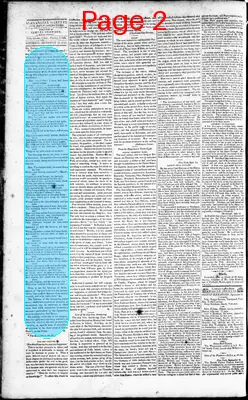
Literary
September 19, 1818
Alexandria Gazette & Daily Advertiser
Alexandria, Virginia
What is this article about?
A letter to the editor shares two extracts from Byron's Manfred. The first is a dialogue between Manfred and an Abbot revealing Manfred's desolate nature. The second is Manfred's poetic reflection on a moonlit night amid Rome's ruins, praising nature's beauty. Commentary contrasts mental ruin with poetic grandeur.
Clipping

OCR Quality
98%
Excellent
Full Text
MR. EDITOR,
Will you permit me to send you two further extracts from Byron's Manfred: the first possessing a species of blasted ruin of mind; the second, conveying the beauties of a highly gifted poetical one, with a sombre coloring, which is infinitely attractive. The first, which follows, arises from a conversation between Manfred and a holy Abbot who attempted to exhort him to repentance:
Man. Avaunt thee! I have had those earthly visions
And noble aspirations in my youth,
To make my own the mind of other men,
The enlightener of nations; and to rise
I know not whither—it might be to fall;
But fall even as the mountain cataract,
Which having leapt from its more dazzling height,
Even in the foaming strength of its abyss,
(Which casts up misty columns that become
Clouds raining from the re-ascended skies,)
Lies like the giant snake before his charmer,
Still—but this is past: My thoughts mistook themselves.
Abbot. And why not live and act with other men?
Man. Because my nature was averse from life;
And yet not cruel; for I would not make,
But find a desolation: like the wind,
The red-hot breath of the most lone Simoom,
Which dwells but in the desert, and sweeps o'er
The barren sands which bear no shrubs to blast,
And revels o'er their wild and arid waves,
And seeketh not, so that it is not sought,
But being met is deadly; such hath been
The course of my existence; but there came
Things in my path which are no more.
The foregoing shews, too truly, a mind of desolation. Its contrast follows in a style of great beauty, being an address to the setting sun.
Man. The stars are forth, the moon above the tops
Of the snow-shining mountains.—Beautiful!
I linger yet with Nature, for the night
Hath been to me a more familiar face
Than that of man: and in her starry shade
Of dim and solitary loveliness,
I learn'd the language of another world.
I do remember me, that in my youth,
When I was wandering,—upon such a night
I stood within the Colosseum's wall:
Midst the chief relics of almighty Rome;
The trees which grew along the broken arches
Waved dark in the blue midnight, and the stars
Shone through the rents of ruin; from afar
The watchdog bayed beyond the Tiber; and
More near from out the Cæsars' palace came
The owl's long cry, and, interruptedly,
Of distant sentinels the fitful song
Began and died upon the gentle wind.
Some cypresses beyond the time-worn breach
Appeared to skirt the horizon, yet they stood
Within a bowshot—where the Cæsars dwelt,
And dwell the tuneless birds of night, amidst
A grove which springs through levell'd battlements,
And twines its roots with the imperial hearths:
Ivy usurps the laurel's place of growth;—
But the gladiators' bloody Circus stands,
A noble wreck in ruinous perfection!
While Cæsar's chambers, and the Augustan halls,
Grovel on earth in indistinct decay.—
And thou didst shine, thou rolling moon, upon
All this, and cast a wide and tender light,
Which soften'd down the hoar austerity
Of rugged desolation, and fill'd up,
As 'twere, anew the gaps of centuries;
Leaving that beautiful which still was so,
And making that which was not, till the place
Became religion, and the heart ran o'er
With silent worship of the great of old!—
Here, to use the language of Shakespeare, is "the poet's eye in a fine phrensy rolling from earth to heaven—from heaven to earth, and as he bodies forth," &c.
The loftiness of the description of this scene, shews how much more grandeur of imagination can be expressed in blank verse, than when trammelled by metrical measure; particularly by the Spenserian, so much adopted by lord Byron.
His lordship, while fine in his imagery, describes with much accuracy and tact; of which the writer of this had personal observation, as regards some of his striking descriptions in the third canto of Childe Harold, on the Rhine.
H.
* The scene lies in the Alps.
Will you permit me to send you two further extracts from Byron's Manfred: the first possessing a species of blasted ruin of mind; the second, conveying the beauties of a highly gifted poetical one, with a sombre coloring, which is infinitely attractive. The first, which follows, arises from a conversation between Manfred and a holy Abbot who attempted to exhort him to repentance:
Man. Avaunt thee! I have had those earthly visions
And noble aspirations in my youth,
To make my own the mind of other men,
The enlightener of nations; and to rise
I know not whither—it might be to fall;
But fall even as the mountain cataract,
Which having leapt from its more dazzling height,
Even in the foaming strength of its abyss,
(Which casts up misty columns that become
Clouds raining from the re-ascended skies,)
Lies like the giant snake before his charmer,
Still—but this is past: My thoughts mistook themselves.
Abbot. And why not live and act with other men?
Man. Because my nature was averse from life;
And yet not cruel; for I would not make,
But find a desolation: like the wind,
The red-hot breath of the most lone Simoom,
Which dwells but in the desert, and sweeps o'er
The barren sands which bear no shrubs to blast,
And revels o'er their wild and arid waves,
And seeketh not, so that it is not sought,
But being met is deadly; such hath been
The course of my existence; but there came
Things in my path which are no more.
The foregoing shews, too truly, a mind of desolation. Its contrast follows in a style of great beauty, being an address to the setting sun.
Man. The stars are forth, the moon above the tops
Of the snow-shining mountains.—Beautiful!
I linger yet with Nature, for the night
Hath been to me a more familiar face
Than that of man: and in her starry shade
Of dim and solitary loveliness,
I learn'd the language of another world.
I do remember me, that in my youth,
When I was wandering,—upon such a night
I stood within the Colosseum's wall:
Midst the chief relics of almighty Rome;
The trees which grew along the broken arches
Waved dark in the blue midnight, and the stars
Shone through the rents of ruin; from afar
The watchdog bayed beyond the Tiber; and
More near from out the Cæsars' palace came
The owl's long cry, and, interruptedly,
Of distant sentinels the fitful song
Began and died upon the gentle wind.
Some cypresses beyond the time-worn breach
Appeared to skirt the horizon, yet they stood
Within a bowshot—where the Cæsars dwelt,
And dwell the tuneless birds of night, amidst
A grove which springs through levell'd battlements,
And twines its roots with the imperial hearths:
Ivy usurps the laurel's place of growth;—
But the gladiators' bloody Circus stands,
A noble wreck in ruinous perfection!
While Cæsar's chambers, and the Augustan halls,
Grovel on earth in indistinct decay.—
And thou didst shine, thou rolling moon, upon
All this, and cast a wide and tender light,
Which soften'd down the hoar austerity
Of rugged desolation, and fill'd up,
As 'twere, anew the gaps of centuries;
Leaving that beautiful which still was so,
And making that which was not, till the place
Became religion, and the heart ran o'er
With silent worship of the great of old!—
Here, to use the language of Shakespeare, is "the poet's eye in a fine phrensy rolling from earth to heaven—from heaven to earth, and as he bodies forth," &c.
The loftiness of the description of this scene, shews how much more grandeur of imagination can be expressed in blank verse, than when trammelled by metrical measure; particularly by the Spenserian, so much adopted by lord Byron.
His lordship, while fine in his imagery, describes with much accuracy and tact; of which the writer of this had personal observation, as regards some of his striking descriptions in the third canto of Childe Harold, on the Rhine.
H.
* The scene lies in the Alps.
What sub-type of article is it?
Essay
Poem
Dialogue
What themes does it cover?
Nature
Moral Virtue
Religious
What keywords are associated?
Byron
Manfred
Desolation
Nature
Ruins
Rome
Blank Verse
Abbot
What entities or persons were involved?
H., From Lord Byron's Manfred
Literary Details
Author
H., From Lord Byron's Manfred
Subject
Extracts Contrasting Mental Desolation And Natural Beauty In Byron's Manfred
Form / Style
Prose Letter With Blank Verse Extracts
Key Lines
Man. Avaunt Thee! I Have Had Those Earthly Visions
And Noble Aspirations In My Youth,
To Make My Own The Mind Of Other Men,
The Enlightener Of Nations; And To Rise
I Know Not Whither—It Might Be To Fall;
Man. Because My Nature Was Averse From Life;
And Yet Not Cruel; For I Would Not Make,
But Find A Desolation: Like The Wind,
The Red Hot Breath Of The Most Lone Simoom,
Man. The Stars Are Forth, The Moon Above The Tops
Of The Snow Shining Mountains.—Beautiful!
I Linger Yet With Nature, For The Night
Hath Been To Me A More Familiar Face
Than That Of Man:
And Thou Didst Shine, Thou Rolling Moon, Upon
All This, And Cast A Wide And Tender Light,
Which Soften'd Down The Hoar Austerity
Of Rugged Desolation, And Fill'd Up,
As 'Twere, Anew The Gaps Of Centuries;