Thank you for visiting SNEWPapers!
Sign up free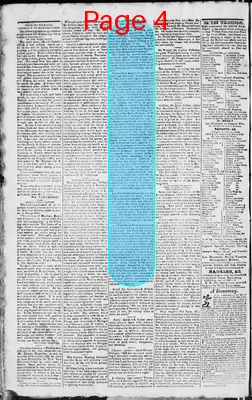
Literary
December 20, 1827
Martinsburg Gazette And Public Advertiser
Martinsburg, Berkeley County, West Virginia
What is this article about?
In this Swedish legend, dying Princess Ulrica of Sweden longs to bid farewell to her friend Countess Emelinde but passes away before her arrival. At midnight, as Baron Frederic guards the body, Emelinde's ghost enters, embraces the risen corpse, fulfilling their vow. The countess is later reported dead.
Clipping

OCR Quality
95%
Excellent
Full Text
From the New-Monthly Magazine.
THE DEAD WATCH.
A LEGEND OF SWEDEN.
The last moments of Ulrica, princess of Sweden, approached. A film obscured her eye; but her voice, though weak, was clear. "I thought I scarcely could have died without bidding a last farewell," she said, "to my loved Emelinde--but life recedes apace. How many days have elapsed since the messenger was despatched to Saxony?"
"But three, my dearest princess!" replied an aged attendant, whose accents were scarcely more distant than those of her dying mistress;--but three: as many weeks must pass before Countess Emelinde, of Schoenberg can arrive."
"I have not as many hours to live, and must forego this hope," resumed the lady. "Our vow to meet again, before the tomb closed over us, has passed unfulfilled. My faithful friends, farewell! when I am gone, think kindly of your princess!"
It was three in the morning when Ulrica expired; the next day, the body lay in state, and all Stockholm repaired to take a last look at their beloved princess. The crowd was so great, that, towards evening, the officer on guard found it difficult to enforce the order for closing the doors, and that none should be admitted until the following day. This officer was Baron Frederic, of W---, a young Swede of undoubted courage.
The eleventh hour had struck; and, as he walked up and down an ante-chamber, separated from the room where the princess lay merely by a glass partition, he often paused to gaze at the idle pomp which surrounded the royal corse, where the shades of death, and the glare of a thousand tapers seemed engaged in ghastly combat--and then, his head sunk on his breast--and, again he moved slowly on, wrapped in his own reflections.--So passed the next hour, and the clock struck twelve. As its last vibration ceased, a lady, dressed in black, whom the baron immediately recognized as the Countess Emelinde of Schoenberg, the absent friend of the princess, entered--"Noble Countess," said Baron Frederic, "the chamber of her highness is closed, and no one, until the morning, can be admitted. Nay, advance not, lady--my orders are severe; and, were I even to infringe them, it would but afford you the means of augmenting your sorrow. I pray you refrain!"--and seeing the pale figure advance, he moved to oppose her entering.
A cold hand was laid on his--an icy shudder pervaded his whole frame-- and he remained motionless! For a moment's space, his sight was obscured, and, when he recovered it, he saw the figure approach the bed of the princess. The corse arose, and opened its heavy eyelids; but its glance was fixed and glassy. The arms, which before were crossed on the breast, spread slowly, to embrace the pallid form which moved to meet them!
----When Baron Frederic recovered, he found himself lying on the ground: he was alone. The corse had resumed its former attitude, on the lips, which had retained the convulsive contraction of the last agony, now sat a placid smile. Inquiries were made in the palace; and their only result was, that on that night, at the midnight hour, a mourning coach, drawn by four horses, had entered the palace court; a female, in black attire, alighted from it, and ascended the stairs. In what manner either the carriage or the lady had disappeared, none could explain. In the course of the month, the messenger despatched to Saxony returned, and also with tidings of the death of the Countess Schoenberg. The story is, to this day, well remembered in Stockholm, and recounted as often as a rude basso relievo, representing this mysterious circumstance, arrests the attention of the traveller.
THE DEAD WATCH.
A LEGEND OF SWEDEN.
The last moments of Ulrica, princess of Sweden, approached. A film obscured her eye; but her voice, though weak, was clear. "I thought I scarcely could have died without bidding a last farewell," she said, "to my loved Emelinde--but life recedes apace. How many days have elapsed since the messenger was despatched to Saxony?"
"But three, my dearest princess!" replied an aged attendant, whose accents were scarcely more distant than those of her dying mistress;--but three: as many weeks must pass before Countess Emelinde, of Schoenberg can arrive."
"I have not as many hours to live, and must forego this hope," resumed the lady. "Our vow to meet again, before the tomb closed over us, has passed unfulfilled. My faithful friends, farewell! when I am gone, think kindly of your princess!"
It was three in the morning when Ulrica expired; the next day, the body lay in state, and all Stockholm repaired to take a last look at their beloved princess. The crowd was so great, that, towards evening, the officer on guard found it difficult to enforce the order for closing the doors, and that none should be admitted until the following day. This officer was Baron Frederic, of W---, a young Swede of undoubted courage.
The eleventh hour had struck; and, as he walked up and down an ante-chamber, separated from the room where the princess lay merely by a glass partition, he often paused to gaze at the idle pomp which surrounded the royal corse, where the shades of death, and the glare of a thousand tapers seemed engaged in ghastly combat--and then, his head sunk on his breast--and, again he moved slowly on, wrapped in his own reflections.--So passed the next hour, and the clock struck twelve. As its last vibration ceased, a lady, dressed in black, whom the baron immediately recognized as the Countess Emelinde of Schoenberg, the absent friend of the princess, entered--"Noble Countess," said Baron Frederic, "the chamber of her highness is closed, and no one, until the morning, can be admitted. Nay, advance not, lady--my orders are severe; and, were I even to infringe them, it would but afford you the means of augmenting your sorrow. I pray you refrain!"--and seeing the pale figure advance, he moved to oppose her entering.
A cold hand was laid on his--an icy shudder pervaded his whole frame-- and he remained motionless! For a moment's space, his sight was obscured, and, when he recovered it, he saw the figure approach the bed of the princess. The corse arose, and opened its heavy eyelids; but its glance was fixed and glassy. The arms, which before were crossed on the breast, spread slowly, to embrace the pallid form which moved to meet them!
----When Baron Frederic recovered, he found himself lying on the ground: he was alone. The corse had resumed its former attitude, on the lips, which had retained the convulsive contraction of the last agony, now sat a placid smile. Inquiries were made in the palace; and their only result was, that on that night, at the midnight hour, a mourning coach, drawn by four horses, had entered the palace court; a female, in black attire, alighted from it, and ascended the stairs. In what manner either the carriage or the lady had disappeared, none could explain. In the course of the month, the messenger despatched to Saxony returned, and also with tidings of the death of the Countess Schoenberg. The story is, to this day, well remembered in Stockholm, and recounted as often as a rude basso relievo, representing this mysterious circumstance, arrests the attention of the traveller.
What sub-type of article is it?
Prose Fiction
What themes does it cover?
Death Mortality
Friendship
What keywords are associated?
Swedish Legend
Princess Ulrica
Countess Emelinde
Ghost Embrace
Dead Watch
Stockholm Palace
Literary Details
Title
The Dead Watch. A Legend Of Sweden.
Key Lines
"Our Vow To Meet Again, Before The Tomb Closed Over Us, Has Passed Unfulfilled."
The Corse Arose, And Opened Its Heavy Eyelids; But Its Glance Was Fixed And Glassy. The Arms, Which Before Were Crossed On The Breast, Spread Slowly, To Embrace The Pallid Form Which Moved To Meet Them!
The Story Is, To This Day, Well Remembered In Stockholm, And Recounted As Often As A Rude Basso Relievo, Representing This Mysterious Circumstance, Arrests The Attention Of The Traveller.