Thank you for visiting SNEWPapers!
Sign up free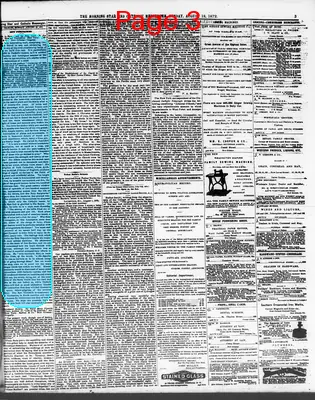
Literary
August 18, 1872
The Morning Star And Catholic Messenger
New Orleans, Orleans County, Louisiana
What is this article about?
A glowing review of Rev. Eugene Vetromile's 'Travels in Europe and the Holy Land,' praising its engaging Catholic perspective on travel, personal anecdotes, religious sites like St. Patrick's grave and York Cathedral, and the author's humility and humor. It highlights the book's value in countering Protestant misrepresentations and edifying readers.
Clipping

OCR Quality
95%
Excellent
Full Text
Travels in Europe and the Holy Land. By the Rev. Eugene Vetromile, New York: Sadlier & Co., New Orleans: Gogarty.
A very interesting work, comprising two volumes bound in one, and containing 316 pages, is one of the most entertaining books of travels we have ever read. It is particularly useful to Catholic readers, as it is written by a zealous and intelligent member of the Church who to the erudition of a scholar unites naturalness of a child.
As he says in his preface, "Catholics of this country are fond of reading and of biographies and sneer at the practices, manners, etc., of Catholic nations. Their party writers, intentionally, the real customs of Catholic countries, who frequently misrepresent, perhaps better than those written by Protestant nations; but they have no books by Catholics, etc., of Catholic nations. Their party writers entirely suppress, or barely mention, the beauty, progress, civilization and religion which the Catholic religion develops, the good which it operates throughout the world."
The reverend tourist is an Italian, from the south of Italy, the heel of the peninsula, and a few of his most interesting pages are devoted to the memories awakened by a visit to his native place and his family after an absence of twenty-five years.
Of noble birth by parentage, with devoted friends and relatives, his inner life, as reflected in his book, is only the sincerest humility, piety and devotion to God and his fellow-creatures, and no one can fail to detect the depth of feeling and the warm attachment which the sight of home and country stirs within his breast. You love the author while you read his book; it speaks most heartily of his own genial, truthful, simple nature; and far from being a dry description of places and monuments, it abounds in humorous details of travel and personal experience, which, many a time, provoke a hearty laugh.
He visited St. Patrick's grave: "It is only a mound without headstone or inscription, not so much as a cross, yet everybody knows it, and the path leading to it from the road is kept smooth by the frequent visits of those who go thither to pray."
Who will scorn the strength and beauty of this faith? For fifteen centuries this sacred spot has been pointed out to thousands and thousands by her sweet, solemn voice alone!
His description of York Cathedral, whose Archbishop is styled Primate of England, awakens feelings of regret at the loss to the Faith of so grand and wonderful edifice. "Its length from east to west is five hundred and twenty feet, its breadth one hundred and five, the height of the grand lantern tower two hundred and thirteen feet. The great eastern window consists of upwards of two hundred compartments, representing scenes from the life of Christ, the Saints, and the Holy Scriptures."
For more than five centuries this painted window has preached to the multitude its eloquent lesson, which only the Catholic learns, that God is glorified in His Saints.
At Rome, he tells us in a style most charming: "The setting of the table filled me at once with pleasure and new life. Each place was furnished with a loaf of excellent bread, a bottle of wine and a dish for soup."
Who does not recognize, in this description, some dear friend, either of the clergy or laity, whose natural desires would be perfectly satisfied with such arrangements for dinner?
You must read his account of an ascent half way up the greatest Pyramid in order fully to enjoy its delightful, comic vein.
The feelings with which he visits the Holy Sepulchre inspire his reader with most solemn emotions. He celebrated Masses on the tomb of Our Saviour, and we can well understand how his heart thrilled with happiness, although the impression was so vivid that it required extraordinary efforts to continue. He only recollects that, in reciting the Creed, at the words, 'of His Sepulchre,' he was so nervous as to be almost incapable of going through Mass.
But we would never stop, were we to point out the many passages which rest within our mind. Sincere Protestants would be disabused of many errors in connection with Catholic customs and look with awakened interest on localities and events which are, too surely, dying out of the recollection of the Sect, would they but read such books as the one before us, while Catholic readers will find so much edification blended with instruction that they will feel themselves in the spirit, fellow-pilgrims of the reverend author.
The Rev. Vetromile is missionary to the Etchemins, in North America, and one of the reasons for his journey was that of benefiting them. We hope the proceeds from the sale of this book will also accomplish the same result.
A very interesting work, comprising two volumes bound in one, and containing 316 pages, is one of the most entertaining books of travels we have ever read. It is particularly useful to Catholic readers, as it is written by a zealous and intelligent member of the Church who to the erudition of a scholar unites naturalness of a child.
As he says in his preface, "Catholics of this country are fond of reading and of biographies and sneer at the practices, manners, etc., of Catholic nations. Their party writers, intentionally, the real customs of Catholic countries, who frequently misrepresent, perhaps better than those written by Protestant nations; but they have no books by Catholics, etc., of Catholic nations. Their party writers entirely suppress, or barely mention, the beauty, progress, civilization and religion which the Catholic religion develops, the good which it operates throughout the world."
The reverend tourist is an Italian, from the south of Italy, the heel of the peninsula, and a few of his most interesting pages are devoted to the memories awakened by a visit to his native place and his family after an absence of twenty-five years.
Of noble birth by parentage, with devoted friends and relatives, his inner life, as reflected in his book, is only the sincerest humility, piety and devotion to God and his fellow-creatures, and no one can fail to detect the depth of feeling and the warm attachment which the sight of home and country stirs within his breast. You love the author while you read his book; it speaks most heartily of his own genial, truthful, simple nature; and far from being a dry description of places and monuments, it abounds in humorous details of travel and personal experience, which, many a time, provoke a hearty laugh.
He visited St. Patrick's grave: "It is only a mound without headstone or inscription, not so much as a cross, yet everybody knows it, and the path leading to it from the road is kept smooth by the frequent visits of those who go thither to pray."
Who will scorn the strength and beauty of this faith? For fifteen centuries this sacred spot has been pointed out to thousands and thousands by her sweet, solemn voice alone!
His description of York Cathedral, whose Archbishop is styled Primate of England, awakens feelings of regret at the loss to the Faith of so grand and wonderful edifice. "Its length from east to west is five hundred and twenty feet, its breadth one hundred and five, the height of the grand lantern tower two hundred and thirteen feet. The great eastern window consists of upwards of two hundred compartments, representing scenes from the life of Christ, the Saints, and the Holy Scriptures."
For more than five centuries this painted window has preached to the multitude its eloquent lesson, which only the Catholic learns, that God is glorified in His Saints.
At Rome, he tells us in a style most charming: "The setting of the table filled me at once with pleasure and new life. Each place was furnished with a loaf of excellent bread, a bottle of wine and a dish for soup."
Who does not recognize, in this description, some dear friend, either of the clergy or laity, whose natural desires would be perfectly satisfied with such arrangements for dinner?
You must read his account of an ascent half way up the greatest Pyramid in order fully to enjoy its delightful, comic vein.
The feelings with which he visits the Holy Sepulchre inspire his reader with most solemn emotions. He celebrated Masses on the tomb of Our Saviour, and we can well understand how his heart thrilled with happiness, although the impression was so vivid that it required extraordinary efforts to continue. He only recollects that, in reciting the Creed, at the words, 'of His Sepulchre,' he was so nervous as to be almost incapable of going through Mass.
But we would never stop, were we to point out the many passages which rest within our mind. Sincere Protestants would be disabused of many errors in connection with Catholic customs and look with awakened interest on localities and events which are, too surely, dying out of the recollection of the Sect, would they but read such books as the one before us, while Catholic readers will find so much edification blended with instruction that they will feel themselves in the spirit, fellow-pilgrims of the reverend author.
The Rev. Vetromile is missionary to the Etchemins, in North America, and one of the reasons for his journey was that of benefiting them. We hope the proceeds from the sale of this book will also accomplish the same result.
What sub-type of article is it?
Essay
What themes does it cover?
Religious
What keywords are associated?
Book Review
Catholic Travel
Holy Land Pilgrimage
European Journey
Religious Edification
Literary Details
Subject
Review Of 'Travels In Europe And The Holy Land' By Rev. Eugene Vetromile
Form / Style
Prose Book Review With Excerpts
Key Lines
As He Says In His Preface, "Catholics Of This Country Are Fond Of Reading And Of Biographies And Sneer At The Practices, Manners, Etc., Of Catholic Nations. Their Party Writers, Intentionally, The Real Customs Of Catholic Countries, Who Frequently Misrepresent, Perhaps Better Than Those Written By Protestant Nations; But They Have No Books By Catholics, Etc., Of Catholic Nations. Their Party Writers Entirely Suppress, Or Barely Mention, The Beauty, Progress, Civilization And Religion Which The Catholic Religion Develops, The Good Which It Operates Throughout The World."
He Visited St. Patrick's Grave: "It Is Only A Mound Without Headstone Or Inscription, Not So Much As A Cross, Yet Everybody Knows It, And The Path Leading To It From The Road Is Kept Smooth By The Frequent Visits Of Those Who Go Thither To Pray."
His Description Of York Cathedral, Whose Archbishop Is Styled Primate Of England, Awakens Feelings Of Regret At The Loss To The Faith Of So Grand And Wonderful Edifice. "Its Length From East To West Is Five Hundred And Twenty Feet, Its Breadth One Hundred And Five, The Height Of The Grand Lantern Tower Two Hundred And Thirteen Feet. The Great Eastern Window Consists Of Upwards Of Two Hundred Compartments, Representing Scenes From The Life Of Christ, The Saints, And The Holy Scriptures."
At Rome, He Tells Us In A Style Most Charming: "The Setting Of The Table Filled Me At Once With Pleasure And New Life. Each Place Was Furnished With A Loaf Of Excellent Bread, A Bottle Of Wine And A Dish For Soup."