Thank you for visiting SNEWPapers!
Sign up free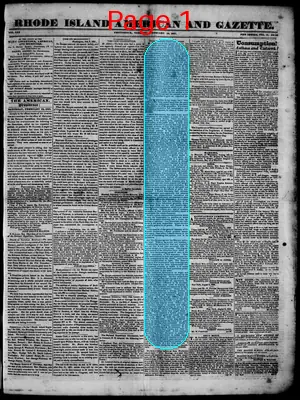
Letter to Editor
February 15, 1831
Rhode Island American And Gazette
Providence, Providence County, Rhode Island
What is this article about?
A neutral observer critiques the excessive party excitement in the Masonic controversy, arguing that Freemasonry originated harmlessly but has been corrupted by designing men incorporating Illuminati-like principles, resulting in a mix of virtue and vice that deceives both good and bad men.
Clipping

OCR Quality
98%
Excellent
Full Text
COMMUNICATED
THE MASONIC CONTROVERSY.
Mr. Editor— I do not intend to enter into
any general discussion of the great question
which now agitates the public, but so far only
as to illustrate the few remarks which I wish
to make. I have some views which I am desirous of presenting to the public eye, differing,
perhaps, in some respects, from those usually
entertained by either side. I have chosen the
columns of the "American" as the medium of
their communication, believing, from the general course you have pursued, that your paper
is open to a fair and candid discussion of this
subject, and that you wish to place it on the
same footing that you would any other subject
of general interest to the community. I come
not as the advocate of either side, but simply
to suggest a few such considerations as I think
truth and justice demand, and such, I trust, as
will endure after the convulsions of the times
have passed away. Presenting myself, in this
character, I do not expect, that my views will
meet the approbation of the partisans of either
side—of those who have become so zealous as
not to be influenced by the cool deliberations
of judgment. I consider the two parties in the
relation of the accuser and the accused, neither
of whom is qualified to give an impartial decision.
I may be mistaken in my views, but I have
endeavored to keep myself aloof from the party
strife, that my conclusions might be the result
of my reason, not of my prejudice. It is almost
impossible to procure a fair investigation and
an impartial judgment, in times of violent excitement.
I would first observe, that there is too much
excitement on this subject—I mean, of a personal and party nature. There are always
dangers, if not positive evils, resulting from
such a state of the public mind. I have seen
so much of the evil of parties, that I am almost
disposed, at times, to deny their utility or justice in any case. Read their effects in the history of our country! It has often happened
that political parties have existed here, in
state of violence, with scarce a shade of difference in principle; and have survived, with all
their destructive effects, long after the original
causes, which produced them, had ceased.
How much pernicious legislation has been imposed upon the country, under the influence of
party! how much injustice has been done in the
heat and hurry of party contention! Let the
records of your legislative assemblies bear witness. Party influence extends into every department of government—no station seems to
be exempt from its control. Party spirit, especially at this time, prevails to a great and
alarming extent—indeed it seems as though
this unhappy country were destined to be harassed by political contentions, and at last torn
in pieces by the convulsions and explosions of
this indomitable spirit. I am speaking now of
organized parties. I will not deny the necessity, in some cases, of party concert. But political parties have been multiplied, in this country within a few years,
beyond all precedent;
and there appears no prospect of a diminution—but, on the contrary, future divisions may be
discerned, until the whole country will become
distracted and involved in utter confusion. But
if there be some utility, there is still great and
alarming danger in the effects of party contentions. I should deprecate their increase.
But I deprecate more especially this personal
warfare, this indiscriminate accusation and
proscription, which many are disposed to make
of a whole class of the community. It is almost
needless to repeat here the principles of the
institution or the inferences generally drawn
from them—they are too well known—but I
dissent from the application which is too often
made of them. I object, as a man of common
humanity, to that universal outlawry which is
passed upon the whole fraternity.
Here is a great and important question which
divides the community—a question on which
there is not only a diversity, but a direct opposition of opinions. One denounces the institution in the most unqualified terms—another
is equally general in its praise. Where is the
truth!
In the opinion of the general tendency of the
Masonic institution, I should probably concur
with many, from whom I should dissent in the
manner of expressing that opinion, and in its
application.
Are the charges against the Masonic institution true? What is its nature and tendency ?
I believe the institution was not originally
bad; but that it has been perverted from its
original design, to evil purposes. The disgraced principles of the Illuminati have taken refuge, from the pursuing justice of man, in the
higher apartments of this sanctuary. Here
they rested behind its dark and mysterious curtains, unsuspected by the world, until recent
events brought them to light. The Masonic
system at first consisted of only three degrees,
in which there is but little objectionable—but
freemasonry, properly so called, is of recent
origin, and contains the most pernicious principles which exist in the order.
The institution, harmless in its origin and
in its lower degrees, has become corrupt by the
efforts of designing men. Its very constitution
renders it dangerous, and exposes it to corruption, by giving the vicious an opportunity for
exerting a greater influence in its direction.
Vice always seeks some cover to conceal its
designs. Here ambition can mature its projects without the fear of detection. Hence we discover in the institution a strange mixture of
good and bad, order and confusion, purity and
corruption, truth and falsehood, religion and
profanity. In this strange medley, we perceive the efforts of designing men to introduce
their principles into the order, to engraft their
scions upon the original stock. There are in
its lectures, lessons of morality and religion
which virtue might be willing to own; in the
same degrees sentiments of infidelity and immoral tendency, which vice might blush to
confess. This answers a double purpose—it
can thus decoy the good and attach the bad.
This is its object. It seeks the influence of
men of fair character. It has long labored to
throw its chains around the forms of the great
and good; and has often succeeded. Hence we
find some of the brightest ornaments of our
country enrolled among its numbers. It has
used their names, their virtues and their influence to recommend itself. It has employed
the covering of their character to conceal its
own vices; and sanctioned its selfish designs
by the reflected light and imputed virtue which
such names would bestow upon any institution.
I must defer further remarks to another paper;
and will conclude in a few brief numbers. I
belong to neither party, but am yours respectfully,
JUDEN.
THE MASONIC CONTROVERSY.
Mr. Editor— I do not intend to enter into
any general discussion of the great question
which now agitates the public, but so far only
as to illustrate the few remarks which I wish
to make. I have some views which I am desirous of presenting to the public eye, differing,
perhaps, in some respects, from those usually
entertained by either side. I have chosen the
columns of the "American" as the medium of
their communication, believing, from the general course you have pursued, that your paper
is open to a fair and candid discussion of this
subject, and that you wish to place it on the
same footing that you would any other subject
of general interest to the community. I come
not as the advocate of either side, but simply
to suggest a few such considerations as I think
truth and justice demand, and such, I trust, as
will endure after the convulsions of the times
have passed away. Presenting myself, in this
character, I do not expect, that my views will
meet the approbation of the partisans of either
side—of those who have become so zealous as
not to be influenced by the cool deliberations
of judgment. I consider the two parties in the
relation of the accuser and the accused, neither
of whom is qualified to give an impartial decision.
I may be mistaken in my views, but I have
endeavored to keep myself aloof from the party
strife, that my conclusions might be the result
of my reason, not of my prejudice. It is almost
impossible to procure a fair investigation and
an impartial judgment, in times of violent excitement.
I would first observe, that there is too much
excitement on this subject—I mean, of a personal and party nature. There are always
dangers, if not positive evils, resulting from
such a state of the public mind. I have seen
so much of the evil of parties, that I am almost
disposed, at times, to deny their utility or justice in any case. Read their effects in the history of our country! It has often happened
that political parties have existed here, in
state of violence, with scarce a shade of difference in principle; and have survived, with all
their destructive effects, long after the original
causes, which produced them, had ceased.
How much pernicious legislation has been imposed upon the country, under the influence of
party! how much injustice has been done in the
heat and hurry of party contention! Let the
records of your legislative assemblies bear witness. Party influence extends into every department of government—no station seems to
be exempt from its control. Party spirit, especially at this time, prevails to a great and
alarming extent—indeed it seems as though
this unhappy country were destined to be harassed by political contentions, and at last torn
in pieces by the convulsions and explosions of
this indomitable spirit. I am speaking now of
organized parties. I will not deny the necessity, in some cases, of party concert. But political parties have been multiplied, in this country within a few years,
beyond all precedent;
and there appears no prospect of a diminution—but, on the contrary, future divisions may be
discerned, until the whole country will become
distracted and involved in utter confusion. But
if there be some utility, there is still great and
alarming danger in the effects of party contentions. I should deprecate their increase.
But I deprecate more especially this personal
warfare, this indiscriminate accusation and
proscription, which many are disposed to make
of a whole class of the community. It is almost
needless to repeat here the principles of the
institution or the inferences generally drawn
from them—they are too well known—but I
dissent from the application which is too often
made of them. I object, as a man of common
humanity, to that universal outlawry which is
passed upon the whole fraternity.
Here is a great and important question which
divides the community—a question on which
there is not only a diversity, but a direct opposition of opinions. One denounces the institution in the most unqualified terms—another
is equally general in its praise. Where is the
truth!
In the opinion of the general tendency of the
Masonic institution, I should probably concur
with many, from whom I should dissent in the
manner of expressing that opinion, and in its
application.
Are the charges against the Masonic institution true? What is its nature and tendency ?
I believe the institution was not originally
bad; but that it has been perverted from its
original design, to evil purposes. The disgraced principles of the Illuminati have taken refuge, from the pursuing justice of man, in the
higher apartments of this sanctuary. Here
they rested behind its dark and mysterious curtains, unsuspected by the world, until recent
events brought them to light. The Masonic
system at first consisted of only three degrees,
in which there is but little objectionable—but
freemasonry, properly so called, is of recent
origin, and contains the most pernicious principles which exist in the order.
The institution, harmless in its origin and
in its lower degrees, has become corrupt by the
efforts of designing men. Its very constitution
renders it dangerous, and exposes it to corruption, by giving the vicious an opportunity for
exerting a greater influence in its direction.
Vice always seeks some cover to conceal its
designs. Here ambition can mature its projects without the fear of detection. Hence we discover in the institution a strange mixture of
good and bad, order and confusion, purity and
corruption, truth and falsehood, religion and
profanity. In this strange medley, we perceive the efforts of designing men to introduce
their principles into the order, to engraft their
scions upon the original stock. There are in
its lectures, lessons of morality and religion
which virtue might be willing to own; in the
same degrees sentiments of infidelity and immoral tendency, which vice might blush to
confess. This answers a double purpose—it
can thus decoy the good and attach the bad.
This is its object. It seeks the influence of
men of fair character. It has long labored to
throw its chains around the forms of the great
and good; and has often succeeded. Hence we
find some of the brightest ornaments of our
country enrolled among its numbers. It has
used their names, their virtues and their influence to recommend itself. It has employed
the covering of their character to conceal its
own vices; and sanctioned its selfish designs
by the reflected light and imputed virtue which
such names would bestow upon any institution.
I must defer further remarks to another paper;
and will conclude in a few brief numbers. I
belong to neither party, but am yours respectfully,
JUDEN.
What sub-type of article is it?
Philosophical
Reflective
Persuasive
What themes does it cover?
Politics
Morality
Religion
What keywords are associated?
Masonic Controversy
Freemasonry Corruption
Illuminati Principles
Party Spirit
Political Parties
Morality Lessons
Infidelity Sentiments
Designing Men
What entities or persons were involved?
Juden
Mr. Editor
Letter to Editor Details
Author
Juden
Recipient
Mr. Editor
Main Argument
freemasonry was originally harmless but has been corrupted by designing men who introduced pernicious principles like those of the illuminati, resulting in a dangerous mix of good and evil that deceives society; the writer criticizes the excessive personal and party excitement surrounding the controversy.
Notable Details
References Illuminati Principles Taking Refuge In Masonry
Masonic System Originally Three Degrees With Little Objectionable
Freemasonry Proper Of Recent Origin With Pernicious Principles
Mixture Of Morality And Infidelity In Lectures
Critique Of Party Spirit And Its Dangers In American History