Thank you for visiting SNEWPapers!
Sign up free
Editorial
July 31, 1823
Martinsburgh Gazette
Martinsburg, Berkeley County, West Virginia
What is this article about?
Editorial extolling the dignity, independence, and moral benefits of mechanical labor for working men and apprentices, emphasizing virtues like industry, economy, and family values as foundations of republican society, contrasting it with transient military glory.
Clipping
OCR Quality
98%
Excellent
Full Text
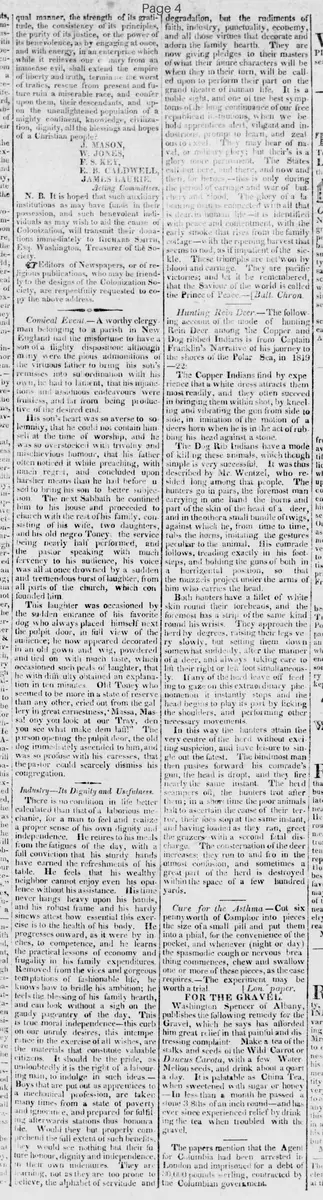
Industry—Its Dignity and Usefulness.
There is no condition in life better calculated than that of a laborious mechanic, for a man to feel and realize a proper sense of his own dignity and independence. He retires to his meals from the fatigues of the day, with a full conviction that his sturdy hands have earned the refreshments of his table. He feels that his wealthy neighbor cannot enjoy even his opulence without his assistance. His time never hangs heavy upon his hands, and his robust frame and his hardy sinews attest how essential this exercise is to the health of his body. He progresses onward, as it were by inches, to competence, and he learns the practical lessons of economy and frugality in his family expenditures.
Removed from the vices and gorgeous temptations of fashionable life, he knows how to bridle his ambition; he feels the blessing of his family hearth, and can look without a sigh on the gaudy pageantry of the day. This is true moral independence—this curb on our unruly desires, this intemperance in the exercise of all wishes, are the materials that constitute valuable citizens. It should be the pride, as undoubtedly it is the right of a labouring man, to indulge in such ideas.
Boys that are put out as apprentices to a mechanical profession, are taken many times from a state of poverty and ignorance, and prepared for fulfilling afterwards stations thus honourable. Would they but properly comprehend the full extent of such benefits, they would see nothing but their future honour, dignity and independence, in their own indentures. They are learning, not as they are too prone to believe, the alphabet of servitude and degradation, but the rudiments of faith, industry, punctuality, economy, and all those virtues that decorate and adorn the family hearth. They are now giving pledges to their masters of what their future characters will be when they in their turn, will be called upon to perform their part on the grand theatre of human life. It is a noble sight, and one of the best symptoms of the long continuance of our free republican institutions, when we behold apprentices alert, vigilant and industrious, prompt to learn, and zealous to excel They may hear of naval, or military glory; but theirs is a glory more permanent. The States call but here, and there, and now and then, for heroes—this is only during the period of carnage and war of butchery and blood. The glory of a labouring man is connected with all that is dear in human life—it is identified with peace and contentment, with the early smoke that rises from the family cottage—with the ripening harvest that seems to nod, as if impatient of the sickle. These triumphs are not won by blood and carnage. They are pacific victories; and let it be remembered that the Saviour of the world is called the Prince of Peace.—[Balt. Chron.
There is no condition in life better calculated than that of a laborious mechanic, for a man to feel and realize a proper sense of his own dignity and independence. He retires to his meals from the fatigues of the day, with a full conviction that his sturdy hands have earned the refreshments of his table. He feels that his wealthy neighbor cannot enjoy even his opulence without his assistance. His time never hangs heavy upon his hands, and his robust frame and his hardy sinews attest how essential this exercise is to the health of his body. He progresses onward, as it were by inches, to competence, and he learns the practical lessons of economy and frugality in his family expenditures.
Removed from the vices and gorgeous temptations of fashionable life, he knows how to bridle his ambition; he feels the blessing of his family hearth, and can look without a sigh on the gaudy pageantry of the day. This is true moral independence—this curb on our unruly desires, this intemperance in the exercise of all wishes, are the materials that constitute valuable citizens. It should be the pride, as undoubtedly it is the right of a labouring man, to indulge in such ideas.
Boys that are put out as apprentices to a mechanical profession, are taken many times from a state of poverty and ignorance, and prepared for fulfilling afterwards stations thus honourable. Would they but properly comprehend the full extent of such benefits, they would see nothing but their future honour, dignity and independence, in their own indentures. They are learning, not as they are too prone to believe, the alphabet of servitude and degradation, but the rudiments of faith, industry, punctuality, economy, and all those virtues that decorate and adorn the family hearth. They are now giving pledges to their masters of what their future characters will be when they in their turn, will be called upon to perform their part on the grand theatre of human life. It is a noble sight, and one of the best symptoms of the long continuance of our free republican institutions, when we behold apprentices alert, vigilant and industrious, prompt to learn, and zealous to excel They may hear of naval, or military glory; but theirs is a glory more permanent. The States call but here, and there, and now and then, for heroes—this is only during the period of carnage and war of butchery and blood. The glory of a labouring man is connected with all that is dear in human life—it is identified with peace and contentment, with the early smoke that rises from the family cottage—with the ripening harvest that seems to nod, as if impatient of the sickle. These triumphs are not won by blood and carnage. They are pacific victories; and let it be remembered that the Saviour of the world is called the Prince of Peace.—[Balt. Chron.
What sub-type of article is it?
Labor
Moral Or Religious
Social Reform
What keywords are associated?
Industry
Dignity
Labor
Apprentices
Moral Independence
Republican Institutions
Peaceful Glory
What entities or persons were involved?
Laborious Mechanics
Apprentices
Labouring Men
Masters
Editorial Details
Primary Topic
Dignity And Usefulness Of Industry For Mechanics And Apprentices
Stance / Tone
Praiseful And Exhortative
Key Figures
Laborious Mechanics
Apprentices
Labouring Men
Masters
Key Arguments
Laborious Work Fosters Dignity And Independence
Mechanics Are Essential To Neighbors' Opulence And Societal Health
Industry Teaches Economy, Frugality, And Moral Virtues
Apprenticeships Prepare For Honorable Stations Through Faith, Punctuality, And Industry
Labor's Glory Is Permanent And Peaceful, Unlike Transient Military Heroism
Such Virtues Support Free Republican Institutions