Thank you for visiting SNEWPapers!
Sign up free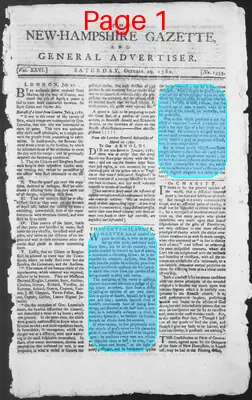
Literary
October 19, 1782
The New Hampshire Gazette And General Advertiser
Portsmouth, Exeter, Rockingham County, New Hampshire
What is this article about?
An essay reflecting on the nature of slander, its motivations rooted in pride, ignorance, laziness, and spleen, and the misery of perpetual distrust. It critiques those who defame to display wit at others' expense, contrasting youthful generosity with cynical maturity.
Clipping
OCR Quality
98%
Excellent
Full Text
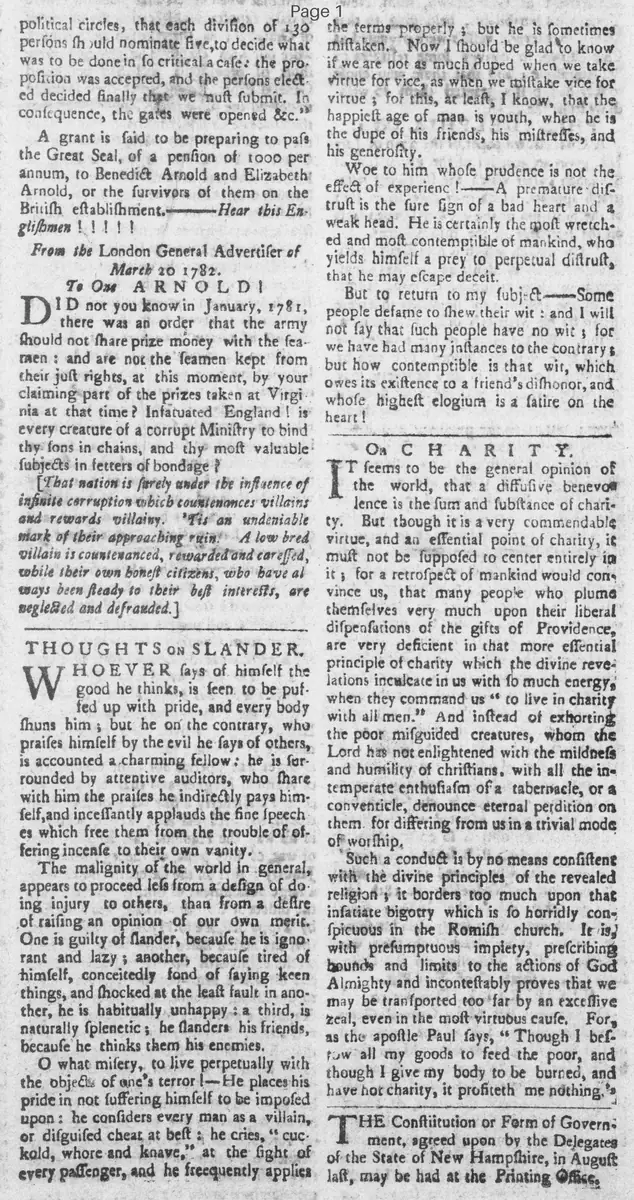
THOUGHTS ON SLANDER.
H O E V E R says of himself the good he thinks, is seen to be puffed up with pride, and every body shuns him; but he on the contrary, who praises himself by the evil he says of others, is accounted a charming fellow: he is surrounded by attentive auditors, who share with him the praises he indirectly pays himself, and incessantly applauds the fine speeches which free them from the trouble of offering incense to their own vanity.
The malignity of the world in general, appears to proceed less from a design of doing injury to others, than from a desire of raising an opinion of our own merit.
One is guilty of slander, because he is ignorant and lazy; another, because tired of himself, conceitedly fond of saying keen things, and shocked at the least fault in another, he is habitually unhappy: a third, is naturally splenetic; he slanders his friends, because he thinks them his enemies.
O what misery, to live perpetually with the objects of one's terror—He places his pride in not suffering himself to be imposed upon: he considers every man as a villain, or disguised cheat at best: he cries, "cuckold, whore and knave." at the sight of every passenger, and he frequently applies the terms properly; but he is sometimes mistaken. Now I should be glad to know if we are not as much duped when we take virtue for vice, as when we mistake vice for virtue: for this, at least, I know, that the happiest age of man is youth, when he is the dupe of his friends, his mistress, and his generosity.
Woe to him whose prudence is not the effect of experience!—A premature distrust is the sure sign of a bad heart and a weak head. He is certainly the most wretched and most contemptible of mankind, who yields himself a prey to perpetual distrust, that he may escape deceit.
But to return to my subject—Some people defame to shew their wit: and I will not say that such people have no wit; for we have had many instances to the contrary; but how contemptible is that wit, which owes its existence to a friend's dishonor, and whose highest elogium is a satire on the heart!
H O E V E R says of himself the good he thinks, is seen to be puffed up with pride, and every body shuns him; but he on the contrary, who praises himself by the evil he says of others, is accounted a charming fellow: he is surrounded by attentive auditors, who share with him the praises he indirectly pays himself, and incessantly applauds the fine speeches which free them from the trouble of offering incense to their own vanity.
The malignity of the world in general, appears to proceed less from a design of doing injury to others, than from a desire of raising an opinion of our own merit.
One is guilty of slander, because he is ignorant and lazy; another, because tired of himself, conceitedly fond of saying keen things, and shocked at the least fault in another, he is habitually unhappy: a third, is naturally splenetic; he slanders his friends, because he thinks them his enemies.
O what misery, to live perpetually with the objects of one's terror—He places his pride in not suffering himself to be imposed upon: he considers every man as a villain, or disguised cheat at best: he cries, "cuckold, whore and knave." at the sight of every passenger, and he frequently applies the terms properly; but he is sometimes mistaken. Now I should be glad to know if we are not as much duped when we take virtue for vice, as when we mistake vice for virtue: for this, at least, I know, that the happiest age of man is youth, when he is the dupe of his friends, his mistress, and his generosity.
Woe to him whose prudence is not the effect of experience!—A premature distrust is the sure sign of a bad heart and a weak head. He is certainly the most wretched and most contemptible of mankind, who yields himself a prey to perpetual distrust, that he may escape deceit.
But to return to my subject—Some people defame to shew their wit: and I will not say that such people have no wit; for we have had many instances to the contrary; but how contemptible is that wit, which owes its existence to a friend's dishonor, and whose highest elogium is a satire on the heart!
What sub-type of article is it?
Essay
What themes does it cover?
Moral Virtue
Social Manners
What keywords are associated?
Slander
Pride
Malignity
Distrust
Wit
Virtue
Vice
Youth
Friendship
Literary Details
Title
Thoughts On Slander.
Key Lines
The Malignity Of The World In General, Appears To Proceed Less From A Design Of Doing Injury To Others, Than From A Desire Of Raising An Opinion Of Our Own Merit.
O What Misery, To Live Perpetually With The Objects Of One's Terror—He Places His Pride In Not Suffering Himself To Be Imposed Upon: He Considers Every Man As A Villain, Or Disguised Cheat At Best: He Cries, "Cuckold, Whore And Knave." At The Sight Of Every Passenger, And He Frequently Applies The Terms Properly; But He Is Sometimes Mistaken.
Now I Should Be Glad To Know If We Are Not As Much Duped When We Take Virtue For Vice, As When We Mistake Vice For Virtue: For This, At Least, I Know, That The Happiest Age Of Man Is Youth, When He Is The Dupe Of His Friends, His Mistress, And His Generosity.
Woe To Him Whose Prudence Is Not The Effect Of Experience!—A Premature Distrust Is The Sure Sign Of A Bad Heart And A Weak Head.
How Contemptible Is That Wit, Which Owes Its Existence To A Friend's Dishonor, And Whose Highest Elogium Is A Satire On The Heart!