Thank you for visiting SNEWPapers!
Sign up free
Literary
April 12, 1876
Public Ledger
Memphis, Shelby County, Tennessee
What is this article about?
An essay titled 'Attic Salt' praises the value of witty, light conversation at meals for enhancing enjoyment and digestion, contrasting it with serious discourse. It references Thackeray, Rabelais, Lamb, Johnson, and others whose table talk contributed to their fame, advocating for 'Attic salt' to season feasts.
Clipping
OCR Quality
98%
Excellent
Full Text
Attic Salt.
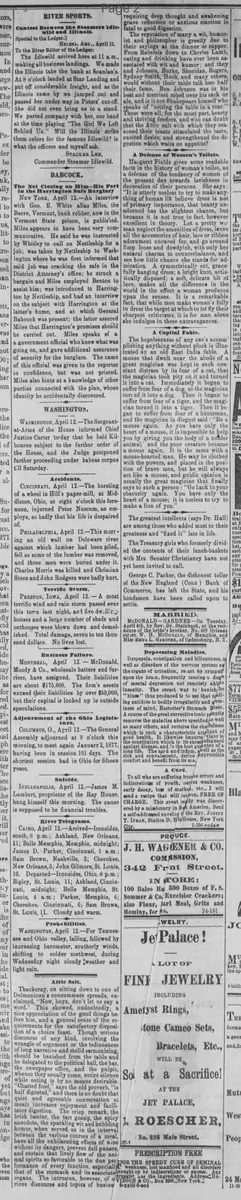
Thackeray, on sitting down to one of Delmonico's consummate spreads, exclaimed, "Now, boys, don't let us say a word." This showed, undoubtedly, a nice appreciation of the good things before him, and a general sense of the requirements for the satisfactory disposition of a choice feast. Though serious discourse of any kind, involving the wrangle of argument or the tediousness of long narrative and stolid sermonizing, should be banished from the table and be delegated to the political hall, the bar, the newspaper office, and the pulpit, whence they usually come, entire silence while eating is by no means desirable. "Chewed food," says the old proverb, "is half digested," and there is no doubt that quiet and agreeable conversation at meals increases enjoyment and facilitates digestion. The crisp remark, the brisk banter, the tart gossip, the spicy anecdote, the sparkling wit and bubbling humor, when served us in the interval between the various courses of a meal, have all the exhilarating effects of wine without its dangers, prevent dull pauses, and sustain that lively flow of the animal spirits so favorable to the due performance of every function, especially that of the stomach and its associate organs. The intrusion, however, of serious discourse and topics of business requiring deep thought and awakening grave reflection or anxious emotion is fatal to good digestion. The reputation of many a wit, humorist and philosopher is greatly due to their sayings at the dinner or supper. From Rabelais down to Charles Lamb, eating and drinking have ever been associated with wit and humor; and they and Johnson, Burke, Sheridan, Rogers, Sydney Smith, Hook, and many others, would without their table talk lose half their fame. Ben Jonson was in his best and merriest mood over his sack or ale, and is it not Shakespeare himself who speaks of "setting the table in a roar." These were all, for the most part, hearty and thriving feeders, and who can doubt that the Attic salt with which they seasoned their feasts stimulated the taste, excited desire, and strengthened the digestion which waits on appetite?
Thackeray, on sitting down to one of Delmonico's consummate spreads, exclaimed, "Now, boys, don't let us say a word." This showed, undoubtedly, a nice appreciation of the good things before him, and a general sense of the requirements for the satisfactory disposition of a choice feast. Though serious discourse of any kind, involving the wrangle of argument or the tediousness of long narrative and stolid sermonizing, should be banished from the table and be delegated to the political hall, the bar, the newspaper office, and the pulpit, whence they usually come, entire silence while eating is by no means desirable. "Chewed food," says the old proverb, "is half digested," and there is no doubt that quiet and agreeable conversation at meals increases enjoyment and facilitates digestion. The crisp remark, the brisk banter, the tart gossip, the spicy anecdote, the sparkling wit and bubbling humor, when served us in the interval between the various courses of a meal, have all the exhilarating effects of wine without its dangers, prevent dull pauses, and sustain that lively flow of the animal spirits so favorable to the due performance of every function, especially that of the stomach and its associate organs. The intrusion, however, of serious discourse and topics of business requiring deep thought and awakening grave reflection or anxious emotion is fatal to good digestion. The reputation of many a wit, humorist and philosopher is greatly due to their sayings at the dinner or supper. From Rabelais down to Charles Lamb, eating and drinking have ever been associated with wit and humor; and they and Johnson, Burke, Sheridan, Rogers, Sydney Smith, Hook, and many others, would without their table talk lose half their fame. Ben Jonson was in his best and merriest mood over his sack or ale, and is it not Shakespeare himself who speaks of "setting the table in a roar." These were all, for the most part, hearty and thriving feeders, and who can doubt that the Attic salt with which they seasoned their feasts stimulated the taste, excited desire, and strengthened the digestion which waits on appetite?
What sub-type of article is it?
Essay
What themes does it cover?
Social Manners
What keywords are associated?
Attic Salt
Table Talk
Witty Conversation
Digestion
Wit And Humor
Social Manners
Famous Wits
Literary Details
Title
Attic Salt.
Subject
On The Value Of Witty Conversation At Meals
Key Lines
Thackeray, On Sitting Down To One Of Delmonico's Consummate Spreads, Exclaimed, "Now, Boys, Don't Let Us Say A Word."
"Chewed Food," Says The Old Proverb, "Is Half Digested,"
The Crisp Remark, The Brisk Banter, The Tart Gossip, The Spicy Anecdote, The Sparkling Wit And Bubbling Humor...
From Rabelais Down To Charles Lamb, Eating And Drinking Have Ever Been Associated With Wit And Humor;
Who Can Doubt That The Attic Salt With Which They Seasoned Their Feasts Stimulated The Taste, Excited Desire, And Strengthened The Digestion Which Waits On Appetite?