Thank you for visiting SNEWPapers!
Sign up free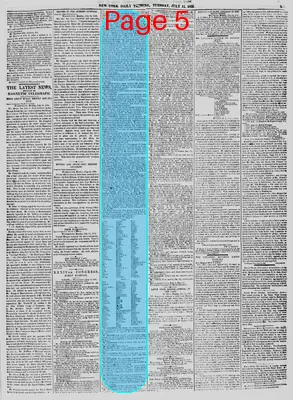
Story
July 15, 1856
New York Daily Tribune
New York, New York County, New York
What is this article about?
In the U.S. House, members debate the assault by Rep. Preston Brooks on Sen. Charles Sumner. Resolutions to disapprove the act and deny jurisdiction fail; expulsion vote (121-95) lacks two-thirds majority. Brooks seeks to speak on privilege amid procedural disputes.
Clipping

OCR Quality
80%
Good
Full Text
The Committee ought to censure him because having been informed of the contemplated assault, he did not take the means to prevent it. Now he thought, if any one was in danger at that time, it was Mr. Brooks who had only a walking stick, while a report had gone out that Mr. Sumner was armed. He would have degraded himself had he revealed what had been privately said to him by Mr. Brooks. The condemnation of the House could produce no change in his mind on that point. If he was to be punished for not turning traitor to a friend—if he was to be degraded for this—then he was ready for his sentence. He had no idea of taking any part in the occurrence, unless some third party should attempt foul play on either side. In that event he would have adopted the Kentucky and Virginia doctrine, and insisted upon fair play. He was there to do justice, and nothing more. This was the only ground on which he was invited to be present nor would he have been there on any other terms. The Committee in their report say his conduct was "reprehensible." That was an unjust word, and wounded his sensibilities. He said, in response to a question by Mr. Dunn, that the first intimation he had that the Committee designed censuring him was from the correspondence of a newspaper; and further, he could have satisfied the Committee, had he had an opportunity, that he would have interfered only in the case of foul play.
Mr. PENNINGTON said, so far as he was concerned, he was anxious that Mr. Edmundson should be heard before the Committee, but the gentleman made no such request, and he (Pennington) came to the conclusion that he (Edmundson) had abandoned the desire to be so heard.
Mr. EDMUNDSON replied it was too late for him to avail himself of that courtesy after the character of the Report had been determined. As justice had been denied him in the first place, he preferred appealing to the House.
Mr. ORR desired to know whether Mr. Sumner's testimony was, on the evening of the same day that it was taken, furnished to the press by the authority or connivance of the Committee?
Mr. CAMPBELL (Ohio) gave this an emphatic and unequivocal denial.
Mr. COBB (Ga.) corroborated the statement, saying the testimony alluded to was not procured from any one whatever connected with the Committee.
Mr. CAMPBELL (Ohio) said that Mr. Orr had made a charge which involved his integrity as a Member, namely: "That the Committee had sought by this Report to make political capital."
Mr. ORR replied—He did not impugn the motives of the gentleman or his associates, but the Report itself looked as if they had gone into the investigation to make Presidential capital. He stated expressly he did not intend to reflect personally on the gentleman.
Mr. CAMPBELL expressed himself satisfied. He said that up to this morning he had not only been willing but anxious that the gentlemen implicated in this transaction should present their facts. He argued that the real question involved strikes at the very existence of the Government—whether the People shall have the power to govern, or whether the Constitution and the laws shall be on one side, and freedom of the cudgel on the other.
The House then voted on the substitute of Mr. English, that "the House declares its disapprobation of the assault, and deems this a fit occasion to express its disapprobation of the use of language in debate personally offensive to individual members of Congress or States of the Union."
Disagreed to by a vote of 35 Yeas against 174 Nays.
The House now voted on the substitute of the minority for the resolutions of the majority, namely: That the House has no jurisdiction over the assault committed by Mr. Brooks on Mr. Sumner, and therefore deems it improper to express any opinion on the subject.
Rejected by Yeas, 66: Nays, 145.
YEAS—Messrs. Aiken, Barksdale, Ball, Bennett (Miss.) Bocock, Bowie, Boyce, Branch, Burnett, Caruthers, Cobb (Ala.), Cobb (Ga.), Crawford, Davidson, Denver, Doolittle, Elliott Eustis, Faulkner, Florence, Foster, Greenwood, Hall (Mo.), Harris (Ala.), Harris (Ill.), Houston, Jewett, Jones (Tenn.), Jones (Pa.), Keitt, Lake, Letcher, Lindley, Lumpkin, Maxwell, McMillan, McQueen, Oliver of Mo., Orr, Phelps, Porter, Powell, Quitman, Ready, Rivers, Ruffin, Rust, Sandidge, Savage, Seward, Shorter, Smith of Va., Smith of Tenn., Snead, Stephens, Talbot, Taylor, Trippe, Walker, Warner, Watkins, Wheeler, Wise, Wright of Miss., Wright of Tenn.
NAYS—Albright, Allen, Allison, Ball, Barbour, Bennett (N. Y.), Benson, Billinghurst, Bingham, Bishop, Bliss, Bradshaw, Brenton, Broom, Buffinton, Burlingame, Campbell (Penn.), Campbell (Ohio), Carlisle, Chaffee, Clarke (N. Y.), Clark (Conn.), Clawson, Clingman, Colfax, Comins, Covode, Cox, Cragin, Cullen, Cumback, Damrell, Davis (Md.), Davis (Mass.), Dean, De Witt, Dick, Dickson, Dodd, Dunn, Durfee, Edie, Edwards, Emrie, English, Etheridge, Evans, Galloway, Giddings, Gilbert, Granger, Grow, Hall (Mass.), Harlan, Harris (Md.), Hastings, Haven, Hickman, Hoffman, Holloway, Horton (N. Y.), Horton (Ohio), Howard, Hugheston, Kelsey, King, Knapp, Knight, Knowlton, Knox, Kunkel, Leiter, A. K. Marshall (Ky.), Saml. S. Marshall (Ill.), Humphrey Marshall (Ky.), Mateeson, McCarty, Meacham, Miller (N. Y.), Miller (Ind.), Millward, Moore, Morgan, Morrill, Mott, Murray, Nichols, Norton, Oliver (N. Y.), Packer, Parker, Pearce, Peck, Pelton, Pennington, Perry, Pettit, Pike, Pringle, Purviance, Purvear, Reade, Reynolds, Ritchie, Robbins, Robison, Sabin, Sage, Sapp, Scott, Sherman, Simmons, Smith (Ala.), Spinner, Stanton, Stewart, Stranahan, Swope, Tappan, Thorington, Thurston, Tidd, Trafton, Trippe, Tyson, Underwood, Vail, Wade, Wakeman, Weibridge, Waldron, Washburne (Wis.), Washburne (Ill.), Washburn (Me.), Watson, Welch, Wells, Whitney, Williams, Wood, Woodruff, Woodworth, Zollicoffer.
The House next voted, first, on the resolution of the majority of the Committee—“That Preston S. Brooks be and he is forthwith expelled from this House as a Representative from South Carolina.”
The result was—
Yeas 121: Nays 95
The SPEAKER—The House has refused to agree to the resolution, there not being a two-thirds vote in the affirmative, as required by the Constitution thereon.
Mr. BROOKS now rose to a question of privilege, saying he felt that the rights of his constituents and the rights of members had been violated by the action of the House,
Mr. GIDDINGS—I wish to know what the question of privilege is.
Mr. BROOKS—I will state it,
the House, that the gentleman from South Carolina be heard.
Mr. DUNN—I ask, by the unanimous consent of consent. I object to anything but order from that gentleman.
Mr. GIDDINGS—For one, I shall give no such
gentleman.
The SPEAKER—The gentleman from South Carolina
lina states that he rises to a privileged question.
Mr. DUNN—I trust that the House will entertain a motion for a suspension of the rules
gentleman from speaking heretofore. It was proper
Mr. NICHOLS—Delicacy may have prevented the truth and justice against keeping him silent if he desires to speak. he should be heard now. I protest in the name of
tesy and decency to deprive him of the privilege.
Mr. EUSTIS—It would be a gross violation of courtesy
jection. It was not in order for Mr. Giddings to object
lina had risen and was stating his question without ob-
Mr. FLORENCE—The gentleman from South Carolina—
to his proceeding.
men from Ohio to raise a question of order
The SPEAKER—It was competent for the gentle-
ity and doubt not to have a speech out of order
Mr. GIDDINGS—We have voted and done our
Mr. PENNINGTON said, so far as he was concerned, he was anxious that Mr. Edmundson should be heard before the Committee, but the gentleman made no such request, and he (Pennington) came to the conclusion that he (Edmundson) had abandoned the desire to be so heard.
Mr. EDMUNDSON replied it was too late for him to avail himself of that courtesy after the character of the Report had been determined. As justice had been denied him in the first place, he preferred appealing to the House.
Mr. ORR desired to know whether Mr. Sumner's testimony was, on the evening of the same day that it was taken, furnished to the press by the authority or connivance of the Committee?
Mr. CAMPBELL (Ohio) gave this an emphatic and unequivocal denial.
Mr. COBB (Ga.) corroborated the statement, saying the testimony alluded to was not procured from any one whatever connected with the Committee.
Mr. CAMPBELL (Ohio) said that Mr. Orr had made a charge which involved his integrity as a Member, namely: "That the Committee had sought by this Report to make political capital."
Mr. ORR replied—He did not impugn the motives of the gentleman or his associates, but the Report itself looked as if they had gone into the investigation to make Presidential capital. He stated expressly he did not intend to reflect personally on the gentleman.
Mr. CAMPBELL expressed himself satisfied. He said that up to this morning he had not only been willing but anxious that the gentlemen implicated in this transaction should present their facts. He argued that the real question involved strikes at the very existence of the Government—whether the People shall have the power to govern, or whether the Constitution and the laws shall be on one side, and freedom of the cudgel on the other.
The House then voted on the substitute of Mr. English, that "the House declares its disapprobation of the assault, and deems this a fit occasion to express its disapprobation of the use of language in debate personally offensive to individual members of Congress or States of the Union."
Disagreed to by a vote of 35 Yeas against 174 Nays.
The House now voted on the substitute of the minority for the resolutions of the majority, namely: That the House has no jurisdiction over the assault committed by Mr. Brooks on Mr. Sumner, and therefore deems it improper to express any opinion on the subject.
Rejected by Yeas, 66: Nays, 145.
YEAS—Messrs. Aiken, Barksdale, Ball, Bennett (Miss.) Bocock, Bowie, Boyce, Branch, Burnett, Caruthers, Cobb (Ala.), Cobb (Ga.), Crawford, Davidson, Denver, Doolittle, Elliott Eustis, Faulkner, Florence, Foster, Greenwood, Hall (Mo.), Harris (Ala.), Harris (Ill.), Houston, Jewett, Jones (Tenn.), Jones (Pa.), Keitt, Lake, Letcher, Lindley, Lumpkin, Maxwell, McMillan, McQueen, Oliver of Mo., Orr, Phelps, Porter, Powell, Quitman, Ready, Rivers, Ruffin, Rust, Sandidge, Savage, Seward, Shorter, Smith of Va., Smith of Tenn., Snead, Stephens, Talbot, Taylor, Trippe, Walker, Warner, Watkins, Wheeler, Wise, Wright of Miss., Wright of Tenn.
NAYS—Albright, Allen, Allison, Ball, Barbour, Bennett (N. Y.), Benson, Billinghurst, Bingham, Bishop, Bliss, Bradshaw, Brenton, Broom, Buffinton, Burlingame, Campbell (Penn.), Campbell (Ohio), Carlisle, Chaffee, Clarke (N. Y.), Clark (Conn.), Clawson, Clingman, Colfax, Comins, Covode, Cox, Cragin, Cullen, Cumback, Damrell, Davis (Md.), Davis (Mass.), Dean, De Witt, Dick, Dickson, Dodd, Dunn, Durfee, Edie, Edwards, Emrie, English, Etheridge, Evans, Galloway, Giddings, Gilbert, Granger, Grow, Hall (Mass.), Harlan, Harris (Md.), Hastings, Haven, Hickman, Hoffman, Holloway, Horton (N. Y.), Horton (Ohio), Howard, Hugheston, Kelsey, King, Knapp, Knight, Knowlton, Knox, Kunkel, Leiter, A. K. Marshall (Ky.), Saml. S. Marshall (Ill.), Humphrey Marshall (Ky.), Mateeson, McCarty, Meacham, Miller (N. Y.), Miller (Ind.), Millward, Moore, Morgan, Morrill, Mott, Murray, Nichols, Norton, Oliver (N. Y.), Packer, Parker, Pearce, Peck, Pelton, Pennington, Perry, Pettit, Pike, Pringle, Purviance, Purvear, Reade, Reynolds, Ritchie, Robbins, Robison, Sabin, Sage, Sapp, Scott, Sherman, Simmons, Smith (Ala.), Spinner, Stanton, Stewart, Stranahan, Swope, Tappan, Thorington, Thurston, Tidd, Trafton, Trippe, Tyson, Underwood, Vail, Wade, Wakeman, Weibridge, Waldron, Washburne (Wis.), Washburne (Ill.), Washburn (Me.), Watson, Welch, Wells, Whitney, Williams, Wood, Woodruff, Woodworth, Zollicoffer.
The House next voted, first, on the resolution of the majority of the Committee—“That Preston S. Brooks be and he is forthwith expelled from this House as a Representative from South Carolina.”
The result was—
Yeas 121: Nays 95
The SPEAKER—The House has refused to agree to the resolution, there not being a two-thirds vote in the affirmative, as required by the Constitution thereon.
Mr. BROOKS now rose to a question of privilege, saying he felt that the rights of his constituents and the rights of members had been violated by the action of the House,
Mr. GIDDINGS—I wish to know what the question of privilege is.
Mr. BROOKS—I will state it,
the House, that the gentleman from South Carolina be heard.
Mr. DUNN—I ask, by the unanimous consent of consent. I object to anything but order from that gentleman.
Mr. GIDDINGS—For one, I shall give no such
gentleman.
The SPEAKER—The gentleman from South Carolina
lina states that he rises to a privileged question.
Mr. DUNN—I trust that the House will entertain a motion for a suspension of the rules
gentleman from speaking heretofore. It was proper
Mr. NICHOLS—Delicacy may have prevented the truth and justice against keeping him silent if he desires to speak. he should be heard now. I protest in the name of
tesy and decency to deprive him of the privilege.
Mr. EUSTIS—It would be a gross violation of courtesy
jection. It was not in order for Mr. Giddings to object
lina had risen and was stating his question without ob-
Mr. FLORENCE—The gentleman from South Carolina—
to his proceeding.
men from Ohio to raise a question of order
The SPEAKER—It was competent for the gentle-
ity and doubt not to have a speech out of order
Mr. GIDDINGS—We have voted and done our
What sub-type of article is it?
Historical Event
Crime Story
What themes does it cover?
Justice
Crime Punishment
What keywords are associated?
Congressional Debate
Sumner Assault
Brooks Expulsion
House Vote
Political Controversy
What entities or persons were involved?
Preston S. Brooks
Charles Sumner
Mr. Edmundson
Mr. Pennington
Mr. Orr
Mr. Campbell (Ohio)
Mr. Cobb (Ga.)
Mr. English
Mr. Dunn
Mr. Giddings
Where did it happen?
The House
Story Details
Key Persons
Preston S. Brooks
Charles Sumner
Mr. Edmundson
Mr. Pennington
Mr. Orr
Mr. Campbell (Ohio)
Mr. Cobb (Ga.)
Mr. English
Mr. Dunn
Mr. Giddings
Location
The House
Story Details
Debate in the House on censuring or expelling Rep. Preston S. Brooks for assaulting Sen. Charles Sumner. Mr. Edmundson defends his inaction. Votes reject substitutes disapproving the assault and denying jurisdiction, then fail to expel Brooks (121-95, short of two-thirds). Brooks rises on a question of privilege amid objections.