Thank you for visiting SNEWPapers!
Sign up free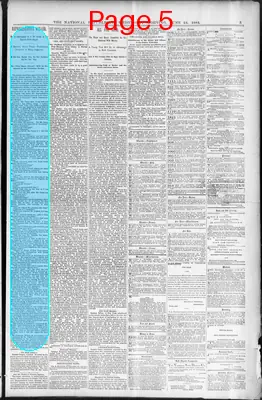
Story
June 18, 1884
National Republican (Washington City
Washington, District Of Columbia
What is this article about?
Congressional committee examines witnesses in lobbying probe over English-Peelle House election contest. Rep. Weller's evasive testimony on interactions with Pusey and English highlighted; no direct bribery alleged. Pusey and Wilson deny impropriety. English to testify next.
Clipping

OCR Quality
98%
Excellent
Full Text
REPRESENTATIVE WELLER
He is Interrogated as to His Action in the English-Peelle Contest.
A Memory Which Proves Remarkably Uncertain in Many Instances.
He Had Seen English Pere, But That Gentleman Did Not "See" Him.
The "Poor Man's Friend" Will be Examined by the Committee To-day.
The special committee appointed to investigate the charges against Hon. Wm. H. English and others (unnamed) of lobbying on the house floor in the interest of his son in the contested election case of English vs. Peelle, began the examination of witnesses yesterday.
Representative Weller, of Iowa, was called.
"After you had voted to lay the motion of reconsideration on the table, the day that Mr. English was seated, did Representative Pusey, of Iowa, request you to go to the democratic side of the house?" asked Representative Millard.
Answer. "Mr. Pusey came to my desk and asked how I was getting along. I replied, first rate; that I had just gotten a telegram from my wife and daughter to meet them at the depot. I invited Mr. Pusey to come and see me, and he took my address on a piece of paper. I said I was going to the station, and he said he wished I would remain and vote on the English-Peelle case. I replied that I had not voted on the merits of the case, and did not propose to; that I was going to see my wife and daughter."
"You evade the question. Did Mr. Pusey ask you to go to the other side of the house?"
"I don't remember."
"Did you go with him?"
"I don't remember."
"Did you follow Mr. Pusey in a very few moments?"
"I can't tell you that."
"While he was sitting by you was there any discussion regarding the election case?"
"I don't remember."
"You had just voted to lay the motion on the table, which was against English. Mr. Pusey wanted you to stay and vote. He was on the other side. Did you understand he was voting for English?"
"There was no understanding about it, but I had the general impression that being a democrat he would. I would have voted for English from the first to the last except for some democratic member who made a speech for English. I don't remember his name."
"When you went away you knew Peelle would lose his seat?"
"I knew no such thing."
"The vote was a tie?"
"I had no idea it would remain the same. The vote was changing constantly."
"You know of no particular man coming in?"
"I do not."
"When you went to the other side of the house (democratic), did you see English, the father?"
"I think not."
"Did you see the son?"
"I did."
"Did you converse with him?"
"I did; I saw him on my way as I was passing out of the hall."
"How soon was this after Mr. Pusey had been to your seat?"
"I don't know."
"About how long?"
"I don't remember any circumstance which would warrant me in confining the time within half an hour. It may have been fifteen minutes, five minutes, or three minutes."
"Did you vote on the question after that?"
"I did not, if I remember."
"When you returned Mr. English had been sworn in?"
"If my memory serves me right, I think the last vote was being taken."
"Don't you know, Mr. Weller, that some were laughing about your absence?"
"My memory is not very clear. I have some impression that Mr. English was being sworn in."
"Can you tell what time you received your telegram from your wife?"
"I cannot. When I got home I found I had made a mistake of just about one hour in the time of the arrival of the train."
"Had you seen Mr. English, the father previous to the balloting?"
"I was introduced to him on the floor of the house by some one. I asked if he was related to the democratic candidate for the vice presidency four years ago, and he said he was the identical man. Mr. English never made an offer or any suggestion that I should receive money."
"There's no charge of that kind against you. Was your conversation with young English about the case?"
"My mind was intent on meeting my wife and child. He suggested that I remain, and said he would be pleased to have me remain and vote. This was as I was leaving the hall. I don't remember of his asking me to vote for him, but I inferred that."
"Why should he want you to remain when you had just voted against him?"
"I don't know. The day after the vote was taken, when I had made a personal explanation on the floor of the house, Mr. Wilson, of Iowa, said he was sorry that I had made the explanation. He said that Mr. Bayne, when he referred the day before in his speech, to some one having left the hall did not mean me. I was never importuned by any one, except Mr. Peelle. He said he didn't want me to do anything improper, but he would be glad of my assistance. He did or said nothing that was improper."
Mr. Pusey, of Iowa, was called, and in answer to inquiries said that he went to Weller's seat, and while there was told of the expected arrival of Mrs. Weller and her daughter. He continued:
"I said this is a close case and that I would like to have our delegation go together. He said he was going to meet his wife, and I replied that it made no difference if he did go; English would be seated."
"Have you so stated to any member that you requested Mr. Weller to go to the other side of the house?" asked Mr. Millard.
"I never told a living soul. There was a great deal of laughing about Weller and about me sitting by him, taking a piece of paper out of my pocket, writing something on it, walking away, and subsequently his leaving. The next day members joked about it and asked where was my friend Weller."
"My memory is refreshed," interposed Mr. Weller, "after listening to my colleague, Mr. Pusey. When I returned to the floor of the house this matter was mentioned. I thought it was a joke on me, and didn't regard it seriously until I saw the papers the next day."
Mr. Jeremiah Wilson, an ex-member, and an attorney for Mr. Peelle, who was charged with lobbying in the interest of his client, testified that he had not been on the house floor more than fifteen minutes of this session. He said he never lobbied any member directly or indirectly about the case.
Mr. W. H. English will be examined by the committee to-day.
He is Interrogated as to His Action in the English-Peelle Contest.
A Memory Which Proves Remarkably Uncertain in Many Instances.
He Had Seen English Pere, But That Gentleman Did Not "See" Him.
The "Poor Man's Friend" Will be Examined by the Committee To-day.
The special committee appointed to investigate the charges against Hon. Wm. H. English and others (unnamed) of lobbying on the house floor in the interest of his son in the contested election case of English vs. Peelle, began the examination of witnesses yesterday.
Representative Weller, of Iowa, was called.
"After you had voted to lay the motion of reconsideration on the table, the day that Mr. English was seated, did Representative Pusey, of Iowa, request you to go to the democratic side of the house?" asked Representative Millard.
Answer. "Mr. Pusey came to my desk and asked how I was getting along. I replied, first rate; that I had just gotten a telegram from my wife and daughter to meet them at the depot. I invited Mr. Pusey to come and see me, and he took my address on a piece of paper. I said I was going to the station, and he said he wished I would remain and vote on the English-Peelle case. I replied that I had not voted on the merits of the case, and did not propose to; that I was going to see my wife and daughter."
"You evade the question. Did Mr. Pusey ask you to go to the other side of the house?"
"I don't remember."
"Did you go with him?"
"I don't remember."
"Did you follow Mr. Pusey in a very few moments?"
"I can't tell you that."
"While he was sitting by you was there any discussion regarding the election case?"
"I don't remember."
"You had just voted to lay the motion on the table, which was against English. Mr. Pusey wanted you to stay and vote. He was on the other side. Did you understand he was voting for English?"
"There was no understanding about it, but I had the general impression that being a democrat he would. I would have voted for English from the first to the last except for some democratic member who made a speech for English. I don't remember his name."
"When you went away you knew Peelle would lose his seat?"
"I knew no such thing."
"The vote was a tie?"
"I had no idea it would remain the same. The vote was changing constantly."
"You know of no particular man coming in?"
"I do not."
"When you went to the other side of the house (democratic), did you see English, the father?"
"I think not."
"Did you see the son?"
"I did."
"Did you converse with him?"
"I did; I saw him on my way as I was passing out of the hall."
"How soon was this after Mr. Pusey had been to your seat?"
"I don't know."
"About how long?"
"I don't remember any circumstance which would warrant me in confining the time within half an hour. It may have been fifteen minutes, five minutes, or three minutes."
"Did you vote on the question after that?"
"I did not, if I remember."
"When you returned Mr. English had been sworn in?"
"If my memory serves me right, I think the last vote was being taken."
"Don't you know, Mr. Weller, that some were laughing about your absence?"
"My memory is not very clear. I have some impression that Mr. English was being sworn in."
"Can you tell what time you received your telegram from your wife?"
"I cannot. When I got home I found I had made a mistake of just about one hour in the time of the arrival of the train."
"Had you seen Mr. English, the father previous to the balloting?"
"I was introduced to him on the floor of the house by some one. I asked if he was related to the democratic candidate for the vice presidency four years ago, and he said he was the identical man. Mr. English never made an offer or any suggestion that I should receive money."
"There's no charge of that kind against you. Was your conversation with young English about the case?"
"My mind was intent on meeting my wife and child. He suggested that I remain, and said he would be pleased to have me remain and vote. This was as I was leaving the hall. I don't remember of his asking me to vote for him, but I inferred that."
"Why should he want you to remain when you had just voted against him?"
"I don't know. The day after the vote was taken, when I had made a personal explanation on the floor of the house, Mr. Wilson, of Iowa, said he was sorry that I had made the explanation. He said that Mr. Bayne, when he referred the day before in his speech, to some one having left the hall did not mean me. I was never importuned by any one, except Mr. Peelle. He said he didn't want me to do anything improper, but he would be glad of my assistance. He did or said nothing that was improper."
Mr. Pusey, of Iowa, was called, and in answer to inquiries said that he went to Weller's seat, and while there was told of the expected arrival of Mrs. Weller and her daughter. He continued:
"I said this is a close case and that I would like to have our delegation go together. He said he was going to meet his wife, and I replied that it made no difference if he did go; English would be seated."
"Have you so stated to any member that you requested Mr. Weller to go to the other side of the house?" asked Mr. Millard.
"I never told a living soul. There was a great deal of laughing about Weller and about me sitting by him, taking a piece of paper out of my pocket, writing something on it, walking away, and subsequently his leaving. The next day members joked about it and asked where was my friend Weller."
"My memory is refreshed," interposed Mr. Weller, "after listening to my colleague, Mr. Pusey. When I returned to the floor of the house this matter was mentioned. I thought it was a joke on me, and didn't regard it seriously until I saw the papers the next day."
Mr. Jeremiah Wilson, an ex-member, and an attorney for Mr. Peelle, who was charged with lobbying in the interest of his client, testified that he had not been on the house floor more than fifteen minutes of this session. He said he never lobbied any member directly or indirectly about the case.
Mr. W. H. English will be examined by the committee to-day.
What sub-type of article is it?
Historical Event
Crime Story
What themes does it cover?
Justice
Deception
What keywords are associated?
Congressional Investigation
Lobbying Scandal
Election Contest
Weller Testimony
English Peelle Case
What entities or persons were involved?
Representative Weller
Hon. Wm. H. English
Peelle
Representative Pusey
Mr. Millard
Mr. Jeremiah Wilson
Where did it happen?
House Of Representatives
Story Details
Key Persons
Representative Weller
Hon. Wm. H. English
Peelle
Representative Pusey
Mr. Millard
Mr. Jeremiah Wilson
Location
House Of Representatives
Story Details
A congressional committee investigates lobbying charges in the English vs. Peelle election contest. Representative Weller testifies about his uncertain memory of interactions with Pusey and English, denying any improper influence. Pusey and Wilson also testify, clarifying events.