Thank you for visiting SNEWPapers!
Sign up free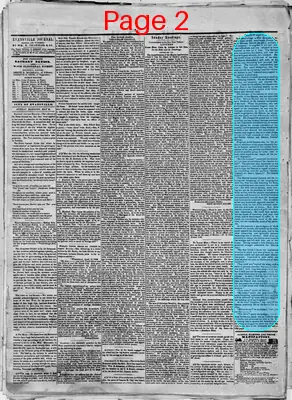
Story
May 21, 1848
The Evansville Daily Journal
Evansville, Vanderburgh County, Indiana
What is this article about?
In a New Hampshire village around 1800s, pious but stingy Deacon Slocum usurious loans lead to a church sermon exposing hypocrisy; he dreams of devilish temptation to quit the church, waking mid-service. (187 chars)
Clipping

OCR Quality
95%
Excellent
Full Text
DEACON SLOCUM.
In a small village in New Hampshire, resided about twenty years since, Deacon Lemuel Slocum, famous for piety, parsimony and property. A neighbor of his met with some difficulties, and was obliged to have resource to him for a loan. The Deacon gave him seventy-five dollars, and took his note with good security, for a hundred. Being unable to pay it at the end of the year, the Deacon demanded a new note, as his custom was, demanding both principal and interest. The borrower remonstrated, but in vain. The usual declaration, that, "he must provide for his family," and that "if simple interest is just," silenced every appeal to his justice or generosity.
The Deacon attended meeting as usual on the following Sabbath. On the afternoon of that day, the eccentric and talented Mr. —, chose for his subject, the admonitions of St. Paul to the Corinthian church, on the fifth chapter of the first epistle of the Corinthians, and eleventh verse.
The first part of the reproof, we must say, in justice to the Deacon, was not applicable to him. Deacon Slocum was no fornicator nor a drunkard, in the common acceptance of the word. When the preacher, who had previously been unusually languid, came to speak of the extortioner, he was very becomingly animated; so much so that the whole congregation, the Deacon not excepted, was highly excited with wonder and curiosity. He charged the people not to think extorting the less criminal because practised by the respectable and influential; he warned them against the vicious examples of the wealthy; and declared that if they would wish to receive and deserve the approbation of heaven, they ought in this, as in other things, to copy the bright example of their worthy and faithful brother and deacon, Lemuel Slocum.
Prepared, as the Deacon was, for the eccentric ebullition of the pious exhorter's fancy, he became amazed at this sudden development of his own peculiar excellencies, nor could he possibly guess, for some time at least, what might be the import of the parson's digression.
"Brother Lemuel," continued the preacher, "art thou an extortioner? No; heaven forbid!" The preacher then descanted on the sin of hypocrisy, and advised the audience still to copy the Deacon in regard to sincerity, concluding with the question, "Brother Lemuel, art thou a hypocrite? No; heaven forbid!"
The Deacon became alarmed, and the tittering and whispering of the congregation were far, very far, from removing his fears, that something more was meant than met the ear. But what was his dismay, when turning his eye on the preacher, he beheld his fixed on him, with the plainest expression of contempt and detestation! Still the discourse was continued, and still were the questions and exclamation reiterated. The members of his own household appeared absorbed in sorrow, while the rest of his audience observed him with looks of horror. How deep was his remorse of detected guilt, not of sincere repentance. He would have spoken, but the shame of conscious guilt kept him dumb, and he was doomed to suffer, in silence, the excruciating satire of the preacher, and the insufferable scorn of the assembly.
At this juncture a gentle figure, in black entered the church, and walked up the aisle, stood opposite the deacon's pew, and in the most insinuating and agreeable manner, beckoning him to advance. Glad of an opportunity to escape, the deacon went towards the stranger and followed him out of the house. Having walked a little distance, the generous stranger addressed the Deacon thus:
"My dear friend, I know the unpleasant situation in which you were placed by yon senseless rabble and their still more senseless priest. I hastened to your relief, and have adopted this plan to relieve you of their insolence."
"You think not," replied the other, with a smile of pleasant sarcasm, "but you mistake; you and I have long been acquainted, nor can I think you can be ungrateful to me for my many kindnesses to you, by refusing my request. In short, I find that you will more effectually serve my cause by withdrawing from the Church than continuing in it; and the circumstances of this day fully authorize you to break terms with these contemptible minions."
"Your cause?" quoth the deacon.
"My cause," quoth the gentleman, "or notwithstanding appearances, your example will be followed by many who will assist in the building up of my kingdom."
At the word "kingdom," the eyes of the deacon intuitively fell on the feet of his auditor.
"Mercy on me!" he exclaimed, "then you are the
"The devil!" quoth the stranger; and seizing the deacon, shook him so violently that he awoke, and perceived his wife in the act of rousing him to receive the benediction— he having prolonged his usual nap from the text to the final of the afternoon service.— Old paper.
In a small village in New Hampshire, resided about twenty years since, Deacon Lemuel Slocum, famous for piety, parsimony and property. A neighbor of his met with some difficulties, and was obliged to have resource to him for a loan. The Deacon gave him seventy-five dollars, and took his note with good security, for a hundred. Being unable to pay it at the end of the year, the Deacon demanded a new note, as his custom was, demanding both principal and interest. The borrower remonstrated, but in vain. The usual declaration, that, "he must provide for his family," and that "if simple interest is just," silenced every appeal to his justice or generosity.
The Deacon attended meeting as usual on the following Sabbath. On the afternoon of that day, the eccentric and talented Mr. —, chose for his subject, the admonitions of St. Paul to the Corinthian church, on the fifth chapter of the first epistle of the Corinthians, and eleventh verse.
The first part of the reproof, we must say, in justice to the Deacon, was not applicable to him. Deacon Slocum was no fornicator nor a drunkard, in the common acceptance of the word. When the preacher, who had previously been unusually languid, came to speak of the extortioner, he was very becomingly animated; so much so that the whole congregation, the Deacon not excepted, was highly excited with wonder and curiosity. He charged the people not to think extorting the less criminal because practised by the respectable and influential; he warned them against the vicious examples of the wealthy; and declared that if they would wish to receive and deserve the approbation of heaven, they ought in this, as in other things, to copy the bright example of their worthy and faithful brother and deacon, Lemuel Slocum.
Prepared, as the Deacon was, for the eccentric ebullition of the pious exhorter's fancy, he became amazed at this sudden development of his own peculiar excellencies, nor could he possibly guess, for some time at least, what might be the import of the parson's digression.
"Brother Lemuel," continued the preacher, "art thou an extortioner? No; heaven forbid!" The preacher then descanted on the sin of hypocrisy, and advised the audience still to copy the Deacon in regard to sincerity, concluding with the question, "Brother Lemuel, art thou a hypocrite? No; heaven forbid!"
The Deacon became alarmed, and the tittering and whispering of the congregation were far, very far, from removing his fears, that something more was meant than met the ear. But what was his dismay, when turning his eye on the preacher, he beheld his fixed on him, with the plainest expression of contempt and detestation! Still the discourse was continued, and still were the questions and exclamation reiterated. The members of his own household appeared absorbed in sorrow, while the rest of his audience observed him with looks of horror. How deep was his remorse of detected guilt, not of sincere repentance. He would have spoken, but the shame of conscious guilt kept him dumb, and he was doomed to suffer, in silence, the excruciating satire of the preacher, and the insufferable scorn of the assembly.
At this juncture a gentle figure, in black entered the church, and walked up the aisle, stood opposite the deacon's pew, and in the most insinuating and agreeable manner, beckoning him to advance. Glad of an opportunity to escape, the deacon went towards the stranger and followed him out of the house. Having walked a little distance, the generous stranger addressed the Deacon thus:
"My dear friend, I know the unpleasant situation in which you were placed by yon senseless rabble and their still more senseless priest. I hastened to your relief, and have adopted this plan to relieve you of their insolence."
"You think not," replied the other, with a smile of pleasant sarcasm, "but you mistake; you and I have long been acquainted, nor can I think you can be ungrateful to me for my many kindnesses to you, by refusing my request. In short, I find that you will more effectually serve my cause by withdrawing from the Church than continuing in it; and the circumstances of this day fully authorize you to break terms with these contemptible minions."
"Your cause?" quoth the deacon.
"My cause," quoth the gentleman, "or notwithstanding appearances, your example will be followed by many who will assist in the building up of my kingdom."
At the word "kingdom," the eyes of the deacon intuitively fell on the feet of his auditor.
"Mercy on me!" he exclaimed, "then you are the
"The devil!" quoth the stranger; and seizing the deacon, shook him so violently that he awoke, and perceived his wife in the act of rousing him to receive the benediction— he having prolonged his usual nap from the text to the final of the afternoon service.— Old paper.
What sub-type of article is it?
Biography
Deception Fraud
Dream Vision
What themes does it cover?
Deception
Moral Virtue
Justice
What keywords are associated?
Deacon Slocum
Extortion
Hypocrisy
Sermon
Dream
Devil
New Hampshire
What entities or persons were involved?
Deacon Lemuel Slocum
The Preacher
The Stranger
Where did it happen?
Small Village In New Hampshire
Story Details
Key Persons
Deacon Lemuel Slocum
The Preacher
The Stranger
Location
Small Village In New Hampshire
Event Date
About Twenty Years Since
Story Details
Parsimonious Deacon Slocum lends money at high interest to a neighbor. During a church sermon on extortion and hypocrisy seemingly aimed at him, he dreams of being tempted by the devil to leave the church, but awakens during the service.