Thank you for visiting SNEWPapers!
Sign up free
Literary
March 6, 1829
Daily Richmond Whig
Richmond, Virginia
What is this article about?
In this extract from Henry Mackenzie's 'Julia de Roubigné', a dying mother writes a letter to her daughter Julia, providing heartfelt advice on the duties of a wife: sweetness of temper, affection, attention to her husband's interests, handling misfortune with fortitude, and maintaining marital unity through gentleness without involving third parties.
Clipping
OCR Quality
98%
Excellent
Full Text
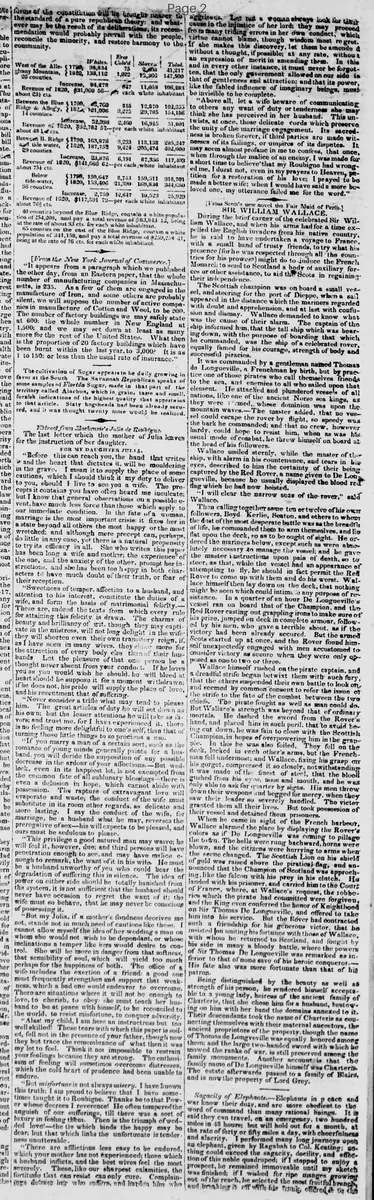
Extract from Mackenzie's Julia de Roubigne.
The last letter which the mother of Julia leaves for the instruction of her daughter.
FOR MY DAUGHTER JULIA.
"Before this can reach you, the hand that writes and the heart that dictates it, will be mouldering in the grave. I mean it to supply the place of some cautions, which I should think it my duty to deliver to you, should I live to see you a wife." The precepts it contains you have often heard me inculcate: but I know that general observations on a possible event, have much less force than those which apply to our immediate condition. In the fate of a woman, marriage is the most important crisis: it fixes her in a state beyond all others the most happy or the most wretched: and although mere precept can, perhaps, do little in any case, yet there is a natural propensity to try its efficacy in all. She who writes this paper has been long a wife and mother; the experience of the one, and the anxiety of the other, prompt her instructions, and she has been too happy in both characters to have much doubt of their truth, or fear of their reception.
"Sweetness of temper, affection to a husband, and attention to his interest, constitute the duties of a wife, and form the basis of matrimonial felicity.—These are, indeed the texts from which every rule for attaining this felicity is drawn. The charms of beauty and brilliancy of wit, though they may captivate in the mistress, will not long delight in the wife: they will shorten even their own transitory reign, if, as I have seen in many wives, they train more for the attraction of every body else than of their husbands. Let the pleasure of that one person be a thought never absent from your conduct." If he loves you as you would wish he should, he will bleed at heart should he suppose it for a moment withdrawn; if he does not, his pride will supply the place of love, and his resentment that of suffering.
"Never consider a trifle what may tend to please him. The great articles of duty he will set down as his own; but the lesser attentions he will take as favors; and trust me, for I have experienced it, there is no feeling more delightful to one's self, than that of turning those little things to so precious a use.
"If you marry a man of a certain sort, such as the romance of young minds generally paints for a husband, you will deride the supposition of any possible decrease in the ardour of your affections.—But wedlock, even in its happiest lot, is not exempted from the common fate of all sublunary blessings—there is even a delusion in hope, which cannot abide with possession. The rapture of extravagant love will evaporate and waste: the conduct of the wife must substitute in its room other regards, as delicate and more lasting. I say the conduct of the wife, for marriage, be a husband what he may, reverses the prerogative of sex—his will expects to be pleased, and ours must be sedulous to please.
"This privilege a good natured man may waive; he will feel it, however, due: and third persons will have penetration enough to see, and may have malice enough to remark, the want of it in his wife. He must be a husband unworthy of you who could bear the degradation of suffering this in silence. The idea of power on either side should be totally banished from the system, it is not sufficient that the husband should never have occasion to regret the want of it; the wife must so behave, that he may never be conscious of possessing it.
"But my Julia, if a mother's fondness deceives me not, stands not in much need of cautions like these. I cannot allow myself the idea of her wedding a man on whom she would not wish to be dependent, or whose inclinations a temper like hers would desire to control. She will be more in danger from that softness, that sensibility of soul, which will yield too much perhaps for the happiness of both. The office of a wife includes the exertion of a friend: a good one must frequently strengthen and support that weakness, which a bad one would endeavor to overcome. There are situations where it will not be enough to love, to cherish, to obey: she must teach her husband to be at peace with himself, to be reconciled to the world, to resist misfortune, to conquer adversity.
"Alas! my child, I am here an instructress but too well skilled! These tears with which this paper is soiled, fell not in the presence of your father, though now they but trace the remembrance of what then it was my lot to feel. Think it not impossible to restrain your feelings because they are strong. The enthusiasm of feeling will sometimes overcome distresses, which the cold heart of prudence had been unable to endure.
"But misfortune is not always misery. I have known this truth; I am proud to believe that I have sometimes taught it to Roubigne. Thanks be to that Power whose decrees I reverence! He often tempered the anguish of our sufferings, till there was a sort of luxury in feeling them. Then is the triumph of wedded love!—the tie which binds the happy may be dear; but that which links the unfortunate is tenderness unutterable.
"There are afflictions less easy to be endured, which your mother has not experienced; those which a husband inflicts, and the best wives feel the most severely. These, like our sharpest calamities, the fortitude that can resist can only cure. Complaints debase her who suffers, and harden him who aggrieves. Let not a woman always look for the cause in the injustice of her lord; they may proceed from many trifling errors in her own conduct, which virtue cannot blame, though wisdom must regret. If she makes this discovery, let them be amended without a thought, if possible; at any rate, without an expression of merit in amending them. In this and in every other instance, it must never be forgotten, that the only government allowed on our side is that of gentleness and attraction; and that its power, like the fabled influence of imaginary beings, must be invisible to be complete.
"Above all, let a wife beware of communicating to others any want of duty or tenderness she may think she has perceived in her husband. This untwists, at once, those delicate cords which preserve the unity of the marriage engagement. Its sacredness is broken forever, if third parties are made witnesses of its failings, or umpires of its disputes. It may seem almost profane in me to confess, that once, when through the malice of an enemy, I was made for a short time to believe that my Roubigne had wronged me, I durst not, even in my prayers to Heaven, petition for a restoration of his love; I prayed to be made a better wife: when I would have said a more beloved one, my utterance failed me for the word."
The last letter which the mother of Julia leaves for the instruction of her daughter.
FOR MY DAUGHTER JULIA.
"Before this can reach you, the hand that writes and the heart that dictates it, will be mouldering in the grave. I mean it to supply the place of some cautions, which I should think it my duty to deliver to you, should I live to see you a wife." The precepts it contains you have often heard me inculcate: but I know that general observations on a possible event, have much less force than those which apply to our immediate condition. In the fate of a woman, marriage is the most important crisis: it fixes her in a state beyond all others the most happy or the most wretched: and although mere precept can, perhaps, do little in any case, yet there is a natural propensity to try its efficacy in all. She who writes this paper has been long a wife and mother; the experience of the one, and the anxiety of the other, prompt her instructions, and she has been too happy in both characters to have much doubt of their truth, or fear of their reception.
"Sweetness of temper, affection to a husband, and attention to his interest, constitute the duties of a wife, and form the basis of matrimonial felicity.—These are, indeed the texts from which every rule for attaining this felicity is drawn. The charms of beauty and brilliancy of wit, though they may captivate in the mistress, will not long delight in the wife: they will shorten even their own transitory reign, if, as I have seen in many wives, they train more for the attraction of every body else than of their husbands. Let the pleasure of that one person be a thought never absent from your conduct." If he loves you as you would wish he should, he will bleed at heart should he suppose it for a moment withdrawn; if he does not, his pride will supply the place of love, and his resentment that of suffering.
"Never consider a trifle what may tend to please him. The great articles of duty he will set down as his own; but the lesser attentions he will take as favors; and trust me, for I have experienced it, there is no feeling more delightful to one's self, than that of turning those little things to so precious a use.
"If you marry a man of a certain sort, such as the romance of young minds generally paints for a husband, you will deride the supposition of any possible decrease in the ardour of your affections.—But wedlock, even in its happiest lot, is not exempted from the common fate of all sublunary blessings—there is even a delusion in hope, which cannot abide with possession. The rapture of extravagant love will evaporate and waste: the conduct of the wife must substitute in its room other regards, as delicate and more lasting. I say the conduct of the wife, for marriage, be a husband what he may, reverses the prerogative of sex—his will expects to be pleased, and ours must be sedulous to please.
"This privilege a good natured man may waive; he will feel it, however, due: and third persons will have penetration enough to see, and may have malice enough to remark, the want of it in his wife. He must be a husband unworthy of you who could bear the degradation of suffering this in silence. The idea of power on either side should be totally banished from the system, it is not sufficient that the husband should never have occasion to regret the want of it; the wife must so behave, that he may never be conscious of possessing it.
"But my Julia, if a mother's fondness deceives me not, stands not in much need of cautions like these. I cannot allow myself the idea of her wedding a man on whom she would not wish to be dependent, or whose inclinations a temper like hers would desire to control. She will be more in danger from that softness, that sensibility of soul, which will yield too much perhaps for the happiness of both. The office of a wife includes the exertion of a friend: a good one must frequently strengthen and support that weakness, which a bad one would endeavor to overcome. There are situations where it will not be enough to love, to cherish, to obey: she must teach her husband to be at peace with himself, to be reconciled to the world, to resist misfortune, to conquer adversity.
"Alas! my child, I am here an instructress but too well skilled! These tears with which this paper is soiled, fell not in the presence of your father, though now they but trace the remembrance of what then it was my lot to feel. Think it not impossible to restrain your feelings because they are strong. The enthusiasm of feeling will sometimes overcome distresses, which the cold heart of prudence had been unable to endure.
"But misfortune is not always misery. I have known this truth; I am proud to believe that I have sometimes taught it to Roubigne. Thanks be to that Power whose decrees I reverence! He often tempered the anguish of our sufferings, till there was a sort of luxury in feeling them. Then is the triumph of wedded love!—the tie which binds the happy may be dear; but that which links the unfortunate is tenderness unutterable.
"There are afflictions less easy to be endured, which your mother has not experienced; those which a husband inflicts, and the best wives feel the most severely. These, like our sharpest calamities, the fortitude that can resist can only cure. Complaints debase her who suffers, and harden him who aggrieves. Let not a woman always look for the cause in the injustice of her lord; they may proceed from many trifling errors in her own conduct, which virtue cannot blame, though wisdom must regret. If she makes this discovery, let them be amended without a thought, if possible; at any rate, without an expression of merit in amending them. In this and in every other instance, it must never be forgotten, that the only government allowed on our side is that of gentleness and attraction; and that its power, like the fabled influence of imaginary beings, must be invisible to be complete.
"Above all, let a wife beware of communicating to others any want of duty or tenderness she may think she has perceived in her husband. This untwists, at once, those delicate cords which preserve the unity of the marriage engagement. Its sacredness is broken forever, if third parties are made witnesses of its failings, or umpires of its disputes. It may seem almost profane in me to confess, that once, when through the malice of an enemy, I was made for a short time to believe that my Roubigne had wronged me, I durst not, even in my prayers to Heaven, petition for a restoration of his love; I prayed to be made a better wife: when I would have said a more beloved one, my utterance failed me for the word."
What sub-type of article is it?
Epistolary
Essay
What themes does it cover?
Moral Virtue
Love Romance
Social Manners
What keywords are associated?
Marriage Advice
Wifely Duties
Matrimonial Felicity
Maternal Instructions
Marital Harmony
Fortitude In Adversity
What entities or persons were involved?
Extract From Mackenzie's Julia De Roubigne.
Literary Details
Title
For My Daughter Julia.
Author
Extract From Mackenzie's Julia De Roubigne.
Subject
The Last Letter Which The Mother Of Julia Leaves For The Instruction Of Her Daughter.
Key Lines
"Sweetness Of Temper, Affection To A Husband, And Attention To His Interest, Constitute The Duties Of A Wife, And Form The Basis Of Matrimonial Felicity."
"Let The Pleasure Of That One Person Be A Thought Never Absent From Your Conduct."
"The Rapture Of Extravagant Love Will Evaporate And Waste: The Conduct Of The Wife Must Substitute In Its Room Other Regards, As Delicate And More Lasting."
"But Misfortune Is Not Always Misery. I Have Known This Truth; I Am Proud To Believe That I Have Sometimes Taught It To Roubigne."
"Above All, Let A Wife Beware Of Communicating To Others Any Want Of Duty Or Tenderness She May Think She Has Perceived In Her Husband."