Thank you for visiting SNEWPapers!
Sign up free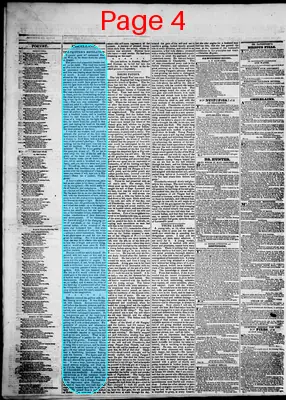
Story
December 24, 1828
Literary Cadet And Rhode Island Statesman
Providence, Providence County, Rhode Island
What is this article about?
Painter Duncan Weir despairs over unfinished eyes in his beloved's portrait but later admires the completed work in a gallery, where it captures her loving gaze perfectly, evoking tender memories as he stands with Helen.
Clipping

OCR Quality
85%
Good
Full Text
MISCELLANY.
THE PAINTER'S REVELATION.
'I cannot paint it!' exclaimed Duncan Weir, as he threw down his pencil in despair.
The portrait of a beautiful female rested on his easel. The head was turned as if to look into the painter's face, and an expression of delicious confidence and love was playing about the half parted mouth. A mass of luxuriant hair, stirred by the position, threw its shadow upon a shoulder that but for its transparency you would have given to Itys, and the light from which the face turned away fell on the polished throat with the rich mellowness of a moonbeam.
She was a brunette-but hair of a glossy black, and the blood melting through the clear brown of her cheek, and sleeping in her lip like color in the edge of a rose. The eye was unfinished. He could not paint it. Her low, expressive forehead, and the light pencil of her eye brows, and the long, melancholy lashes were all perfect; but he had painted the eye a hundred times, and a hundred times he had destroyed it, till at the close of a long day, as his light failed him, he threw down his pencil in despair, and resting his head on his easel, gave himself up to the contemplation of the ideal picture of his fancy.
I wish all my readers had painted a portrait, the portrait of the one they best loved to look on-it would be such a chance to thrill them with a description of the painter's feelings. There is nothing but the first timid kiss that has half its delirium. Why think of it a moment! To sit for hours gazing into the eyes you dream of! To be set to steal away the tint of the lip and the glory of the brow you worship! To have beauty come and sit down before you, till its spirit is breathed into your fancy, and you can turn away and paint it! To call up, like a rash enchanter, the smile that bewilders you, and have power over the expression of a face, that meets you where it will, lifts you in Elysium!-Make me a painter, Pythagoras!
A lover's picture of his mistress, painted as she exists in his fancy, would never be recognised. He would make little of features and complexion. No-no-he has not been an idolator for this. He has seen her as no one else has seen her, with the illumination of love, which once in her life, makes every woman under heaven an angel of light. He knows her heart, too-its gentleness, its fervor; and when she comes up in his imagination, it is not her visible form passing before his mind's eye, but the apparition of her invisible virtues, clothed in the tender recollections of their discovery and development. If he remembers her features at all, it is the changing color of her cheek, or the droop of her curved lashes, or the witchery of the smile that welcomed him. And even then he was intoxicated with her voice --always a sweet instrument, when the heart plays upon it-and his eye was good for nothing. No-it is no matter what she may be to others-she appears to him like a bright and perfect being, and he would as soon paint St. Cecilia with a wart, and his mistress with an imperfect feature.
Duncan could not satisfy himself. He painted with his heart on fire, and he threw by canvas after canvas till his room was like a gallery of angels. In perfect despair, at last, he sat down and made a deliberate copy of her features --the exquisite picture of which we have spoken. Still, the eye haunted him. He felt as if it would redeem all if he could give it the expression with which it looked back some of his impassioned declarations. His skill, however, was, as yet baffled, and it was at the close of the third day of unsuccessful effort that he relinquished it in despair, and, dropping his head upon his easel, abandoned himself to his imagination.
Duncan entered the gallery with Helen leaning on his arm. It was thronged with visitors. Groups were collected before the favorite pictures, and the low hum of criticism rose confusedly, varied, now and then, by the exclamation of some enthusiastic spectator. In a conspicuous part of the room hung 'The Mute Reply, by Duncan Weir.' A crowd had gathered before it, and were gazing on it with evident pleasure. Expressions of surprise and admiration broke frequently from the group, and as they fell on the ear of Duncan, he felt an irresistible impulse to approach and look at his own picture. What is like the affection of a painter for the offspring of his genius. It seemed to him as if he had never before seen it. There it hung like a new picture, and he dwelt upon it with all the interest of a stranger. He was indeed beautiful. There was a bewitching loveliness floating over the features. The figure and air had a peculiar grace, and freedom; but the eye showed the genius of the master. It was a large, lustrous eye, moistened without weeping, and lifted up, as if to the face of a lover, with a look of indescribable tenderness. The deception was wonderful. It seemed every moment as if the moisture would gather into a tear, and roll down her cheek. There was a strange freshness in its impression upon Duncan. It seemed to have the very look that had sometimes beamed upon him in the twilight. He turned from it and looked at Helen. Her eyes met his with the
THE PAINTER'S REVELATION.
'I cannot paint it!' exclaimed Duncan Weir, as he threw down his pencil in despair.
The portrait of a beautiful female rested on his easel. The head was turned as if to look into the painter's face, and an expression of delicious confidence and love was playing about the half parted mouth. A mass of luxuriant hair, stirred by the position, threw its shadow upon a shoulder that but for its transparency you would have given to Itys, and the light from which the face turned away fell on the polished throat with the rich mellowness of a moonbeam.
She was a brunette-but hair of a glossy black, and the blood melting through the clear brown of her cheek, and sleeping in her lip like color in the edge of a rose. The eye was unfinished. He could not paint it. Her low, expressive forehead, and the light pencil of her eye brows, and the long, melancholy lashes were all perfect; but he had painted the eye a hundred times, and a hundred times he had destroyed it, till at the close of a long day, as his light failed him, he threw down his pencil in despair, and resting his head on his easel, gave himself up to the contemplation of the ideal picture of his fancy.
I wish all my readers had painted a portrait, the portrait of the one they best loved to look on-it would be such a chance to thrill them with a description of the painter's feelings. There is nothing but the first timid kiss that has half its delirium. Why think of it a moment! To sit for hours gazing into the eyes you dream of! To be set to steal away the tint of the lip and the glory of the brow you worship! To have beauty come and sit down before you, till its spirit is breathed into your fancy, and you can turn away and paint it! To call up, like a rash enchanter, the smile that bewilders you, and have power over the expression of a face, that meets you where it will, lifts you in Elysium!-Make me a painter, Pythagoras!
A lover's picture of his mistress, painted as she exists in his fancy, would never be recognised. He would make little of features and complexion. No-no-he has not been an idolator for this. He has seen her as no one else has seen her, with the illumination of love, which once in her life, makes every woman under heaven an angel of light. He knows her heart, too-its gentleness, its fervor; and when she comes up in his imagination, it is not her visible form passing before his mind's eye, but the apparition of her invisible virtues, clothed in the tender recollections of their discovery and development. If he remembers her features at all, it is the changing color of her cheek, or the droop of her curved lashes, or the witchery of the smile that welcomed him. And even then he was intoxicated with her voice --always a sweet instrument, when the heart plays upon it-and his eye was good for nothing. No-it is no matter what she may be to others-she appears to him like a bright and perfect being, and he would as soon paint St. Cecilia with a wart, and his mistress with an imperfect feature.
Duncan could not satisfy himself. He painted with his heart on fire, and he threw by canvas after canvas till his room was like a gallery of angels. In perfect despair, at last, he sat down and made a deliberate copy of her features --the exquisite picture of which we have spoken. Still, the eye haunted him. He felt as if it would redeem all if he could give it the expression with which it looked back some of his impassioned declarations. His skill, however, was, as yet baffled, and it was at the close of the third day of unsuccessful effort that he relinquished it in despair, and, dropping his head upon his easel, abandoned himself to his imagination.
Duncan entered the gallery with Helen leaning on his arm. It was thronged with visitors. Groups were collected before the favorite pictures, and the low hum of criticism rose confusedly, varied, now and then, by the exclamation of some enthusiastic spectator. In a conspicuous part of the room hung 'The Mute Reply, by Duncan Weir.' A crowd had gathered before it, and were gazing on it with evident pleasure. Expressions of surprise and admiration broke frequently from the group, and as they fell on the ear of Duncan, he felt an irresistible impulse to approach and look at his own picture. What is like the affection of a painter for the offspring of his genius. It seemed to him as if he had never before seen it. There it hung like a new picture, and he dwelt upon it with all the interest of a stranger. He was indeed beautiful. There was a bewitching loveliness floating over the features. The figure and air had a peculiar grace, and freedom; but the eye showed the genius of the master. It was a large, lustrous eye, moistened without weeping, and lifted up, as if to the face of a lover, with a look of indescribable tenderness. The deception was wonderful. It seemed every moment as if the moisture would gather into a tear, and roll down her cheek. There was a strange freshness in its impression upon Duncan. It seemed to have the very look that had sometimes beamed upon him in the twilight. He turned from it and looked at Helen. Her eyes met his with the
What sub-type of article is it?
Romance
Personal Triumph
What themes does it cover?
Love
Triumph
What keywords are associated?
Painter
Portrait
Love
Revelation
Art Gallery
Romantic Expression
What entities or persons were involved?
Duncan Weir
Helen
Where did it happen?
Artist's Studio And Art Gallery
Story Details
Key Persons
Duncan Weir
Helen
Location
Artist's Studio And Art Gallery
Story Details
Duncan Weir struggles to paint the eyes of his beloved's portrait, capturing her loving expression, despairs after days of effort, but later in a gallery, admires the finished work's perfect tenderness, evoking memories as he stands with Helen.