Thank you for visiting SNEWPapers!
Sign up free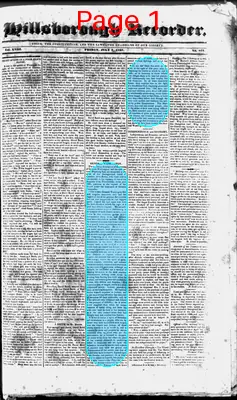
Literary
July 7, 1837
The Hillsborough Recorder
Hillsboro, Orange County, North Carolina
What is this article about?
Abbe Robin, a French chaplain in 1781, describes General Washington's noble appearance, exceptional leadership, and ability to inspire heroism and unity in the American Revolution, portraying him as a heroic figure revered by all.
Clipping
OCR Quality
98%
Excellent
Full Text
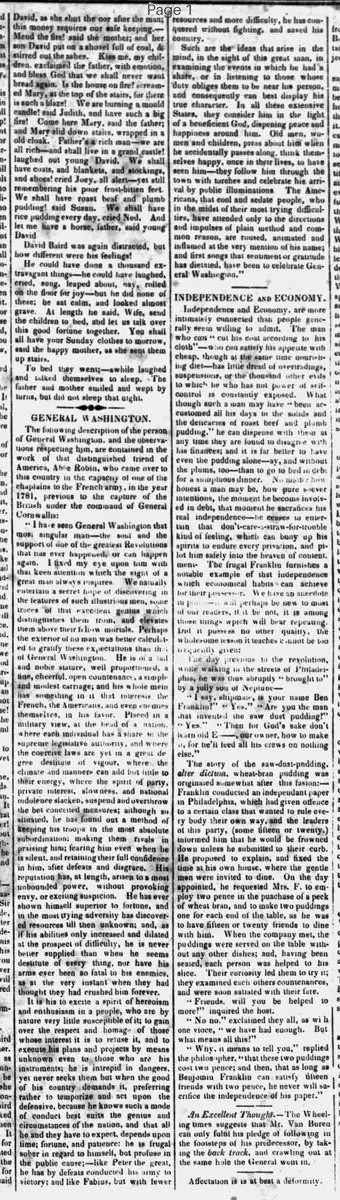
GENERAL WASHINGTON.
The following description of the person of General Washington, and the observations respecting him, are contained in the work of that distinguished friend of America, Abbe Robin, who came over to this country in the capacity of one of the chaplains to the French army, in the year 1781, previous to the capture of the British under the command of General Cornwallis:
"I have seen General Washington, that most singular man—the soul and the support of one of the greatest Revolutions that has ever happened, or can happen again. I fixed my eye upon him with that keen attention which the sight of a great man always inspires. We naturally entertain a secret hope of discovering in the features of such illustrious men, some traces of that excellent genius which distinguishes the true hero, and elevates them above their fellow mortals. Perhaps the exterior of no man was better calculated to gratify these expectations than that of General Washington. He is of a tall and noble stature, well proportioned, a fine, cheerful, open countenance, a simple and modest carriage; and his whole mien has something in it that interests the French, the Americans, and even enemies themselves, in his favor. Placed in a military view, at the head of a nation, where each individual has a share in the supreme legislative authority, and where the coercive laws are yet in a great degree destitute of vigour, where the climate and manners can add but little to their energy, where the spirit of party, private interest, slowness, and national indolence slacken, suspend and overthrow the best concerted measures; although so situated, he has found out a method of keeping his troops in the most absolute subordination: making them rivals in praising him; fearing him even when he is silent, and retaining their full confidence in him, after defeats and disgrace. His reputation has, at length, arisen to a most unbounded power, without provoking envy, or exciting suspicion. He has ever shown himself superior to fortune, and in the most trying adversity has discovered resources till then unknown; and, as if his abilities only increased and dilated at the prospect of difficulty, he is never better supplied than when he seems destitute of every thing, nor have his arms ever been so fatal to his enemies, as at the very instant when they had thought they had crushed him forever.
It is his to excite a spirit of heroism and enthusiasm in a people, who are by nature very little susceptible of it; to gain over the respect and homage of those whose interest it is to refuse it, and to execute his plans and projects by means unknown even to those who are his instruments; he is intrepid in dangers, yet never seeks them but when the good of his country demands it, preferring rather to temporize and act upon the defensive, because he knows such a mode of conduct best suits the genius and circumstances of the nation, and that all he and they have to expect, depends upon time, fortune, and patience: he is frugal and sober in regard to himself, but profuse in the public cause;—like Peter the Great, he has by defeats conducted his army to victory: and like Fabius, but with fewer resources and more difficulty, he has conquered without fighting, and saved his country.
Such are the ideas that arise in the mind, in the sight of this great man, in examining the events in which he had a share, or in listening to those whose duty obliges them to be near his person, and consequently can best display his true character. In all these extensive States, they consider him in the light of a beneficent God, dispensing peace and happiness around him. Old men, women and children, press about him when he accidentally passes along, think themselves happy, once in their lives, to have seen him—they follow him through the town with torches and celebrate his arrival by public illuminations. The Americans, that cool and sedate people, who in the midst of their most trying difficulties, have attended only to the directions and impulses of plain method and common reason, are roused, animated and inflamed at the very mention of his name; and the first songs that sentiment or gratitude has dictated, have been to celebrate General Washington."
The following description of the person of General Washington, and the observations respecting him, are contained in the work of that distinguished friend of America, Abbe Robin, who came over to this country in the capacity of one of the chaplains to the French army, in the year 1781, previous to the capture of the British under the command of General Cornwallis:
"I have seen General Washington, that most singular man—the soul and the support of one of the greatest Revolutions that has ever happened, or can happen again. I fixed my eye upon him with that keen attention which the sight of a great man always inspires. We naturally entertain a secret hope of discovering in the features of such illustrious men, some traces of that excellent genius which distinguishes the true hero, and elevates them above their fellow mortals. Perhaps the exterior of no man was better calculated to gratify these expectations than that of General Washington. He is of a tall and noble stature, well proportioned, a fine, cheerful, open countenance, a simple and modest carriage; and his whole mien has something in it that interests the French, the Americans, and even enemies themselves, in his favor. Placed in a military view, at the head of a nation, where each individual has a share in the supreme legislative authority, and where the coercive laws are yet in a great degree destitute of vigour, where the climate and manners can add but little to their energy, where the spirit of party, private interest, slowness, and national indolence slacken, suspend and overthrow the best concerted measures; although so situated, he has found out a method of keeping his troops in the most absolute subordination: making them rivals in praising him; fearing him even when he is silent, and retaining their full confidence in him, after defeats and disgrace. His reputation has, at length, arisen to a most unbounded power, without provoking envy, or exciting suspicion. He has ever shown himself superior to fortune, and in the most trying adversity has discovered resources till then unknown; and, as if his abilities only increased and dilated at the prospect of difficulty, he is never better supplied than when he seems destitute of every thing, nor have his arms ever been so fatal to his enemies, as at the very instant when they had thought they had crushed him forever.
It is his to excite a spirit of heroism and enthusiasm in a people, who are by nature very little susceptible of it; to gain over the respect and homage of those whose interest it is to refuse it, and to execute his plans and projects by means unknown even to those who are his instruments; he is intrepid in dangers, yet never seeks them but when the good of his country demands it, preferring rather to temporize and act upon the defensive, because he knows such a mode of conduct best suits the genius and circumstances of the nation, and that all he and they have to expect, depends upon time, fortune, and patience: he is frugal and sober in regard to himself, but profuse in the public cause;—like Peter the Great, he has by defeats conducted his army to victory: and like Fabius, but with fewer resources and more difficulty, he has conquered without fighting, and saved his country.
Such are the ideas that arise in the mind, in the sight of this great man, in examining the events in which he had a share, or in listening to those whose duty obliges them to be near his person, and consequently can best display his true character. In all these extensive States, they consider him in the light of a beneficent God, dispensing peace and happiness around him. Old men, women and children, press about him when he accidentally passes along, think themselves happy, once in their lives, to have seen him—they follow him through the town with torches and celebrate his arrival by public illuminations. The Americans, that cool and sedate people, who in the midst of their most trying difficulties, have attended only to the directions and impulses of plain method and common reason, are roused, animated and inflamed at the very mention of his name; and the first songs that sentiment or gratitude has dictated, have been to celebrate General Washington."
What sub-type of article is it?
Essay
What themes does it cover?
Liberty Freedom
Political
Patriotism
What keywords are associated?
Washington
American Revolution
Leadership
Heroism
French Ally
Military Genius
National Hero
What entities or persons were involved?
Abbe Robin
Literary Details
Title
General Washington
Author
Abbe Robin
Subject
Description Of General Washington During The American Revolution
Form / Style
Prose Biographical Sketch
Key Lines
I Have Seen General Washington, That Most Singular Man—The Soul And The Support Of One Of The Greatest Revolutions That Has Ever Happened, Or Can Happen Again.
He Is Of A Tall And Noble Stature, Well Proportioned, A Fine, Cheerful, Open Countenance, A Simple And Modest Carriage; And His Whole Mien Has Something In It That Interests The French, The Americans, And Even Enemies Themselves, In His Favor.
In All These Extensive States, They Consider Him In The Light Of A Beneficent God, Dispensing Peace And Happiness Around Him.