Thank you for visiting SNEWPapers!
Sign up free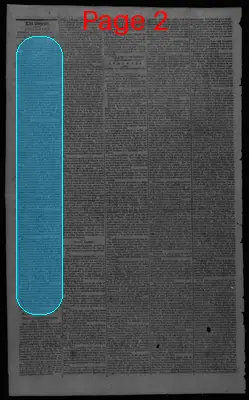
Letter to Editor
December 14, 1797
Gazette Of The United States, & Philadelphia Daily Advertiser
Philadelphia, Philadelphia County, Pennsylvania
What is this article about?
A letter to Mr. Fenno argues against arming U.S. merchant vessels amid French depredations, citing past wisdom in not arming against Britain, economic burdens on consumers via higher prices and insurance, and risks of escalating to war without benefits. Signed 'A Friend to Laws & Freedom' on Dec. 13th.
Clipping

OCR Quality
95%
Excellent
Full Text
For the GAZETTE of the United States.
MR. FENNO,
At the table of a friend a few days ago, when the subject of the French depredations was a topic of conversation, a gentleman present strenuously advocated the arming of our merchant vessels, and at length declared, in the honest zeal and warmth of his resentment, that he would arm his ships and they should fight their way; that he would do the same against any nation, being one of the memorialists to Congress (when Great Britain acted the same part) recommending hostilities being commenced against her.
Being asked if he did not think it fortunate that Congress did not adopt the measure at that time he recommended, he ingenuously confessed he did, and that their wisdom was evident by the event.
This subject being now before the house of representatives, and a bill about to be introduced, I cannot refrain from offering a few thoughts on the occasion.
It is generally considered that every merchant has a right to adventure his property as he thinks fit, and if exposed to unjust hazard to defend it; but though this is not now intended to be denied, it must be equally admitted that he has no right to hazard the property, or compromise the peace of others, or of his country. The unauthorized act of an individual, and the orders of a nation, are to be considered differently.
Before those difficulties of which we complain, our produce was abundant and therefore low in all the West-India islands (the chief markets for its vent); nor is it now so plenty, the supplies are more uncertain and precarious, and prices consequently and naturally higher, augmented in greater proportions than the difference of insurance. Who pays this increase of price? Is it not the consumer? Certainly it is—every man who eats bread in the West-Indies, or requires a shingle or a board, contributes to pay for the insurance of our ships and cargoes. It is evidently and unquestionably the interest of those who eat the most of it to guard and protect this commerce, and thereby lessen the danger to which their necessaries of life are exposed.
Is there any price to which the chief articles of our export can be raised during war time that will prevent their being demanded and consumed in the islands? Every man who has been there, will say no—they cannot get them through any other channel, and cannot do without them; but it is said that every vessel taken is so much loss to the country, which is conceived to be a mistake, except when uninsured; and if imprudent men, urged by too great an avidity of gain are thereby disappointed, it is not the interceptions of our commerce they are to complain of; that opinion however is right as to vessels that founder or are wrecked, whether insured or not; the difference is material between the two positions, and it is necessary to be justly comprehended in order to a true judgment or proper inference.
If four vessels be insured to an island and back at 30 per cent. and one is taken, the owners of those that arrive get a greater sum for their cargoes, and sufficient to pay for the cost, freight and premium of insurance, which they bring home to do it with, and the underwriters are enabled to pay the loss of the one taken by the premiums on those that arrived—it is otherwise when a vessel is wrecked or founders—then it is a national loss.
But will arming our vessels tend to reduce premiums of insurance? It is conceived not, for the French will add strength to their cruisers sufficient to contend for prize money and plunder; and if premiums are lowered, will more of our flour, fish, bread, rice, or provisions of any sort be eaten, or will they bring better prices or leave so good a profit? This applies equally to the European trade, the articles of coffee and sugar which we import and reship are sent to market loaded with every additional expense which the danger and difficulty of procuring and conveying thither occasions; what else has raised the price of them in all the markets of Europe? What say secret mercantile letters of advice? Send coffee, sugars, tobacco, &c. the prices will bear even the high premiums of insurance and freight.
Now Mr. Fenno, I think with my table companion, that it was fortunate we did not arm on a former occasion, and I am no less certain we should avoid, at least postpone it now, rather adopting the plan pointed out in my last, or something free from the spilling of blood, which once begun will not easily be stopped—while it closes the door of reparation for the past, without even a hope of benefit for the future.
A FRIEND TO LAWS & FREEDOM.
Dec. 13th.
MR. FENNO,
At the table of a friend a few days ago, when the subject of the French depredations was a topic of conversation, a gentleman present strenuously advocated the arming of our merchant vessels, and at length declared, in the honest zeal and warmth of his resentment, that he would arm his ships and they should fight their way; that he would do the same against any nation, being one of the memorialists to Congress (when Great Britain acted the same part) recommending hostilities being commenced against her.
Being asked if he did not think it fortunate that Congress did not adopt the measure at that time he recommended, he ingenuously confessed he did, and that their wisdom was evident by the event.
This subject being now before the house of representatives, and a bill about to be introduced, I cannot refrain from offering a few thoughts on the occasion.
It is generally considered that every merchant has a right to adventure his property as he thinks fit, and if exposed to unjust hazard to defend it; but though this is not now intended to be denied, it must be equally admitted that he has no right to hazard the property, or compromise the peace of others, or of his country. The unauthorized act of an individual, and the orders of a nation, are to be considered differently.
Before those difficulties of which we complain, our produce was abundant and therefore low in all the West-India islands (the chief markets for its vent); nor is it now so plenty, the supplies are more uncertain and precarious, and prices consequently and naturally higher, augmented in greater proportions than the difference of insurance. Who pays this increase of price? Is it not the consumer? Certainly it is—every man who eats bread in the West-Indies, or requires a shingle or a board, contributes to pay for the insurance of our ships and cargoes. It is evidently and unquestionably the interest of those who eat the most of it to guard and protect this commerce, and thereby lessen the danger to which their necessaries of life are exposed.
Is there any price to which the chief articles of our export can be raised during war time that will prevent their being demanded and consumed in the islands? Every man who has been there, will say no—they cannot get them through any other channel, and cannot do without them; but it is said that every vessel taken is so much loss to the country, which is conceived to be a mistake, except when uninsured; and if imprudent men, urged by too great an avidity of gain are thereby disappointed, it is not the interceptions of our commerce they are to complain of; that opinion however is right as to vessels that founder or are wrecked, whether insured or not; the difference is material between the two positions, and it is necessary to be justly comprehended in order to a true judgment or proper inference.
If four vessels be insured to an island and back at 30 per cent. and one is taken, the owners of those that arrive get a greater sum for their cargoes, and sufficient to pay for the cost, freight and premium of insurance, which they bring home to do it with, and the underwriters are enabled to pay the loss of the one taken by the premiums on those that arrived—it is otherwise when a vessel is wrecked or founders—then it is a national loss.
But will arming our vessels tend to reduce premiums of insurance? It is conceived not, for the French will add strength to their cruisers sufficient to contend for prize money and plunder; and if premiums are lowered, will more of our flour, fish, bread, rice, or provisions of any sort be eaten, or will they bring better prices or leave so good a profit? This applies equally to the European trade, the articles of coffee and sugar which we import and reship are sent to market loaded with every additional expense which the danger and difficulty of procuring and conveying thither occasions; what else has raised the price of them in all the markets of Europe? What say secret mercantile letters of advice? Send coffee, sugars, tobacco, &c. the prices will bear even the high premiums of insurance and freight.
Now Mr. Fenno, I think with my table companion, that it was fortunate we did not arm on a former occasion, and I am no less certain we should avoid, at least postpone it now, rather adopting the plan pointed out in my last, or something free from the spilling of blood, which once begun will not easily be stopped—while it closes the door of reparation for the past, without even a hope of benefit for the future.
A FRIEND TO LAWS & FREEDOM.
Dec. 13th.
What sub-type of article is it?
Persuasive
Political
Informative
What themes does it cover?
Commerce Trade
Economic Policy
Military War
What keywords are associated?
French Depredations
Arming Merchant Vessels
Insurance Premiums
West India Trade
Congress Policy
Economic Impact
Peaceful Alternatives
What entities or persons were involved?
A Friend To Laws & Freedom.
Mr. Fenno
Letter to Editor Details
Author
A Friend To Laws & Freedom.
Recipient
Mr. Fenno
Main Argument
arming merchant vessels against french depredations would not reduce insurance premiums, risks escalating to war without benefits, and burdens consumers through higher prices; better to pursue peaceful alternatives as congress wisely did against britain previously.
Notable Details
Conversation At A Friend's Table About Arming Ships
Reference To Past Memorial To Congress Against Great Britain
Economic Explanation Of Insurance And Consumer Costs In West Indies Trade
Distinction Between Captured Vs. Wrecked Vessels