Thank you for visiting SNEWPapers!
Sign up free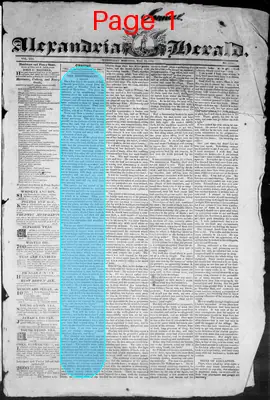
Literary
May 18, 1825
The Alexandria Herald
Alexandria, Virginia
What is this article about?
A sentimental sketch of the funeral procession for Eliza Fanshawe, wife of Sir William, from Woodley Hall in Gloucester county on a beautiful June day. The narrative contrasts nature's joy with the mourners' grief and recalls Eliza's tender deathbed moments with her husband a week prior.
Clipping

OCR Quality
95%
Excellent
Full Text
"There are odlier of guests as well as dishes.
From an English Journal."
THE DISINTERMENT
A SKETCH.
On a fine day in the month of June,
a funeral procession issued from the
park gates of Woodley Hall, in the
county of Gloucester. The poor inhabitants of the neighboring village
hovered about the train with mute reverence; paying the last sad testimony
of respect and affection to one, who had
been endeared to them by many acts
of kindness and solicitude. They were
following to its cold home the corpse
of Eliza, wife of Sir William Fanshawe.
Never was there a lovelier summer
day than the one appointed for this
dismal ceremony. The trees looked
proudly in the lustiness of their young
green; the dark blue of the sky was
unspotted by a single cloud; and the
sun shot out his sultry strength, making
the birds wanton and noisy with the
exuberance of their joy.
Alas! what was all this glory of nature to the sad company who were
moving along the road, thinking of the
tomb and the premature death of that
young, beautiful, and virtuous one
whom they were conveying thither?
How could they enjoy the quick carols
of the birds, when the death-bell, gaining in strength as they proceeded,
smote their ears and startled their secret sorrowing with its measured and
obstinate recurrence? The glad color of the grass and of the leaves was
not in harmony with their mourning
garments; and the vital sun could
scarcely be rejoiced in, shining as it
did on their tears and on that dark
slow moving hearse.
The service for the burial of the
dead is not easily endured by even an
unconnected auditor: so oppressive is
the obscure and gloomy imagination
in which it is written.
What then
must our mourners have felt (their loss
being unexpected and sorely afflicting)
when the priest, meeting the dull coffin at the church-porch, walked on before it, repeating his solemn words?
Then the agony of grief burst forth in
sobs and hysterics; and then did the
dreary thought arise, that there was
nothing but corruption and mortification in the world.
But we are slaves of circumstances;
for these ideas, which seem to lie down
immoveably in despair, were soon lifted into happy aspirations on the swell
of the organ's sounds; and the cottagers who stood moodily in the church
yard while the service continued, were
also relieved by the music, and blessed it
as it trembled out into the sunny air.
When the lady of whom I write was
stricken with illness, which was only a
week before her death, she begged her
husband to bring her the gold chain
and locket enclosing her hair, which he
had given her before their marriage.
This she hung round her neck, and solaced her weary and painful hours
with contemplating it, and, by force of
the association of ideas it excited, living again in times gone by. One
evening she beckoned Sir William, who
was sitting in her chamber, to her side,
and said:- "Reach me your hand, my
dear husband. I am growing much
worse. I feel a perilous sinking in my
frame, and death is in my thoughts.-
If this be nothing more than womanly
timidity, bear with it, dearest, for my
sake, and give me courage by staying
by my side through the night."
"Be comforted, my love," replied her
husband. "This weakness is common
enough. You will be better in the
morning; and in the mean time I shall
not stir from your bed. You will talk
to me in a different manner when, after
you have had a good sleep, I shall
show you the cheerful sun-light stealing
on the dawn. I see even now your
eyes are closing; compose yourself
therefore, dear one, and sleep."
The chamber was hushed; and the
patient lay still, and seemed in so profound a repose, that her breathing was
not heard. The curtains were softly
adjusted round her bed: and Sir William,
happy and full of favorable omens
in the idea that his wife had at length
a remission of pain, took a book, and
fixing as much attention on it as he could
command, wore the night away. Every
thing within and without continued in
deep stillness, broken only towards the
morning by the pleasant sounds of
awakening nature, which might be
heard in so removed a place—the shrill
birds, the wheeling hum of the bees
From an English Journal."
THE DISINTERMENT
A SKETCH.
On a fine day in the month of June,
a funeral procession issued from the
park gates of Woodley Hall, in the
county of Gloucester. The poor inhabitants of the neighboring village
hovered about the train with mute reverence; paying the last sad testimony
of respect and affection to one, who had
been endeared to them by many acts
of kindness and solicitude. They were
following to its cold home the corpse
of Eliza, wife of Sir William Fanshawe.
Never was there a lovelier summer
day than the one appointed for this
dismal ceremony. The trees looked
proudly in the lustiness of their young
green; the dark blue of the sky was
unspotted by a single cloud; and the
sun shot out his sultry strength, making
the birds wanton and noisy with the
exuberance of their joy.
Alas! what was all this glory of nature to the sad company who were
moving along the road, thinking of the
tomb and the premature death of that
young, beautiful, and virtuous one
whom they were conveying thither?
How could they enjoy the quick carols
of the birds, when the death-bell, gaining in strength as they proceeded,
smote their ears and startled their secret sorrowing with its measured and
obstinate recurrence? The glad color of the grass and of the leaves was
not in harmony with their mourning
garments; and the vital sun could
scarcely be rejoiced in, shining as it
did on their tears and on that dark
slow moving hearse.
The service for the burial of the
dead is not easily endured by even an
unconnected auditor: so oppressive is
the obscure and gloomy imagination
in which it is written.
What then
must our mourners have felt (their loss
being unexpected and sorely afflicting)
when the priest, meeting the dull coffin at the church-porch, walked on before it, repeating his solemn words?
Then the agony of grief burst forth in
sobs and hysterics; and then did the
dreary thought arise, that there was
nothing but corruption and mortification in the world.
But we are slaves of circumstances;
for these ideas, which seem to lie down
immoveably in despair, were soon lifted into happy aspirations on the swell
of the organ's sounds; and the cottagers who stood moodily in the church
yard while the service continued, were
also relieved by the music, and blessed it
as it trembled out into the sunny air.
When the lady of whom I write was
stricken with illness, which was only a
week before her death, she begged her
husband to bring her the gold chain
and locket enclosing her hair, which he
had given her before their marriage.
This she hung round her neck, and solaced her weary and painful hours
with contemplating it, and, by force of
the association of ideas it excited, living again in times gone by. One
evening she beckoned Sir William, who
was sitting in her chamber, to her side,
and said:- "Reach me your hand, my
dear husband. I am growing much
worse. I feel a perilous sinking in my
frame, and death is in my thoughts.-
If this be nothing more than womanly
timidity, bear with it, dearest, for my
sake, and give me courage by staying
by my side through the night."
"Be comforted, my love," replied her
husband. "This weakness is common
enough. You will be better in the
morning; and in the mean time I shall
not stir from your bed. You will talk
to me in a different manner when, after
you have had a good sleep, I shall
show you the cheerful sun-light stealing
on the dawn. I see even now your
eyes are closing; compose yourself
therefore, dear one, and sleep."
The chamber was hushed; and the
patient lay still, and seemed in so profound a repose, that her breathing was
not heard. The curtains were softly
adjusted round her bed: and Sir William,
happy and full of favorable omens
in the idea that his wife had at length
a remission of pain, took a book, and
fixing as much attention on it as he could
command, wore the night away. Every
thing within and without continued in
deep stillness, broken only towards the
morning by the pleasant sounds of
awakening nature, which might be
heard in so removed a place—the shrill
birds, the wheeling hum of the bees
What sub-type of article is it?
Prose Fiction
What themes does it cover?
Death Mortality
Love Romance
What keywords are associated?
Funeral Procession
Mourning
Deathbed Scene
Eliza Fanshawe
Sir William
Gloucester County
What entities or persons were involved?
From An English Journal.
Literary Details
Title
The Disinterment A Sketch.
Author
From An English Journal.
Key Lines
"Reach Me Your Hand, My Dear Husband. I Am Growing Much Worse. I Feel A Perilous Sinking In My Frame, And Death Is In My Thoughts. If This Be Nothing More Than Womanly Timidity, Bear With It, Dearest, For My Sake, And Give Me Courage By Staying By My Side Through The Night."
"Be Comforted, My Love," Replied Her Husband. "This Weakness Is Common Enough. You Will Be Better In The Morning; And In The Mean Time I Shall Not Stir From Your Bed."