Thank you for visiting SNEWPapers!
Sign up free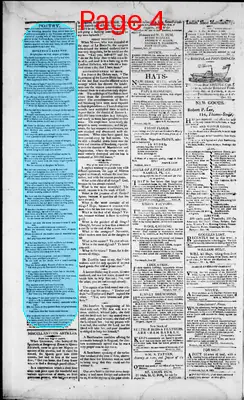
Poem
November 6, 1822
The Rhode Island Republican
Newport, Newport County, Rhode Island
What is this article about?
The poem retells the biblical tale from Judges 11 of Jephthah's victorious return and tragic vow to sacrifice the first being he meets—his daughter—who accepts her fate with piety and devotion, evoking grief and moral reflection.
Clipping

OCR Quality
96%
Excellent
Full Text
POETRY.
The following beautiful lines, which have been recently re-published in the Virginian, are the production of a young lady of this state, and first appeared in the National Aegis, some twelve or fourteen years since. In the belief that many of our readers may not yet have seen them, we with pleasure re-publish them. [From the Bos. Post.]
JEPHTHAH'S RASH VOW.
Versified from the 11th chapter of Judges.
The battle had ceas'd and the victory was won,
The wild cry of horror was o'er;
Now arose in his glory, the bright-beaming sun,
And with him his journey the war-chief begun,
With a soul breathing vengeance no more.
The foes of his country lay strew'd on the plain,
A tear stole its course from his eye;
The warrior disdain'd ev'ry semblance of pain,
He thought of his child, of his country again,
And suppress'd while 'twas morning, a sigh.
"Oh, Father of light!" said the conquering chief,
"The vow which I made I renew:
'Twas thy powerful arm gave the welcome relief,
When I called on thy name in the fulness of grief,
And my hopes were but cheerless and few."
"An offering of love will I pay to thy name,
An offering thou wilt not despise;
The first being I meet when I welcome again
The land of my fathers, I left not in vain,
With the fumes on thine altar shall rise."
Now hush'd were his words; through the far-spreading bands
Nought was heard, save the footfall around—
Till his lips, in wild joy, press his own native lands,
And to Heaven are lift'd his trembling hands,
While the silence is still and profound.
Oh listen! at distance what wild music sounds,
And at distance, what maiden appears!
See! forward she comes, with light-springing bounds,
And casts her mild eyes in fond ecstasy round,
For a parent is seen through her tears.
Her harp's wildest thrill gave a strain of delight,
A moment—she springs to his arms:
"My daughter—oh God!" Not the horror of night,
While legions on legions against him unite,
Could bring to his soul such alarms.
In wild horror he starts, as a fiend had appear'd,
His eyes in mute agony close:
His sword, o'er his age-frosted forehead is rear'd,
Which with scars from his many-fought battles is sear'd,
Nor his country or daughter be more.
But sudden conviction, in quick flashes told
That his daughter was destined to die!
Oh, no longer could nature the wild struggle hold,
His grief issued forth unconstrain'd, uncontrolled,
And the tears dimmed his time-wither'd eye.
His daughter was weeping and clasping that arm
She ne'er touch'd but with transport before,
His daughter was watching the thundering storm,
Whose quick flashing lightning so madly deform'd
Face beaming sunshine before.
But how did that daughter, so gentle and fair,
Hear the sentence that doom'd her to die?
For a moment, was heard the wild cry of despair,
For a moment, her eye gave a heart-moving glare
For a moment, her bosom heav'd high.
'Twas but a moment—the phrensy was past,
She smilingly rush'd to his arms;
And there, as a flower, when chill'd by the blast,
Reclines on the oak, till its fury be past,
On his bosom she hush'd her alarms.
Not an eye saw the scene but was moisten'd with woe,
Not a voice could sentence command,
Down the soldier's rough cheeks tears of agony flow,
While the sobs of the maiden heav'd mournful and slow:
And pity wept over the land.
But fled was the hope, in the maiden's sad breast;
From her father's fond bosom she rose,
Mild virtue appear'd in her manner confess'd,
She look'd like a saint from the realms of the bless'd
Not a mortal encircled with woes.
She turn'd from the group: and can I declare
The hope and fortitude given
As she sunk on her knees with a soul-breathing prayer,
That her father might flourish of virtue the care,
Till with glory he flourish'd in heaven.
"Oh! comfort him Heaven! when low in the dust,
My limbs are inactively laid;
Oh! comfort him Heaven! and let him then trust,
That free and immortal the souls of the just,
Are in glory and beauty arrayed."
The maiden arose: and can I pourtray
The devotion that glow'd in her eye?
Religion's sweet self, in its light seem'd to stray,
With the mildness of night, with the glory of day,
But 'twas pity that prompted her sigh.
"My father!"—the chief raised his dim weeping eye,
With a look of unspeakable woe:
"My father!"—her voice seem'd convuls'd with a sigh,
But the tears, as they gush'd from her grief-swollen eye,
Told more than her words could bestow.
The weakness was past; and the maiden could say:
"My father! for thee I can die!"
The bands slowly mov'd on their sorrowful way,
But never again, from that heart-breaking day,
Was a tear known to force its enlivening ray,
On the old chieftain's grief-speaking eye.
The following beautiful lines, which have been recently re-published in the Virginian, are the production of a young lady of this state, and first appeared in the National Aegis, some twelve or fourteen years since. In the belief that many of our readers may not yet have seen them, we with pleasure re-publish them. [From the Bos. Post.]
JEPHTHAH'S RASH VOW.
Versified from the 11th chapter of Judges.
The battle had ceas'd and the victory was won,
The wild cry of horror was o'er;
Now arose in his glory, the bright-beaming sun,
And with him his journey the war-chief begun,
With a soul breathing vengeance no more.
The foes of his country lay strew'd on the plain,
A tear stole its course from his eye;
The warrior disdain'd ev'ry semblance of pain,
He thought of his child, of his country again,
And suppress'd while 'twas morning, a sigh.
"Oh, Father of light!" said the conquering chief,
"The vow which I made I renew:
'Twas thy powerful arm gave the welcome relief,
When I called on thy name in the fulness of grief,
And my hopes were but cheerless and few."
"An offering of love will I pay to thy name,
An offering thou wilt not despise;
The first being I meet when I welcome again
The land of my fathers, I left not in vain,
With the fumes on thine altar shall rise."
Now hush'd were his words; through the far-spreading bands
Nought was heard, save the footfall around—
Till his lips, in wild joy, press his own native lands,
And to Heaven are lift'd his trembling hands,
While the silence is still and profound.
Oh listen! at distance what wild music sounds,
And at distance, what maiden appears!
See! forward she comes, with light-springing bounds,
And casts her mild eyes in fond ecstasy round,
For a parent is seen through her tears.
Her harp's wildest thrill gave a strain of delight,
A moment—she springs to his arms:
"My daughter—oh God!" Not the horror of night,
While legions on legions against him unite,
Could bring to his soul such alarms.
In wild horror he starts, as a fiend had appear'd,
His eyes in mute agony close:
His sword, o'er his age-frosted forehead is rear'd,
Which with scars from his many-fought battles is sear'd,
Nor his country or daughter be more.
But sudden conviction, in quick flashes told
That his daughter was destined to die!
Oh, no longer could nature the wild struggle hold,
His grief issued forth unconstrain'd, uncontrolled,
And the tears dimmed his time-wither'd eye.
His daughter was weeping and clasping that arm
She ne'er touch'd but with transport before,
His daughter was watching the thundering storm,
Whose quick flashing lightning so madly deform'd
Face beaming sunshine before.
But how did that daughter, so gentle and fair,
Hear the sentence that doom'd her to die?
For a moment, was heard the wild cry of despair,
For a moment, her eye gave a heart-moving glare
For a moment, her bosom heav'd high.
'Twas but a moment—the phrensy was past,
She smilingly rush'd to his arms;
And there, as a flower, when chill'd by the blast,
Reclines on the oak, till its fury be past,
On his bosom she hush'd her alarms.
Not an eye saw the scene but was moisten'd with woe,
Not a voice could sentence command,
Down the soldier's rough cheeks tears of agony flow,
While the sobs of the maiden heav'd mournful and slow:
And pity wept over the land.
But fled was the hope, in the maiden's sad breast;
From her father's fond bosom she rose,
Mild virtue appear'd in her manner confess'd,
She look'd like a saint from the realms of the bless'd
Not a mortal encircled with woes.
She turn'd from the group: and can I declare
The hope and fortitude given
As she sunk on her knees with a soul-breathing prayer,
That her father might flourish of virtue the care,
Till with glory he flourish'd in heaven.
"Oh! comfort him Heaven! when low in the dust,
My limbs are inactively laid;
Oh! comfort him Heaven! and let him then trust,
That free and immortal the souls of the just,
Are in glory and beauty arrayed."
The maiden arose: and can I pourtray
The devotion that glow'd in her eye?
Religion's sweet self, in its light seem'd to stray,
With the mildness of night, with the glory of day,
But 'twas pity that prompted her sigh.
"My father!"—the chief raised his dim weeping eye,
With a look of unspeakable woe:
"My father!"—her voice seem'd convuls'd with a sigh,
But the tears, as they gush'd from her grief-swollen eye,
Told more than her words could bestow.
The weakness was past; and the maiden could say:
"My father! for thee I can die!"
The bands slowly mov'd on their sorrowful way,
But never again, from that heart-breaking day,
Was a tear known to force its enlivening ray,
On the old chieftain's grief-speaking eye.
What sub-type of article is it?
Ballad
What themes does it cover?
Religious Faith
Death Mourning
Moral Virtue
What keywords are associated?
Jephthah
Rash Vow
Daughter Sacrifice
Biblical Story
Judges Chapter
What entities or persons were involved?
A Young Lady Of This State
Poem Details
Title
Jephthah's Rash Vow.
Author
A Young Lady Of This State
Subject
Versified From The 11th Chapter Of Judges.
Key Lines
"An Offering Of Love Will I Pay To Thy Name,
An Offering Thou Wilt Not Despise;
The First Being I Meet When I Welcome Again
The Land Of My Fathers, I Left Not In Vain,
With The Fumes On Thine Altar Shall Rise."
Her Harp's Wildest Thrill Gave A Strain Of Delight,
A Moment—She Springs To His Arms:
"My Daughter—Oh God!" Not The Horror Of Night,
While Legions On Legions Against Him Unite,
Could Bring To His Soul Such Alarms.
"My Father! For Thee I Can Die!"
The Bands Slowly Mov'd On Their Sorrowful Way,
But Never Again, From That Heart Breaking Day,
Was A Tear Known To Force Its Enlivening Ray,
On The Old Chieftain's Grief Speaking Eye.