Thank you for visiting SNEWPapers!
Sign up free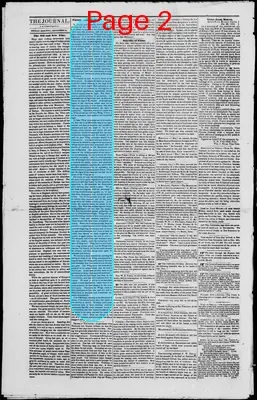
Editorial
December 31, 1852
The Nevada Journal
Nevada City, Nevada County, California
What is this article about?
Post-1840 election editorial advising the defeated Whig Party to maintain its principles and organization in 'masterly inactivity,' allowing the victorious Democrats to govern so the public can judge their policies on protectionism, internal improvements, and the American System.
Clipping

OCR Quality
98%
Excellent
Full Text
Future Course of the Whig Party.
It is to no good purpose, however true the position, for the Whig party, in view of the late defeat, to urge that the contest was decided upon side questions, and not upon the great issues between the Whig and the opposing party. It is not worth while to deny that a plurality of the American people on the 2d of November last, decided against the American system—decided in favor of the consumption of British goods, a foreign instead of a home market for our productions, non-improvements away from salt-water, etc., etc. But it is an important question for decision, what shall be the future course of the Whig party. Shall the party renounce its principles and its organization,—shall it fight inch by inch the doctrines of its opponents, or shall it, holding its principles, keeping intact its organization, remain in "masterly inactivity," till the people have had opportunity to judge the course and developed policy of the antagonist party.
We remark at once, we are in favor of the latter policy. To admit the falsity of our principles at a defeat, when up to the time of the defeat we have urged their necessity to the prosperity of the country, is, viewing the act in its lowest significance, apparently aiming more at success than at right. But there is also no judicial potency in an election. Our principles are as legitimate now as they were before the ides of November. Although a majority of the American people may not see their true interests, it is no reason why those who are right should renounce the right for popularity. Therefore, we see no reason why a Whig should not still be a Whig, if force is not an argument, and numbers not irresistible logic.
If, then, Whig principles are to be sustained, they can be so effectually only by an organization, and that as complete and ramified as numbers and zeal can make it. In all the States, cities, counties and towns, the same machinery should be employed that has heretofore been employed, and the contest at the polls for pure Whig principles should be as close as ever. If a signal national defeat is a criterion by which to judge future success, the Whigs should never have contended after the election of Jackson, or the Democrats after that of Harrison. But such a defeat is no evidence of the future prospects of any party. An overwhelming victory is nearly the worst accident to a party. After it, comes presumption of strength that loosens party discipline, a scramble for spoils, rivalry and dissension among its members, enmities, &c., all of which are taken advantage of by its opponents, and which ensure it a commensurate defeat. Therefore the signs of the times are not bad for the future of the Whig party.
But while we urge the cherishing of principle, and a strict party organization, we deprecate a cat and dog display by the minority, in opposition to the measures the Democratic party national may see fit to adopt. We are too weak in Congress, with the patronage of a strong administration against us, to more than delay Democratic rule, and this is not desirable. Let the Democrats have full power to execute their purposes, and let the people judge fairly the results of their policy. At the worst, the country cannot be ruined in four years. The West has decided against internal improvements—let her bide the result. The East has decided against protection—let her be rewarded accordingly. Whigs will consult the lasting success of their principles by a present "wise and masterly inactivity." They should bide their time, watchfully and firmly. When the crisis has arrived, when the country is staggering and sick of foreign competition beggaring our artisans and of domestic mal-administration, and turns to them for relief, they should be ready organized and united, to again assume the rein of power. We sincerely believe the now dominant party will not, cannot, resist the corrupting influence of full power. They have too much power to long remain united. Let the Whigs wait, like the Old Guard, till the favorable moment for advance, and then charge home again for principle and victory.
We are led to these remarks by noticing the advice of some of our Whig cotemporaries to engraft upon the Whig party some of the reckless liberalism that is so attractive to the popular gaze. The Whig party has been distinguished for its conservatism, and we trust it will be yet. It has been devoted more to improvement at home than acquisition abroad. Its principles are laid broad and deep in the Constitution, and time will vindicate their accuracy. We trust it will be in the beneficial results of their application, rather than in the woes produced by their absence in the country's policy. Therefore, let Whigs stand by their principles as they are, and not seek to dilute them by spurious and evanescent elements of popularity.
It is sufficiently amusing to see the course of many of the neutral press since the result of the election is known. Nothing could make assurance surer to these suddenly infallible gentlemen that the result achieved would be accomplished, and they traced the effects immediately to the cause, and saw the justice of the defeat! Pah! They are always on the side of the winners, and their prate is as idle as beggar's oaths.
It is to no good purpose, however true the position, for the Whig party, in view of the late defeat, to urge that the contest was decided upon side questions, and not upon the great issues between the Whig and the opposing party. It is not worth while to deny that a plurality of the American people on the 2d of November last, decided against the American system—decided in favor of the consumption of British goods, a foreign instead of a home market for our productions, non-improvements away from salt-water, etc., etc. But it is an important question for decision, what shall be the future course of the Whig party. Shall the party renounce its principles and its organization,—shall it fight inch by inch the doctrines of its opponents, or shall it, holding its principles, keeping intact its organization, remain in "masterly inactivity," till the people have had opportunity to judge the course and developed policy of the antagonist party.
We remark at once, we are in favor of the latter policy. To admit the falsity of our principles at a defeat, when up to the time of the defeat we have urged their necessity to the prosperity of the country, is, viewing the act in its lowest significance, apparently aiming more at success than at right. But there is also no judicial potency in an election. Our principles are as legitimate now as they were before the ides of November. Although a majority of the American people may not see their true interests, it is no reason why those who are right should renounce the right for popularity. Therefore, we see no reason why a Whig should not still be a Whig, if force is not an argument, and numbers not irresistible logic.
If, then, Whig principles are to be sustained, they can be so effectually only by an organization, and that as complete and ramified as numbers and zeal can make it. In all the States, cities, counties and towns, the same machinery should be employed that has heretofore been employed, and the contest at the polls for pure Whig principles should be as close as ever. If a signal national defeat is a criterion by which to judge future success, the Whigs should never have contended after the election of Jackson, or the Democrats after that of Harrison. But such a defeat is no evidence of the future prospects of any party. An overwhelming victory is nearly the worst accident to a party. After it, comes presumption of strength that loosens party discipline, a scramble for spoils, rivalry and dissension among its members, enmities, &c., all of which are taken advantage of by its opponents, and which ensure it a commensurate defeat. Therefore the signs of the times are not bad for the future of the Whig party.
But while we urge the cherishing of principle, and a strict party organization, we deprecate a cat and dog display by the minority, in opposition to the measures the Democratic party national may see fit to adopt. We are too weak in Congress, with the patronage of a strong administration against us, to more than delay Democratic rule, and this is not desirable. Let the Democrats have full power to execute their purposes, and let the people judge fairly the results of their policy. At the worst, the country cannot be ruined in four years. The West has decided against internal improvements—let her bide the result. The East has decided against protection—let her be rewarded accordingly. Whigs will consult the lasting success of their principles by a present "wise and masterly inactivity." They should bide their time, watchfully and firmly. When the crisis has arrived, when the country is staggering and sick of foreign competition beggaring our artisans and of domestic mal-administration, and turns to them for relief, they should be ready organized and united, to again assume the rein of power. We sincerely believe the now dominant party will not, cannot, resist the corrupting influence of full power. They have too much power to long remain united. Let the Whigs wait, like the Old Guard, till the favorable moment for advance, and then charge home again for principle and victory.
We are led to these remarks by noticing the advice of some of our Whig cotemporaries to engraft upon the Whig party some of the reckless liberalism that is so attractive to the popular gaze. The Whig party has been distinguished for its conservatism, and we trust it will be yet. It has been devoted more to improvement at home than acquisition abroad. Its principles are laid broad and deep in the Constitution, and time will vindicate their accuracy. We trust it will be in the beneficial results of their application, rather than in the woes produced by their absence in the country's policy. Therefore, let Whigs stand by their principles as they are, and not seek to dilute them by spurious and evanescent elements of popularity.
It is sufficiently amusing to see the course of many of the neutral press since the result of the election is known. Nothing could make assurance surer to these suddenly infallible gentlemen that the result achieved would be accomplished, and they traced the effects immediately to the cause, and saw the justice of the defeat! Pah! They are always on the side of the winners, and their prate is as idle as beggar's oaths.
What sub-type of article is it?
Partisan Politics
Economic Policy
What keywords are associated?
Whig Party
Electoral Defeat
Party Principles
Masterly Inactivity
American System
Internal Improvements
Protectionism
Democratic Policy
What entities or persons were involved?
Whig Party
Democratic Party
American People
Jackson
Harrison
Editorial Details
Primary Topic
Future Course Of The Whig Party After Defeat
Stance / Tone
Advocating Adherence To Principles And Masterly Inactivity
Key Figures
Whig Party
Democratic Party
American People
Jackson
Harrison
Key Arguments
Do Not Renounce Whig Principles Despite Electoral Defeat
Maintain Complete Party Organization
Allow Democrats Full Power To Govern And Let Public Judge Results
Defeat Is Not Evidence Of Future Prospects; Victory Can Lead To Party Downfall
Criticize Advice To Dilute Principles With Popular Liberalism
Mock Neutral Press For Shifting To Winners' Side