Thank you for visiting SNEWPapers!
Sign up free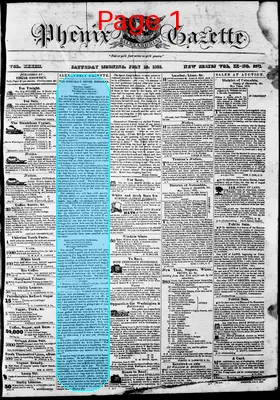
Literary
July 13, 1833
Phenix Gazette
Alexandria, Virginia
What is this article about?
A destitute widow in Pine Cottage shares her last herring with a weary traveler, who reveals himself as her long-lost son, returned wealthy from the Indies. Her faith in Providence is rewarded, and she lives comfortably thereafter. Moral tale of charity and divine provision.
Clipping

OCR Quality
95%
Excellent
Full Text
ALEXANDRIA
GAZETTE.
THE RIGHTEOUS NEVER FORSAKEN.
"Hoot away despair!
Never yield to sorrow-
The blackest sky may wear
A sun'y face to-morrow."
It was Saturday night, and the widow of the Pine Cottage sat by her blazing fagots with her five children by her side endeavoring by listening to the artlessness of their juvenile prattle, to dissipate the heavy gloom that pressed upon her mind. For a year, her own feeble hands had provided for her family, for she had no supporter: she thought of no friend in all the wide, unfriendly world around. But that mysterious Providence, the wisdom of whose ways is above human comprehension, had visited her with wasting sickness, and her little means had become exhausted. It was now, too, mid winter, and the snow lay heavy and deep through all the surrounding forests, while storms still seemed gathering in the heavens, and the driving wind roared amidst the bounding pines, and rocked her puny mansion.
The last herring smoked upon the coals before her; it was the only article of food she possessed, and no wonder her forlorn, desolate state brought up in her lone bosom all the anxieties of a mother when she looked upon her children; and no wonder, forlorn as she was, if she suffered the heart-swellings of despair to arise, even though she knew that he, whose promise is to the widow and orphan, cannot forget his word
Providence had many years before taken from her her eldest son, who went from his Forest home, to try his fortune on the high seas, since which she had heard no note or tidings of him; and latter times had, by death, deprived her of the companion and staff of her earthly pilgrimage, in the person of her husband. Yet to this hour she had been upborne, she had not only been able to provide for her little flock, but had never lost an opportunity of ministering to the wants of the miserable and destitute.
The indolent may well bear with poverty while the ability to gain sustenance remains. The individual who has but his own wants to supply, may suffer with fortitude the niggard of its affections are not wounded, his heart not wrung
The most desolate in populous cities may hope, for charity has not quite closed hand and heart, and shut her eyes on misery
But the industrious mother of helpless and depending children, far from the reach of human charity, has none of these to console her-
And such an one was the widow of the Pine Cottage: but as she bent over the fire and took up the last scanty remnant of food to spread before her children, her spirits seemed to brighten up, as by sudden and mysterious impulse, and Cowper's beautiful lines came uncalled across her mind:
Judge not the Lord by feeble sense,
But trust him for his grace,
Behind a frowning Providence
He hides a smiling face.
The smoked herring was scarcely laid upon the table, when a gentle rap at the door, and the loud barking of a dog, attracted the attention of the family. The children flew to open it, and a weary traveller, in tattered garments, and apparently in indifferent health, entered and begged a lodging and a mouthful of food; said he, "it is now twenty-four hours since I tasted bread."
The widow's heart bled anew, as under a fresh complication of distresses-for her sympathies lingered not around her fireside She hesitated not even now; rest and a share of all she had, she proffered to the stranger.
"We shall not be forsaken," said she, "or suffer deeper for an act of charity."
The traveller drew near the board-but when he saw the scanty fare, he raised his eyes towards Heaven with astonishment-"and is this all your store? and a share of this do you offer to one you know not? then never saw I charity before! but madam," said he, continuing "do you not wrong your children by giving a part of your last mouthful to a stranger?"
"Ah," said the poor widow, and the tear drops gushed into her eyes as she said it, I have a boy, a darling son, somewhere on the face of the wide world, unless Heaven has taken him away, and I only act towards you, as I would that others should act towards him. God, who sent manna from Heaven, can provide for Israel, and how should I this night offend him-if my son should be a wanderer destitute as you, and he should have provided for him a home even as poor as this-were I to turn you unrelieved away."
The widow ended, and the stranger, springing from his seat, clasped her in his arms-"God indeed has provided for such a wandering son- and has given him wealth to reward the goodness of his benefactress-my mother! Oh my mother!"
It was her long lost son, returned to her bosom from the Indies. He had chosen that disguise, that he might the more completely surprise his family; and never was surprise more perfect, or followed by a sweeter cap of joy: The humble residence in the forest was exchanged for one comfortable, and, indeed, beautiful, in the valley. and the widow lived long with her dutiful son, in the enjoyment of worldly plenty, and in the delightful employments of virtue, and at this day the passer by is pointed to the luxuriant willow that spreads its branches broad and green above her grave, while he listens to the recital of this simple tale.-Elmira Rep.
GAZETTE.
THE RIGHTEOUS NEVER FORSAKEN.
"Hoot away despair!
Never yield to sorrow-
The blackest sky may wear
A sun'y face to-morrow."
It was Saturday night, and the widow of the Pine Cottage sat by her blazing fagots with her five children by her side endeavoring by listening to the artlessness of their juvenile prattle, to dissipate the heavy gloom that pressed upon her mind. For a year, her own feeble hands had provided for her family, for she had no supporter: she thought of no friend in all the wide, unfriendly world around. But that mysterious Providence, the wisdom of whose ways is above human comprehension, had visited her with wasting sickness, and her little means had become exhausted. It was now, too, mid winter, and the snow lay heavy and deep through all the surrounding forests, while storms still seemed gathering in the heavens, and the driving wind roared amidst the bounding pines, and rocked her puny mansion.
The last herring smoked upon the coals before her; it was the only article of food she possessed, and no wonder her forlorn, desolate state brought up in her lone bosom all the anxieties of a mother when she looked upon her children; and no wonder, forlorn as she was, if she suffered the heart-swellings of despair to arise, even though she knew that he, whose promise is to the widow and orphan, cannot forget his word
Providence had many years before taken from her her eldest son, who went from his Forest home, to try his fortune on the high seas, since which she had heard no note or tidings of him; and latter times had, by death, deprived her of the companion and staff of her earthly pilgrimage, in the person of her husband. Yet to this hour she had been upborne, she had not only been able to provide for her little flock, but had never lost an opportunity of ministering to the wants of the miserable and destitute.
The indolent may well bear with poverty while the ability to gain sustenance remains. The individual who has but his own wants to supply, may suffer with fortitude the niggard of its affections are not wounded, his heart not wrung
The most desolate in populous cities may hope, for charity has not quite closed hand and heart, and shut her eyes on misery
But the industrious mother of helpless and depending children, far from the reach of human charity, has none of these to console her-
And such an one was the widow of the Pine Cottage: but as she bent over the fire and took up the last scanty remnant of food to spread before her children, her spirits seemed to brighten up, as by sudden and mysterious impulse, and Cowper's beautiful lines came uncalled across her mind:
Judge not the Lord by feeble sense,
But trust him for his grace,
Behind a frowning Providence
He hides a smiling face.
The smoked herring was scarcely laid upon the table, when a gentle rap at the door, and the loud barking of a dog, attracted the attention of the family. The children flew to open it, and a weary traveller, in tattered garments, and apparently in indifferent health, entered and begged a lodging and a mouthful of food; said he, "it is now twenty-four hours since I tasted bread."
The widow's heart bled anew, as under a fresh complication of distresses-for her sympathies lingered not around her fireside She hesitated not even now; rest and a share of all she had, she proffered to the stranger.
"We shall not be forsaken," said she, "or suffer deeper for an act of charity."
The traveller drew near the board-but when he saw the scanty fare, he raised his eyes towards Heaven with astonishment-"and is this all your store? and a share of this do you offer to one you know not? then never saw I charity before! but madam," said he, continuing "do you not wrong your children by giving a part of your last mouthful to a stranger?"
"Ah," said the poor widow, and the tear drops gushed into her eyes as she said it, I have a boy, a darling son, somewhere on the face of the wide world, unless Heaven has taken him away, and I only act towards you, as I would that others should act towards him. God, who sent manna from Heaven, can provide for Israel, and how should I this night offend him-if my son should be a wanderer destitute as you, and he should have provided for him a home even as poor as this-were I to turn you unrelieved away."
The widow ended, and the stranger, springing from his seat, clasped her in his arms-"God indeed has provided for such a wandering son- and has given him wealth to reward the goodness of his benefactress-my mother! Oh my mother!"
It was her long lost son, returned to her bosom from the Indies. He had chosen that disguise, that he might the more completely surprise his family; and never was surprise more perfect, or followed by a sweeter cap of joy: The humble residence in the forest was exchanged for one comfortable, and, indeed, beautiful, in the valley. and the widow lived long with her dutiful son, in the enjoyment of worldly plenty, and in the delightful employments of virtue, and at this day the passer by is pointed to the luxuriant willow that spreads its branches broad and green above her grave, while he listens to the recital of this simple tale.-Elmira Rep.
What sub-type of article is it?
Prose Fiction
What themes does it cover?
Religious
Moral Virtue
What keywords are associated?
Widow
Providence
Charity
Lost Son
Moral Tale
Poverty
Faith
What entities or persons were involved?
Elmira Rep.
Literary Details
Title
The Righteous Never Forsaken.
Author
Elmira Rep.
Key Lines
"Hoot Away Despair!
Never Yield To Sorrow
The Blackest Sky May Wear
A Sun'y Face To Morrow."
Judge Not The Lord By Feeble Sense,
But Trust Him For His Grace,
Behind A Frowning Providence
He Hides A Smiling Face.
"We Shall Not Be Forsaken," Said She, "Or Suffer Deeper For An Act Of Charity."
"God Indeed Has Provided For Such A Wandering Son And Has Given Him Wealth To Reward The Goodness Of His Benefactress My Mother! Oh My Mother!"