Thank you for visiting SNEWPapers!
Sign up free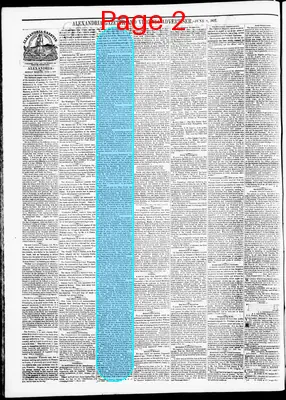
Story
June 8, 1857
Alexandria Gazette
Alexandria, Alexandria County, District Of Columbia
What is this article about?
Historical account of the 1825 Beauchamp tragedy: Young lawyer J.W. Beauchamp murders Kentucky politician Col. Solomon P. Sharpe in revenge for seducing Anna Cooke, whom Beauchamp later marries. Based on Beauchamp's rare 1826 confession pamphlet.
Clipping

OCR Quality
95%
Excellent
Full Text
The Beauchamp Tragedy in Kentucky.
We were led, a short time since, to recall, in connection with the novel of W. Gilmore Simms, and review the circumstances connected with the well-nigh forgotten Beauchamp tragedy, in which everybody in the country was interested thirty years ago. In noticing Mrs. Howe's new play, recently, we spoke of its similarity in a single point to this Beauchamp story; but the whole history of the strange affair is worth recalling from oblivion.
Our main authority is the confession of Beauchamp, made shortly before his execution, and printed in a thick pamphlet, at Bloomfield, Kentucky, in 1826. This pamphlet, which contains also some letters of Beauchamp, some verses by himself and his wife, and an account of his last hours, is exceedingly rare, the only copy we have ever seen being that belonging to the Boston Athenaeum; and we heartily wish it could be reprinted, for it has vastly more interest than any novel Mr. Simms ever wrote.
On the night of Sunday, the 6th of November, 1825, Col. Solomon P. Sharpe, one of the foremost lawyers in Kentucky, formerly Attorney General of the State, some years earlier a member of Congress, and at that time a leader in the newly elected State Assembly, was murdered at Frankfort, under circumstances of peculiar atrocity. He was roused from his bed by some one knocking at his door, and he was there seized by the assassin, who, after some words, stabbed him to the heart, almost in sight of his wife, who rushed to his side, but too late to hear a syllable from him, or to learn, in any way who was his murderer.
Suspicion soon fell, however, on a young lawyer named Beauchamp, who was arrested, tried, and condemned, apparently on false evidence, but who yet was the real murderer. Party animosity, then furiously excited throughout the State, by some question relating to the courts, ascribed the murder to political hatred, for Sharpe was the leader of his party, and the idol of the people; nor was it till after the trial that the astounding story of Beauchamp's actual crime, and his reasons for it, were made public by his own ingenuous confession.
Some years before, apparently as early as 1818, Col. Sharpe had seduced Miss Annie Cooke, a young lady of respectable family, educated and refined, and as appears from her subsequent course, of unusual force and severity of character. Proud and intense of feeling, she withdrew entirely from the society where she had been admired and courted, and with her widowed mother, her books, and her slaves, she hid her disgrace in the complete seclusion of a Kentucky plantation.
It was here that young Beauchamp, in a fatal hour for both, sought her out, urged himself on her acquaintance, fell passionately in love with her, and, led on by his passion, devoted himself, with a barbarous magnanimity, to her dreadful thirst for vengeance on her betrayer. He cannot have been more than nineteen years old at this time, and he had been on the point of commencing the study of law with Col. Sharpe, when he was repelled from such a connection by the story of his villainy towards Miss Cooke. Generous, though ungovernable of temper, he looked with aversion on a man so stained—regarding him as "no better than a horse thief," as he himself naively says.
His natural pity for Miss Cooke was strengthened by the praises bestowed on her beauty and wit, by a friend of his, who had been her former admirer. He visited her in her self-imprisonment, but she refused to see him; he insisted, and she at last came forth, but she received him coldly. He pretended a desire to use her library, and borrowed a book which gave him a pretext to call again in a few days, when he again saw her. Little by little her reserve wore off, while his enthusiasm for her grew into fervent love. He urged his suit, and besought her hand in marriage, which she at first steadily refused, and only yielded finally on condition that he should first kill Col. Sharpe.
This was in 1821, and in the autumn of that year he went to Frankfort, for the express purpose of challenging Sharpe, and of shooting him if he declined. The two walked out together, along the river at Frankfort, and when they had come to a retired place outside the town, Beauchamp disclosed to Sharpe in what relation he stood to Miss Cooke, and asked if he would fight him.—Sharpe said he could not fight in such a cause—he would let himself be killed rather than do it; and falling on his knees, he implored Beauchamp not to kill him. The hate of the enraged man turned to scorn at what he thought the most glaring cowardice—he struck Sharpe in the face, called him by the most insulting names, and swore he would cane him in the streets every day till he forced him to a duel. They parted, and early next morning Sharpe left Frankfort, and Beauchamp lost his opportunity.
Miss Cooke now resolved to kill her betrayer with her own hand, and together with Beauchamp, she contrived a plot as artful as that by which Lenore betrays Lothaire, to bring him to her house, where she could shoot him. This failed, and after a long time she gave up her cherished plan, and left the murder again to Beauchamp; who, meanwhile, by a sophistry such as familiarity with a dreadful purpose often produces, had persuaded himself that it would be right to kill his enemy, not openly, as he had at first purposed, but by assassination.
Accordingly, after his marriage with Miss Cooke, in June, 1824, he formed his plans for the deed. Never was a murder more deliberately committed. For more than a year he was busy making arrangements, so that no evidence could be brought against him. He even deferred the act till after an election, hoping that Thompson, who ran for Governor against Desha, in 1824, would pardon him if he were chosen, as he was not. Disappointed in this, he determined to kill Sharpe at such a time that his death would seem occasioned by political enmity; for which reason he chose the beginning of a session of the Legislature, in which, as we have said, Sharpe was a prominent man.
He travelled to Frankfort, as if on business, lodged at the house of a relative of Col. Sharpe, and, disguised as a negro, he lurked about the house of his victim till he made sure he was within. He then knocked, called him to the door, showed his face, that he might have the agony of knowing who his murderer was, and then stabbed him to the heart. The unfortunate man knew his assassin, but so sure had been the blow, that the only words he spoke were, "Pray, Mr. Beauchamp," at the same time striving to throw his arms about his neck: but no one heard that exclamation, and Beauchamp had the satisfaction of seeing that no such evidence as this could be brought against him.
He lingered near the house till he was seen by Mrs. Sharpe; then went back to his lodging. After having resumed his own dress and with a tranquil and satisfied heart, as he says himself, he lay down to sleep.
In the morning, the whole town was in excitement at the horrid deed. Beauchamp's host suspected him, but his calm demeanor did away with all suspicion, and he was allowed to leave Frankfort without molestation. As he drew near home, his wife, who had been anxiously awaiting his return, saw him approach waving a red flag, which had been the token of success agreed upon between them. She was full of joy, like himself, at the fulfilment of her just vengeance, as they thought it, and they talked over all the details of the crime, with a fearful satisfaction.
*Beauchamp: a Sequel to Chariamont. By W. Gilmore Simms. Redfield, New York.
We were led, a short time since, to recall, in connection with the novel of W. Gilmore Simms, and review the circumstances connected with the well-nigh forgotten Beauchamp tragedy, in which everybody in the country was interested thirty years ago. In noticing Mrs. Howe's new play, recently, we spoke of its similarity in a single point to this Beauchamp story; but the whole history of the strange affair is worth recalling from oblivion.
Our main authority is the confession of Beauchamp, made shortly before his execution, and printed in a thick pamphlet, at Bloomfield, Kentucky, in 1826. This pamphlet, which contains also some letters of Beauchamp, some verses by himself and his wife, and an account of his last hours, is exceedingly rare, the only copy we have ever seen being that belonging to the Boston Athenaeum; and we heartily wish it could be reprinted, for it has vastly more interest than any novel Mr. Simms ever wrote.
On the night of Sunday, the 6th of November, 1825, Col. Solomon P. Sharpe, one of the foremost lawyers in Kentucky, formerly Attorney General of the State, some years earlier a member of Congress, and at that time a leader in the newly elected State Assembly, was murdered at Frankfort, under circumstances of peculiar atrocity. He was roused from his bed by some one knocking at his door, and he was there seized by the assassin, who, after some words, stabbed him to the heart, almost in sight of his wife, who rushed to his side, but too late to hear a syllable from him, or to learn, in any way who was his murderer.
Suspicion soon fell, however, on a young lawyer named Beauchamp, who was arrested, tried, and condemned, apparently on false evidence, but who yet was the real murderer. Party animosity, then furiously excited throughout the State, by some question relating to the courts, ascribed the murder to political hatred, for Sharpe was the leader of his party, and the idol of the people; nor was it till after the trial that the astounding story of Beauchamp's actual crime, and his reasons for it, were made public by his own ingenuous confession.
Some years before, apparently as early as 1818, Col. Sharpe had seduced Miss Annie Cooke, a young lady of respectable family, educated and refined, and as appears from her subsequent course, of unusual force and severity of character. Proud and intense of feeling, she withdrew entirely from the society where she had been admired and courted, and with her widowed mother, her books, and her slaves, she hid her disgrace in the complete seclusion of a Kentucky plantation.
It was here that young Beauchamp, in a fatal hour for both, sought her out, urged himself on her acquaintance, fell passionately in love with her, and, led on by his passion, devoted himself, with a barbarous magnanimity, to her dreadful thirst for vengeance on her betrayer. He cannot have been more than nineteen years old at this time, and he had been on the point of commencing the study of law with Col. Sharpe, when he was repelled from such a connection by the story of his villainy towards Miss Cooke. Generous, though ungovernable of temper, he looked with aversion on a man so stained—regarding him as "no better than a horse thief," as he himself naively says.
His natural pity for Miss Cooke was strengthened by the praises bestowed on her beauty and wit, by a friend of his, who had been her former admirer. He visited her in her self-imprisonment, but she refused to see him; he insisted, and she at last came forth, but she received him coldly. He pretended a desire to use her library, and borrowed a book which gave him a pretext to call again in a few days, when he again saw her. Little by little her reserve wore off, while his enthusiasm for her grew into fervent love. He urged his suit, and besought her hand in marriage, which she at first steadily refused, and only yielded finally on condition that he should first kill Col. Sharpe.
This was in 1821, and in the autumn of that year he went to Frankfort, for the express purpose of challenging Sharpe, and of shooting him if he declined. The two walked out together, along the river at Frankfort, and when they had come to a retired place outside the town, Beauchamp disclosed to Sharpe in what relation he stood to Miss Cooke, and asked if he would fight him.—Sharpe said he could not fight in such a cause—he would let himself be killed rather than do it; and falling on his knees, he implored Beauchamp not to kill him. The hate of the enraged man turned to scorn at what he thought the most glaring cowardice—he struck Sharpe in the face, called him by the most insulting names, and swore he would cane him in the streets every day till he forced him to a duel. They parted, and early next morning Sharpe left Frankfort, and Beauchamp lost his opportunity.
Miss Cooke now resolved to kill her betrayer with her own hand, and together with Beauchamp, she contrived a plot as artful as that by which Lenore betrays Lothaire, to bring him to her house, where she could shoot him. This failed, and after a long time she gave up her cherished plan, and left the murder again to Beauchamp; who, meanwhile, by a sophistry such as familiarity with a dreadful purpose often produces, had persuaded himself that it would be right to kill his enemy, not openly, as he had at first purposed, but by assassination.
Accordingly, after his marriage with Miss Cooke, in June, 1824, he formed his plans for the deed. Never was a murder more deliberately committed. For more than a year he was busy making arrangements, so that no evidence could be brought against him. He even deferred the act till after an election, hoping that Thompson, who ran for Governor against Desha, in 1824, would pardon him if he were chosen, as he was not. Disappointed in this, he determined to kill Sharpe at such a time that his death would seem occasioned by political enmity; for which reason he chose the beginning of a session of the Legislature, in which, as we have said, Sharpe was a prominent man.
He travelled to Frankfort, as if on business, lodged at the house of a relative of Col. Sharpe, and, disguised as a negro, he lurked about the house of his victim till he made sure he was within. He then knocked, called him to the door, showed his face, that he might have the agony of knowing who his murderer was, and then stabbed him to the heart. The unfortunate man knew his assassin, but so sure had been the blow, that the only words he spoke were, "Pray, Mr. Beauchamp," at the same time striving to throw his arms about his neck: but no one heard that exclamation, and Beauchamp had the satisfaction of seeing that no such evidence as this could be brought against him.
He lingered near the house till he was seen by Mrs. Sharpe; then went back to his lodging. After having resumed his own dress and with a tranquil and satisfied heart, as he says himself, he lay down to sleep.
In the morning, the whole town was in excitement at the horrid deed. Beauchamp's host suspected him, but his calm demeanor did away with all suspicion, and he was allowed to leave Frankfort without molestation. As he drew near home, his wife, who had been anxiously awaiting his return, saw him approach waving a red flag, which had been the token of success agreed upon between them. She was full of joy, like himself, at the fulfilment of her just vengeance, as they thought it, and they talked over all the details of the crime, with a fearful satisfaction.
*Beauchamp: a Sequel to Chariamont. By W. Gilmore Simms. Redfield, New York.
What sub-type of article is it?
Crime Story
Tragedy
Historical Event
What themes does it cover?
Revenge
Betrayal
Crime Punishment
What keywords are associated?
Beauchamp Tragedy
Murder
Revenge
Seduction
Assassination
Confession
Kentucky
What entities or persons were involved?
Beauchamp
Col. Solomon P. Sharpe
Miss Annie Cooke
Where did it happen?
Kentucky, Frankfort
Story Details
Key Persons
Beauchamp
Col. Solomon P. Sharpe
Miss Annie Cooke
Location
Kentucky, Frankfort
Event Date
November 6, 1825
Story Details
Col. Solomon P. Sharpe seduced Miss Annie Cooke around 1818. In 1821, young lawyer Beauchamp fell in love with her, married her in 1824 after promising to kill Sharpe, and assassinated him on November 6, 1825, in revenge. Beauchamp confessed before his execution.