Thank you for visiting SNEWPapers!
Sign up free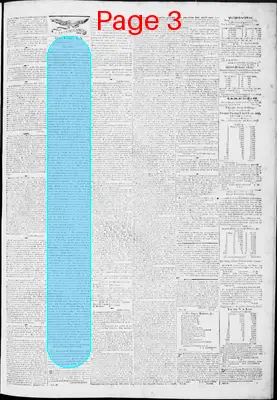
Editorial
November 26, 1827
The Virginian
Lynchburg, Virginia
What is this article about?
Editorial in The Virginian defends John Quincy Adams and Henry Clay against slanders by political opponents like Kremer, Ingham, and Jackson, drawing parallels to historical abuses of Washington, Jefferson, and Madison, asserting truth will vindicate them.
Clipping

OCR Quality
95%
Excellent
Full Text
THE VIRGINIAN.
LYNCHBURG, NOV. 26, 1827.
THE TIMES,
That "the times are out of joint" is clearly evident to the most casual observer. When we see men whose whole lives have been characterized by a strict observance of all the moral and social obligations which law, religion and custom impose on them, subjected to the slanders and abuse of wretches who have only risen to the surface of the waters because of their agitation, it almost induces one to abhor the species to which he belongs. Mr. Adams,—a man whose close adherence to morality and virtue acquired for him the name of Puritan (though contemptuously applied,) is at the same moment, and in the same breath, charged with vices which would disgrace any man in the estimation of the world, if he were believed to be guilty of them even by those who have the hardihood and effrontery to express a belief in the truth of the allegations. Mr. Clay,—whose bold and fearless spirit has ever disdained concealment, and whose energies have been exerted in advancing the interests and glory of his country,—who was at one time the idol of the party which raised Mr. Jefferson and Mr. Madison to power—and upon whose integrity, in public and private life, no breath of suspicion had ever rested, is charged by such fools as Kremer and such knaves as Ingham, Green, Simpson, and other choice spirits, with corruption, bribery, intrigue and every other vice which ought to have ruined a public man. And, strange to say, a great portion of the American people believe these things. A people who ought to be, and who are enlightened, pronounce men to be fanatics, who, until their heads had been whitened by age, bore honest characters, and who had shared largely in the esteem and confidence of their country, because such a dolt as George Kremer, who is only known for his impudence and his brutal excesses, chose to say so, and because Eaton, McDuffie &c. actuated by envy and personal hostility, endorsed it, knowing it to be false. But why need we wonder? Did not the infamous Titus Oates once convulse England, by slandering some of the men whose names most adorn her history? Did not, at a later day, the cry of 'No Wooden Shoes,' inspire a brutal rabble with demoniac enthusiasm, and threaten the peace of an empire? Even in our own country, short as its history has been, how frequent have been the instances of popular delusion and repentance? Was not Washington, the father of his country, abused and vilified? And by whom? By Giles, and Randolph, and Andrew Jackson, the two first of whom, by some strange fatality, have survived the memory of their misdeeds, and are found again engaged in the dirty work of tearing to tatters the reputations of better men; and the last, enacting in character, of such deep cunning and hypocrisy as to throw in the shade Dr. Cantwell himself—that prince of hypocrites! And now Mount Vernon is regarded, or affected to be regarded, even by the basest of the slanderers of him whose ashes rest in its consecrated soil, as holy ground! Thomas Jefferson too—how was he abused! Was he not charged with 'every species of crime inconsistent with personal honesty'? Was he not called immoral in private and dishonest in public? the 'high priest of modelity,' the 'curse of his country'? Yes: and Randolph, who is now applying the same epithets to Mr. Adams, exclaimed against him with as loud a voice as Pickering himself. But now, the popular delusion has passed away: and they who abused the author of the Declaration of Independence, are glad to make repentant pilgrimages to his tomb, and to gather some relic of the man whose 'lustrous orb they strove to quench.'—James Madison was subjected to the same ordeal—he too, had to pass through the same fiery furnace—to hear himself daily abused by pick-pockets, his motives misrepresented—his designs distorted—his measures ridiculed—his character slandered—but he outrode the storm in triumph, and has lived to see them all vindicated. In fine, what eminent man has not been abused? Not one. Public men, more than any others, illustrate the forcible remark of the Poet of Nature, 'Be thou as pure as snow, as chaste as ice, thou shalt not escape calumny!' What right have Messrs. Adams and Clay, then, to more expect an exemption from the common lot? Has human nature changed? Are there no longer villains in the world to invent slanders, or dupes to believe them? Are there none whose envious natures cannot brook the idea that there is another higher than themselves? Are there none whose soaring spirits love to aim at 'shining marks,' and to dim the brilliancy which they cannot extinguish? Let the records of the times answer. But, impartial history will record the truth. When faction and discord shall cease to influence men's opinions, and truth & reason shall have fair play, it will be acknowledged that all the charges which have been adduced against Messrs. Adams and Clay are falsehoods—and it will be inscribed on their tombs, with all the other illustrious patriots of the land, that the object of their exertions was the advancement of their country's interests.—And where, then, will be Kremer, and the 'rabble rout' who follow at his heels, and who are worthy of such a leader? Gone down 'To the vile dust from whence they sprung, Unwept, unhonored and unsung.'
'A Friend to the Administration,' alluding to the proceedings of the Anti-Jackson meeting in Amherst, cannot be inserted unless the author gives us his name. He refers to individuals whom we have neither the right or disposition to bring before the public without their consent.
LYNCHBURG, NOV. 26, 1827.
THE TIMES,
That "the times are out of joint" is clearly evident to the most casual observer. When we see men whose whole lives have been characterized by a strict observance of all the moral and social obligations which law, religion and custom impose on them, subjected to the slanders and abuse of wretches who have only risen to the surface of the waters because of their agitation, it almost induces one to abhor the species to which he belongs. Mr. Adams,—a man whose close adherence to morality and virtue acquired for him the name of Puritan (though contemptuously applied,) is at the same moment, and in the same breath, charged with vices which would disgrace any man in the estimation of the world, if he were believed to be guilty of them even by those who have the hardihood and effrontery to express a belief in the truth of the allegations. Mr. Clay,—whose bold and fearless spirit has ever disdained concealment, and whose energies have been exerted in advancing the interests and glory of his country,—who was at one time the idol of the party which raised Mr. Jefferson and Mr. Madison to power—and upon whose integrity, in public and private life, no breath of suspicion had ever rested, is charged by such fools as Kremer and such knaves as Ingham, Green, Simpson, and other choice spirits, with corruption, bribery, intrigue and every other vice which ought to have ruined a public man. And, strange to say, a great portion of the American people believe these things. A people who ought to be, and who are enlightened, pronounce men to be fanatics, who, until their heads had been whitened by age, bore honest characters, and who had shared largely in the esteem and confidence of their country, because such a dolt as George Kremer, who is only known for his impudence and his brutal excesses, chose to say so, and because Eaton, McDuffie &c. actuated by envy and personal hostility, endorsed it, knowing it to be false. But why need we wonder? Did not the infamous Titus Oates once convulse England, by slandering some of the men whose names most adorn her history? Did not, at a later day, the cry of 'No Wooden Shoes,' inspire a brutal rabble with demoniac enthusiasm, and threaten the peace of an empire? Even in our own country, short as its history has been, how frequent have been the instances of popular delusion and repentance? Was not Washington, the father of his country, abused and vilified? And by whom? By Giles, and Randolph, and Andrew Jackson, the two first of whom, by some strange fatality, have survived the memory of their misdeeds, and are found again engaged in the dirty work of tearing to tatters the reputations of better men; and the last, enacting in character, of such deep cunning and hypocrisy as to throw in the shade Dr. Cantwell himself—that prince of hypocrites! And now Mount Vernon is regarded, or affected to be regarded, even by the basest of the slanderers of him whose ashes rest in its consecrated soil, as holy ground! Thomas Jefferson too—how was he abused! Was he not charged with 'every species of crime inconsistent with personal honesty'? Was he not called immoral in private and dishonest in public? the 'high priest of modelity,' the 'curse of his country'? Yes: and Randolph, who is now applying the same epithets to Mr. Adams, exclaimed against him with as loud a voice as Pickering himself. But now, the popular delusion has passed away: and they who abused the author of the Declaration of Independence, are glad to make repentant pilgrimages to his tomb, and to gather some relic of the man whose 'lustrous orb they strove to quench.'—James Madison was subjected to the same ordeal—he too, had to pass through the same fiery furnace—to hear himself daily abused by pick-pockets, his motives misrepresented—his designs distorted—his measures ridiculed—his character slandered—but he outrode the storm in triumph, and has lived to see them all vindicated. In fine, what eminent man has not been abused? Not one. Public men, more than any others, illustrate the forcible remark of the Poet of Nature, 'Be thou as pure as snow, as chaste as ice, thou shalt not escape calumny!' What right have Messrs. Adams and Clay, then, to more expect an exemption from the common lot? Has human nature changed? Are there no longer villains in the world to invent slanders, or dupes to believe them? Are there none whose envious natures cannot brook the idea that there is another higher than themselves? Are there none whose soaring spirits love to aim at 'shining marks,' and to dim the brilliancy which they cannot extinguish? Let the records of the times answer. But, impartial history will record the truth. When faction and discord shall cease to influence men's opinions, and truth & reason shall have fair play, it will be acknowledged that all the charges which have been adduced against Messrs. Adams and Clay are falsehoods—and it will be inscribed on their tombs, with all the other illustrious patriots of the land, that the object of their exertions was the advancement of their country's interests.—And where, then, will be Kremer, and the 'rabble rout' who follow at his heels, and who are worthy of such a leader? Gone down 'To the vile dust from whence they sprung, Unwept, unhonored and unsung.'
'A Friend to the Administration,' alluding to the proceedings of the Anti-Jackson meeting in Amherst, cannot be inserted unless the author gives us his name. He refers to individuals whom we have neither the right or disposition to bring before the public without their consent.
What sub-type of article is it?
Partisan Politics
What keywords are associated?
Political Slander
Adams Clay Defense
Partisan Attacks
Historical Figures Abuse
Popular Delusion
What entities or persons were involved?
Mr. Adams
Mr. Clay
Kremer
Ingham
Green
Simpson
Eaton
Mcduffie
Washington
Jefferson
Madison
Giles
Randolph
Andrew Jackson
Editorial Details
Primary Topic
Defense Of Adams And Clay Against Political Slanders
Stance / Tone
Strongly Supportive Of Adams And Clay, Condemnatory Of Their Slanderers
Key Figures
Mr. Adams
Mr. Clay
Kremer
Ingham
Green
Simpson
Eaton
Mcduffie
Washington
Jefferson
Madison
Giles
Randolph
Andrew Jackson
Key Arguments
Great Men Like Adams And Clay Are Slandered By Unworthy Individuals Despite Their Moral Character
Historical Examples Show Even Washington, Jefferson, And Madison Faced Similar Abuse
Popular Delusions Lead People To Believe Falsehoods, But Truth Will Eventually Prevail
Slanderers Like Kremer And Jackson Will Be Forgotten And Dishonored