Thank you for visiting SNEWPapers!
Sign up free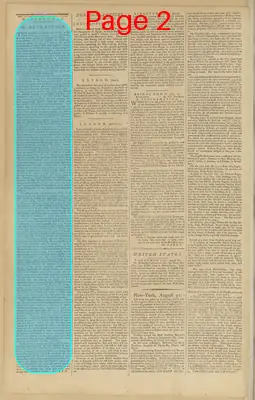
Literary
August 31, 1787
The New York Packet
New York, New York County, New York
What is this article about?
This moral essay condemns detraction and calumny as destroyers of reputation and social harmony, praising integrity and defense of the innocent. It warns against slanderers, urges generosity, and quotes Plato and Herodotus on the madness and harm of defamation.
Clipping

OCR Quality
98%
Excellent
Full Text
MISCELLANY
ON DETRACTION.
THAT mankind in general are too apt to detract from the good name of their neighbour, is a fact which cannot be disputed.--There are some persons who would practise the basest methods to elevate themselves to stations they would be incapable of filling with any degree of honor, and asperse the worthy character, if they imagined they could enhance their own merit;--but we know that virtue will triumph over the designs of the calumniator, and although his heart is frequently callous to the suggestions of wisdom, he must sometimes be susceptible.--Innocence, in the estimation of the world, may suffer from the ungenerous observations of the detractor, but the mind conscious of its rectitude, will rest unhurt amid the base innuendos of the slanderer, and animated by integrity, will stand firm and undaunted.
Calumny is the bane of social life, as it destroys every friendly feeling, for it eradicates every generous sentiment of the heart,--when this is encouraged, every noble idea is debased, and the fountain from which issued the pure and gentle stream becomes polluted by an unfriendly poisonous weed.
There are some persons who are so insensible to the amiable feelings of the heart, that they take pleasure in calumnizing the most worthy characters,--and we commonly find this unmanly blemish in groveling minds.--There are many who are possessed of a genius for misrepresentation. "As waters pure as crystals from the fountain, frequently are tinctured with the minerals through which they pass, so the most harmless expressions, and innocent facts, receive a colouring of baseness from the persons who communicate them." There are also those under whose tongues dwells the poison of asps, by which, through the sly whispers of malice, many a fair character has been basely poisoned and destroyed.--These calumniating geniuses, these pests to social life, are cowards, and act in the dark, so that a man's reputation is frequently stabbed by some unknown hand, and at a time he little thought of it.--Grant me, kind heaven, at such a time, a friend who will not suffer my reputation to be defamed, and remain indifferent, but who will be assiduous to stop the progress of the daring calumniator.--The occupations of life call us from one situation to another, and often when we are absent, does the defamer lurk around, to destroy, if possible, our reputations; if by so doing he can ingratiate himself into the good opinion of those whose minds are too credulous; and who are apt to form their determinations of a character from what they partially hear--To such I would observe, that they cannot be your friends who wish to rise in your esteem at the expense of another.--How unsafe is it to listen to the whispers of the defamer, as he must be ungenerous in his conduct, and unprincipled in his sentiments, will he therefore be confided in? and shall we suffer our happiness to depend upon the chicanery of a slanderer, who will prove our enemy? for as he is fickle in his conduct, if we attend to his insinuations we are exposed to his malicious designs.
The man who has a generous soul, whose mind is ennobled by the principles of integrity, never suffers himself to wound the reputation of another; his bosom being warmed with philanthropy, he considers his neighbour's reputation as dear to him as his own;--and should scandal be the topic of the conversation, he would either leave the company, or generously stand forth in the defence of the absent person; and if he could not convince them that scandal has a tendency to vitiate the morals, he would look at them with the frown of contempt.--There are many who practise the most sinister views to promote their own happiness, and here let me ask, what kind of happiness is that, which, when indulged to us, --the continuance of it depends upon the false misrepresentations of others? Is it lasting happiness,--is it suitable to our natures?--and can it quadrate with that pleasure and satisfaction which result from our acting upon the most generous plan? viz. that of veiling the imperfections of our fellow creatures, with the mantle of candor, and wherever we see worth faintly shooting in the shades of obscurity, to diffuse the sunshine of friendship around it.--How dear, how valuable are our reputations, to secure them we would sacrifice even life, and brand the man with eternal infamy, who should dare to suggest any thing that might wound them.--How oft have the tenderest friendships been dissolved by calumny, the disturber of social happiness,--it has created jealousies, obstructed the pleasing intercourse of mutual friends, and caused suspicion to range at large.--The person who delights in calumny, will intrude himself into company, and when he retires will, in the next company he falls into, tell what he has heard, and as an observation never loses any thing by being told from one company to another, but is generally exaggerated, so the calumniator will, in every company he meets with, utter the most cruel speeches possible--his observations may excite a laugh from those whose minds are as contracted as his own, but the generous man will view him with contempt.
Plato reckons a defamer among madmen, "there (says he) are several sorts of madmen, some are chained in their beds; others, by a depravity of nature, by bad nourishment, and a weakness of mind, are enraged against each other, and tear to pieces the reputation of those by whom they think themselves injured." Herodotus looks upon detraction as very injurious to a state in general, and observes, that in calumnizing, there are always two that are injurious and one who suffers, viz. the detractor who throws his dirt, the man who listens with pleasure to it, and the person against whom their malice is directed--men wounded in their reputations must in a manner be more than men to overcome their resentment, and we see by daily experience, that gentlemen, men of honor, esteem their lives cheap when in comparison with their character.
While there are many who despise the slanderer, let them be careful that they are uniform in their conduct, while they endeavor to cultivate benevolence; it becomes them to practise every thing that is amiable and good, then will you have the applauding smile of Heaven, a consciousness of your own rectitude will defend you from the shafts of calumny, and though they may slightly wound the bosom of sensibility, yet virtue with all her pleasing charms will blunt their edge, and when nature drops the inevitable tear, reason will crown your tombs with triumphant laurels. PLATO.
ON DETRACTION.
THAT mankind in general are too apt to detract from the good name of their neighbour, is a fact which cannot be disputed.--There are some persons who would practise the basest methods to elevate themselves to stations they would be incapable of filling with any degree of honor, and asperse the worthy character, if they imagined they could enhance their own merit;--but we know that virtue will triumph over the designs of the calumniator, and although his heart is frequently callous to the suggestions of wisdom, he must sometimes be susceptible.--Innocence, in the estimation of the world, may suffer from the ungenerous observations of the detractor, but the mind conscious of its rectitude, will rest unhurt amid the base innuendos of the slanderer, and animated by integrity, will stand firm and undaunted.
Calumny is the bane of social life, as it destroys every friendly feeling, for it eradicates every generous sentiment of the heart,--when this is encouraged, every noble idea is debased, and the fountain from which issued the pure and gentle stream becomes polluted by an unfriendly poisonous weed.
There are some persons who are so insensible to the amiable feelings of the heart, that they take pleasure in calumnizing the most worthy characters,--and we commonly find this unmanly blemish in groveling minds.--There are many who are possessed of a genius for misrepresentation. "As waters pure as crystals from the fountain, frequently are tinctured with the minerals through which they pass, so the most harmless expressions, and innocent facts, receive a colouring of baseness from the persons who communicate them." There are also those under whose tongues dwells the poison of asps, by which, through the sly whispers of malice, many a fair character has been basely poisoned and destroyed.--These calumniating geniuses, these pests to social life, are cowards, and act in the dark, so that a man's reputation is frequently stabbed by some unknown hand, and at a time he little thought of it.--Grant me, kind heaven, at such a time, a friend who will not suffer my reputation to be defamed, and remain indifferent, but who will be assiduous to stop the progress of the daring calumniator.--The occupations of life call us from one situation to another, and often when we are absent, does the defamer lurk around, to destroy, if possible, our reputations; if by so doing he can ingratiate himself into the good opinion of those whose minds are too credulous; and who are apt to form their determinations of a character from what they partially hear--To such I would observe, that they cannot be your friends who wish to rise in your esteem at the expense of another.--How unsafe is it to listen to the whispers of the defamer, as he must be ungenerous in his conduct, and unprincipled in his sentiments, will he therefore be confided in? and shall we suffer our happiness to depend upon the chicanery of a slanderer, who will prove our enemy? for as he is fickle in his conduct, if we attend to his insinuations we are exposed to his malicious designs.
The man who has a generous soul, whose mind is ennobled by the principles of integrity, never suffers himself to wound the reputation of another; his bosom being warmed with philanthropy, he considers his neighbour's reputation as dear to him as his own;--and should scandal be the topic of the conversation, he would either leave the company, or generously stand forth in the defence of the absent person; and if he could not convince them that scandal has a tendency to vitiate the morals, he would look at them with the frown of contempt.--There are many who practise the most sinister views to promote their own happiness, and here let me ask, what kind of happiness is that, which, when indulged to us, --the continuance of it depends upon the false misrepresentations of others? Is it lasting happiness,--is it suitable to our natures?--and can it quadrate with that pleasure and satisfaction which result from our acting upon the most generous plan? viz. that of veiling the imperfections of our fellow creatures, with the mantle of candor, and wherever we see worth faintly shooting in the shades of obscurity, to diffuse the sunshine of friendship around it.--How dear, how valuable are our reputations, to secure them we would sacrifice even life, and brand the man with eternal infamy, who should dare to suggest any thing that might wound them.--How oft have the tenderest friendships been dissolved by calumny, the disturber of social happiness,--it has created jealousies, obstructed the pleasing intercourse of mutual friends, and caused suspicion to range at large.--The person who delights in calumny, will intrude himself into company, and when he retires will, in the next company he falls into, tell what he has heard, and as an observation never loses any thing by being told from one company to another, but is generally exaggerated, so the calumniator will, in every company he meets with, utter the most cruel speeches possible--his observations may excite a laugh from those whose minds are as contracted as his own, but the generous man will view him with contempt.
Plato reckons a defamer among madmen, "there (says he) are several sorts of madmen, some are chained in their beds; others, by a depravity of nature, by bad nourishment, and a weakness of mind, are enraged against each other, and tear to pieces the reputation of those by whom they think themselves injured." Herodotus looks upon detraction as very injurious to a state in general, and observes, that in calumnizing, there are always two that are injurious and one who suffers, viz. the detractor who throws his dirt, the man who listens with pleasure to it, and the person against whom their malice is directed--men wounded in their reputations must in a manner be more than men to overcome their resentment, and we see by daily experience, that gentlemen, men of honor, esteem their lives cheap when in comparison with their character.
While there are many who despise the slanderer, let them be careful that they are uniform in their conduct, while they endeavor to cultivate benevolence; it becomes them to practise every thing that is amiable and good, then will you have the applauding smile of Heaven, a consciousness of your own rectitude will defend you from the shafts of calumny, and though they may slightly wound the bosom of sensibility, yet virtue with all her pleasing charms will blunt their edge, and when nature drops the inevitable tear, reason will crown your tombs with triumphant laurels. PLATO.
What sub-type of article is it?
Essay
What themes does it cover?
Moral Virtue
Social Manners
Friendship
What keywords are associated?
Detraction
Calumny
Reputation
Slander
Virtue
Integrity
Friendship
Social Harmony
Literary Details
Title
On Detraction
Key Lines
"As Waters Pure As Crystals From The Fountain, Frequently Are Tinctured With The Minerals Through Which They Pass, So The Most Harmless Expressions, And Innocent Facts, Receive A Colouring Of Baseness From The Persons Who Communicate Them."
Plato Reckons A Defamer Among Madmen, "There (Says He) Are Several Sorts Of Madmen, Some Are Chained In Their Beds; Others, By A Depravity Of Nature, By Bad Nourishment, And A Weakness Of Mind, Are Enraged Against Each Other, And Tear To Pieces The Reputation Of Those By Whom They Think Themselves Injured."
Herodotus Looks Upon Detraction As Very Injurious To A State In General, And Observes, That In Calumnizing, There Are Always Two That Are Injurious And One Who Suffers, Viz. The Detractor Who Throws His Dirt, The Man Who Listens With Pleasure To It, And The Person Against Whom Their Malice Is Directed