Thank you for visiting SNEWPapers!
Sign up free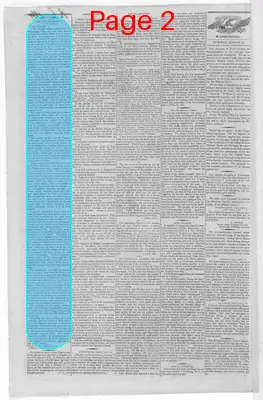
Literary
August 26, 1817
Daily National Intelligencer
Washington, District Of Columbia
What is this article about?
The final installment of 'Sketches of Louisiana' describes rivers like Yazoo, White, and St. Francis, and praises the fertile New Madrid County in Missouri Territory for its soil suitable for various crops, despite past earthquake damage and land title issues. It contrasts regional barrenness with settlement potential west of the Mississippi.
Clipping

OCR Quality
95%
Excellent
Full Text
FROM THE ALEXANDRIA GAZETTE.
SKETCHES OF LOUISIANA
No. VI.—and last.
TO THE EDITOR:
The Yazoo, which empties into the Mississippi from the east side, affords nothing material in either its soil or productions: not being properly in the limits of what was formerly called Louisiana, I shall merely touch at it here, as being one of the branches of the Mississippi, whose direction it keeps in its course through the Chickasaw and Choctaw nations. At the lower part of the latter they form their junction, being about the dividing line between them and the Mississippi territory. From this river the disputed titles of that territory took their name; though its whole extent runs through Indian land, the titles to which are not likely to be extinguished shortly.
North of Arkansas lies the White river. The two are connected together some miles up, by a natural canal, by which, at all seasons of the year, boats can pass; this greatly facilitates the commerce of both places. As this river does not reach to the Great river, but has its source in the mountains below, it is the reverse of the others, in point of color, being always of a crystalline appearance.
It is remarkably well stocked with fish, while in the others scarcely any can be found, and those of a very inferior quality, such as cat, gars, &c. It would seem from this, that most fish are enemies to muddy water.
The land on White river is very mountainous and rocky little of it being fit for cultivation, excepting on the creek bottoms, which are subject to overflow. At the same time it shews signs of being rich in minerals, particularly iron and lead, which may in a great measure compensate for its barrenness; but no part of it can ever afford a compact settlement.
Still higher up lies the St. Francis, which runs some distance parallel with the Mississippi, and is partly formed by the draining of its swamps, and partly by small streams from the west; then it takes a N. W. direction, and heads in the hills of the middle part of the territory.
The land on the river is much better than on that last described, though far from being of the first rate.
To the east of this lies the fertile county of New Madrid, in that angle which the Mississippi makes when it forms a junction with the Ohio. The old town of that name lies on the river, about sixty miles below the junction; but it has been constantly on the decline since the earthquake, which has sunk its site below high water mark. But were travellers generally acquainted with the fertility of the soil back of this, and through the whole county, numbers would stop who now seek graves in Lower Louisiana.
But the jealousy of the old town towards the new seat of justice, prevents them from giving just information to the enquirer—and its remote situation from main highways causes it to be little known.
Picture to yourself a large extensive plain of about one half prairie and the other half woodland, of the most lofty growth dispersed in such a manner that the cultivator can always live contiguous to both, and the whole extent beautifully intersected with lakes, stocked with the most delicious fish. Here nature seems to have exerted herself in combining the beautiful with the useful The soil is as luxuriant as it is possible to be conceived. and well adapted for either wheat, cotton, rice, indigo, or almost any other production of either a southern or northern climate; while, as yet, land can be had on the most reasonable terms, and the use of it obtained for seven years, for the trouble of fencing it. Were the poverty struck tenants of the states apprised of this terrestrial paradise, how soon would they forsake their barren fields, and abjure the luxury of dried herring and blue milk.
The earthquake extended its ravages but a few miles back from the river—not more than three or four to do any damage—and not at all to this part of the country I have been describing; yet this has been the true cause of its retarded population. Congress, by an ill timed lenity, has granted to those who had their lands injured, the right of moving their claims. This has given rise to such a variety of speculations, too tedious and intricate to be described, that it has ultimately resulted in an injury to all concerned, excepting the speculators themselves.
The territory to the north, till you reach the Missouri, is generally barren, and broken into short craggy mountains, though rich in lead and iron mines, and salt springs.
Excepting the land on Red river, in Louisiana, and the county of New Madrid, in the Missouri territory, the country west of the Mississippi may generally be considered as not superior to that east of the Allegany, and lacking for some of the advantages enjoyed there. Yet, at the same time, it offers an advantageous retreat to the indigent of all the states, and a fair prospect that industry will undoubtedly lead to riches.
Winchester, New Madrid County,
(Missouri) May 24th, 1817.
SKETCHES OF LOUISIANA
No. VI.—and last.
TO THE EDITOR:
The Yazoo, which empties into the Mississippi from the east side, affords nothing material in either its soil or productions: not being properly in the limits of what was formerly called Louisiana, I shall merely touch at it here, as being one of the branches of the Mississippi, whose direction it keeps in its course through the Chickasaw and Choctaw nations. At the lower part of the latter they form their junction, being about the dividing line between them and the Mississippi territory. From this river the disputed titles of that territory took their name; though its whole extent runs through Indian land, the titles to which are not likely to be extinguished shortly.
North of Arkansas lies the White river. The two are connected together some miles up, by a natural canal, by which, at all seasons of the year, boats can pass; this greatly facilitates the commerce of both places. As this river does not reach to the Great river, but has its source in the mountains below, it is the reverse of the others, in point of color, being always of a crystalline appearance.
It is remarkably well stocked with fish, while in the others scarcely any can be found, and those of a very inferior quality, such as cat, gars, &c. It would seem from this, that most fish are enemies to muddy water.
The land on White river is very mountainous and rocky little of it being fit for cultivation, excepting on the creek bottoms, which are subject to overflow. At the same time it shews signs of being rich in minerals, particularly iron and lead, which may in a great measure compensate for its barrenness; but no part of it can ever afford a compact settlement.
Still higher up lies the St. Francis, which runs some distance parallel with the Mississippi, and is partly formed by the draining of its swamps, and partly by small streams from the west; then it takes a N. W. direction, and heads in the hills of the middle part of the territory.
The land on the river is much better than on that last described, though far from being of the first rate.
To the east of this lies the fertile county of New Madrid, in that angle which the Mississippi makes when it forms a junction with the Ohio. The old town of that name lies on the river, about sixty miles below the junction; but it has been constantly on the decline since the earthquake, which has sunk its site below high water mark. But were travellers generally acquainted with the fertility of the soil back of this, and through the whole county, numbers would stop who now seek graves in Lower Louisiana.
But the jealousy of the old town towards the new seat of justice, prevents them from giving just information to the enquirer—and its remote situation from main highways causes it to be little known.
Picture to yourself a large extensive plain of about one half prairie and the other half woodland, of the most lofty growth dispersed in such a manner that the cultivator can always live contiguous to both, and the whole extent beautifully intersected with lakes, stocked with the most delicious fish. Here nature seems to have exerted herself in combining the beautiful with the useful The soil is as luxuriant as it is possible to be conceived. and well adapted for either wheat, cotton, rice, indigo, or almost any other production of either a southern or northern climate; while, as yet, land can be had on the most reasonable terms, and the use of it obtained for seven years, for the trouble of fencing it. Were the poverty struck tenants of the states apprised of this terrestrial paradise, how soon would they forsake their barren fields, and abjure the luxury of dried herring and blue milk.
The earthquake extended its ravages but a few miles back from the river—not more than three or four to do any damage—and not at all to this part of the country I have been describing; yet this has been the true cause of its retarded population. Congress, by an ill timed lenity, has granted to those who had their lands injured, the right of moving their claims. This has given rise to such a variety of speculations, too tedious and intricate to be described, that it has ultimately resulted in an injury to all concerned, excepting the speculators themselves.
The territory to the north, till you reach the Missouri, is generally barren, and broken into short craggy mountains, though rich in lead and iron mines, and salt springs.
Excepting the land on Red river, in Louisiana, and the county of New Madrid, in the Missouri territory, the country west of the Mississippi may generally be considered as not superior to that east of the Allegany, and lacking for some of the advantages enjoyed there. Yet, at the same time, it offers an advantageous retreat to the indigent of all the states, and a fair prospect that industry will undoubtedly lead to riches.
Winchester, New Madrid County,
(Missouri) May 24th, 1817.
What sub-type of article is it?
Essay
What themes does it cover?
Agriculture Rural
Political
Commerce Trade
What keywords are associated?
Louisiana Sketch
Mississippi Rivers
New Madrid
Fertile Soil
Earthquake Damage
Land Titles
Settlement Potential
Literary Details
Title
Sketches Of Louisiana No. Vi.—And Last.
Subject
Descriptions Of Rivers And Regions In Louisiana And Missouri Territory
Key Lines
Picture To Yourself A Large Extensive Plain Of About One Half Prairie And The Other Half Woodland, Of The Most Lofty Growth Dispersed In Such A Manner That The Cultivator Can Always Live Contiguous To Both, And The Whole Extent Beautifully Intersected With Lakes, Stocked With The Most Delicious Fish. Here Nature Seems To Have Exerted Herself In Combining The Beautiful With The Useful The Soil Is As Luxuriant As It Is Possible To Be Conceived.
Were The Poverty Struck Tenants Of The States Apprised Of This Terrestrial Paradise, How Soon Would They Forsake Their Barren Fields, And Abjure The Luxury Of Dried Herring And Blue Milk.