Thank you for visiting SNEWPapers!
Sign up free
Literary
October 27, 1838
New Hampshire Statesman And State Journal
Concord, Merrimack County, New Hampshire
What is this article about?
A traveler vividly describes the vast, fog-shrouded cemeteries of Constantinople, evoking dread and reflecting on the city's immense population of the dead. He contemplates the equality in death of all people—from sultans to slaves, heroes to beggars—and foresees his own inevitable end among them.
Clipping
OCR Quality
95%
Excellent
Full Text
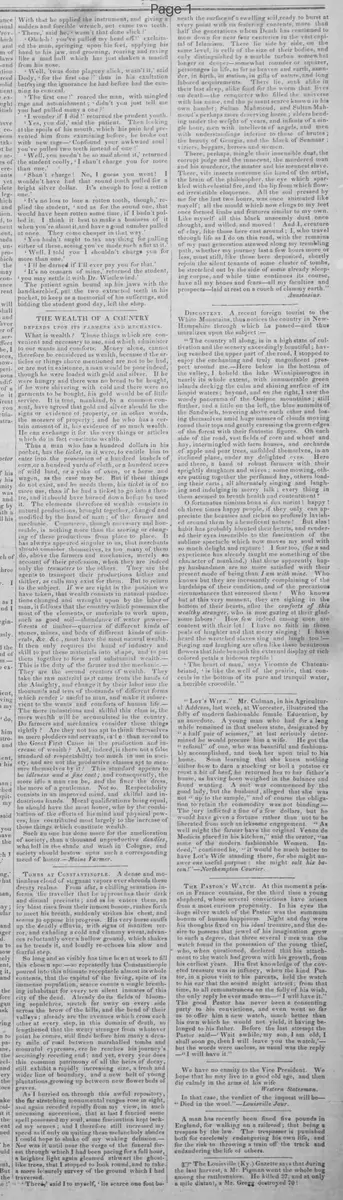
TOMBS AT CONSTANTINOPLE. A dense and motionless cloud of stagnant vapors ever shrouds these dreary realms. From afar, a chilling sensation informs the traveller that he approaches their dark and dismal precincts; and as he enters them, an icy blast rises from their inmost bosom, rushes forth to meet his breath, suddenly strikes his chest, and seems to oppose his progress. His very horse snuffs up the deadly effluvia, with signs of manifest terror, and exhaling a cold and clammy sweat, advances reluctantly over a hollow ground, which shakes as he treads it, and loudly re-echoes his slow and fearful step.
So long and so visibly has time been at work to fill this chosen spot—so repeatedly has Constantinople poured into this ultimate receptacle almost its whole contents, that the capital of the living, spite of its immense population, scarce counts a single breathing inhabitant for every ten silent inmates of this city of the dead. Already do its fields of blooming sepulchres stretch far away on every side across the brow of the hills, and the bend of their valleys; already are the avenues which cross each other at every step, in this domain of death, so lengthened that the weary stranger from whatever point he comes, still finds before him many a dreary mile of road between marshalled tombs and mournful cypresses, ere he reaches his journey's seemingly receding end; and yet, every year does this common patrimony of all the heirs of decay, still exhibit a rapidly increasing size, a fresh and wider line of boundary, and a new belt of young plantations, growing up between new flower beds of graves.
As I hurried on through this awful repository, the far stretching monumental ranges rose in sight, and again receded rapidly from my view, in such unceasing succession, that at last I fancied some spell possessed my soul, some fascination kept locked my senses; and I therefore still increased my speed as if only on quitting these melancholy abodes I could hope to shake off my waking delusion.— Nor was it until near the verge of the funeral forest through which I had been pacing for a full hour, a brighter light again gleamed athwart the ghost-like trees, that I stopped to look round, and to take a more leisurely survey of the ground which I had traversed.
There, said I to myself, 'lie scarce one foot beneath the surface of a swelling soil, ready to burst at every point with its festering contents, more than half the generations whom Death has continued to mow down for near four centuries in the vast capital of Islamism. There lie side by side, on the same level, in cells of the size of their bodies, and only distinguished by a marble turban somewhat longer or deeper—somewhat rounder or squarer, personages in life, as far as heaven and earth asunder, in birth, in station, in gifts of nature, and long labored acquirements. There lie, sunk alike in their last sleep, alike food for the worm that lives on death—the conqueror who filled the universe with his name, and the peasant scarce known in his own hamlet; Sultan Mahmoud, and Sultan Mahmoud's perhaps more deserving horse: elders bending under the weight of years, and infants of a single hour, men with intellects of angels, and men with understandings inferior to those of brutes; the beauty of Georgia, and the black of Sennaar; viziers, beggars, heroes and women.
There, perhaps, mingle their insensible dust, the corrupt judge and the innocent, the murdered man and his murderer, the master and his meanest slave. There, vile insects consume the hand of the artist, the brain of the philosopher, the eye which sparkled with celestial fire, and the lip from which flowed irresistible eloquence. All the soil pressed by me for the last two hours, was once animated like myself; all the mould which now clings to my feet once formed limbs and features similar to my own. Like myself all this black unseemly dust once thought, and willed, and moved! And I, creature of clay, like those here cast around: I, who travel through life as I do on this road, with the remains of my past generation strewed along my trembling path, whether my journey last a few hours more or less, must still, like those here deposited, shortly rejoin the silent tenants of some cluster of tombs, be stretched out by the side of some already sleeping corpse, and while time continues its course, have all my hopes and fears—all my faculties and prospects—laid at rest on a couch of clammy earth."
Anastasius.
So long and so visibly has time been at work to fill this chosen spot—so repeatedly has Constantinople poured into this ultimate receptacle almost its whole contents, that the capital of the living, spite of its immense population, scarce counts a single breathing inhabitant for every ten silent inmates of this city of the dead. Already do its fields of blooming sepulchres stretch far away on every side across the brow of the hills, and the bend of their valleys; already are the avenues which cross each other at every step, in this domain of death, so lengthened that the weary stranger from whatever point he comes, still finds before him many a dreary mile of road between marshalled tombs and mournful cypresses, ere he reaches his journey's seemingly receding end; and yet, every year does this common patrimony of all the heirs of decay, still exhibit a rapidly increasing size, a fresh and wider line of boundary, and a new belt of young plantations, growing up between new flower beds of graves.
As I hurried on through this awful repository, the far stretching monumental ranges rose in sight, and again receded rapidly from my view, in such unceasing succession, that at last I fancied some spell possessed my soul, some fascination kept locked my senses; and I therefore still increased my speed as if only on quitting these melancholy abodes I could hope to shake off my waking delusion.— Nor was it until near the verge of the funeral forest through which I had been pacing for a full hour, a brighter light again gleamed athwart the ghost-like trees, that I stopped to look round, and to take a more leisurely survey of the ground which I had traversed.
There, said I to myself, 'lie scarce one foot beneath the surface of a swelling soil, ready to burst at every point with its festering contents, more than half the generations whom Death has continued to mow down for near four centuries in the vast capital of Islamism. There lie side by side, on the same level, in cells of the size of their bodies, and only distinguished by a marble turban somewhat longer or deeper—somewhat rounder or squarer, personages in life, as far as heaven and earth asunder, in birth, in station, in gifts of nature, and long labored acquirements. There lie, sunk alike in their last sleep, alike food for the worm that lives on death—the conqueror who filled the universe with his name, and the peasant scarce known in his own hamlet; Sultan Mahmoud, and Sultan Mahmoud's perhaps more deserving horse: elders bending under the weight of years, and infants of a single hour, men with intellects of angels, and men with understandings inferior to those of brutes; the beauty of Georgia, and the black of Sennaar; viziers, beggars, heroes and women.
There, perhaps, mingle their insensible dust, the corrupt judge and the innocent, the murdered man and his murderer, the master and his meanest slave. There, vile insects consume the hand of the artist, the brain of the philosopher, the eye which sparkled with celestial fire, and the lip from which flowed irresistible eloquence. All the soil pressed by me for the last two hours, was once animated like myself; all the mould which now clings to my feet once formed limbs and features similar to my own. Like myself all this black unseemly dust once thought, and willed, and moved! And I, creature of clay, like those here cast around: I, who travel through life as I do on this road, with the remains of my past generation strewed along my trembling path, whether my journey last a few hours more or less, must still, like those here deposited, shortly rejoin the silent tenants of some cluster of tombs, be stretched out by the side of some already sleeping corpse, and while time continues its course, have all my hopes and fears—all my faculties and prospects—laid at rest on a couch of clammy earth."
Anastasius.
What sub-type of article is it?
Essay
Soliloquy
What themes does it cover?
Death Mortality
What keywords are associated?
Constantinople Tombs
Death Reflection
Mortality
Cemetery Description
Equality In Death
Istanbul Cemeteries
Funeral Landscape
What entities or persons were involved?
Anastasius.
Literary Details
Author
Anastasius.
Subject
Tombs At Constantinople
Form / Style
First Person Reflective Prose
Key Lines
There Lie Side By Side, On The Same Level, In Cells Of The Size Of Their Bodies, And Only Distinguished By A Marble Turban Somewhat Longer Or Deeper—Somewhat Rounder Or Squarer, Personages In Life, As Far As Heaven And Earth Asunder, In Birth, In Station, In Gifts Of Nature, And Long Labored Acquirements.
There Lie, Sunk Alike In Their Last Sleep, Alike Food For The Worm That Lives On Death—The Conqueror Who Filled The Universe With His Name, And The Peasant Scarce Known In His Own Hamlet; Sultan Mahmoud, And Sultan Mahmoud's Perhaps More Deserving Horse.
All The Soil Pressed By Me For The Last Two Hours, Was Once Animated Like Myself; All The Mould Which Now Clings To My Feet Once Formed Limbs And Features Similar To My Own.
Like Myself All This Black Unseemly Dust Once Thought, And Willed, And Moved!
And I, Creature Of Clay, Like Those Here Cast Around: I, Who Travel Through Life As I Do On This Road, With The Remains Of My Past Generation Strewed Along My Trembling Path... Must Still, Like Those Here Deposited, Shortly Rejoin The Silent Tenants Of Some Cluster Of Tombs...