Thank you for visiting SNEWPapers!
Sign up free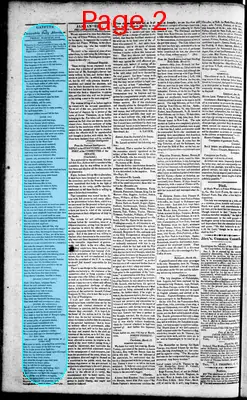
Literary
March 26, 1819
Alexandria Gazette & Daily Advertiser
Alexandria, Virginia
What is this article about?
A melologue by Thomas Moore, performed by Mrs. Bartley at theaters in Washington and Alexandria in 1819. It poetically explores music's universal power to evoke emotions, from love and nature to war, patriotism, and the quest for liberty across cultures like Peruvian, Lapland, Greek, Swiss, Spanish, and Irish.
Clipping

OCR Quality
95%
Excellent
Full Text
GAZETTE
Alexandria Daily Advertiser
FRIDAY, MARCH 26, 1819.
MELOLOGUE.
Written by the elegant translator of Anacreon, Mr. Thomas Moore, and spoken by Mrs. Bartley at the Theatres in Washington and Alexandria.
Copied from a British publication.
(STRAIN of MUSIC.)
There breathes the language known and felt,
Far as the pure air spreads its living zone;
Wherever rage can rouse or pity melt
That language of the soul is felt and known.
From those meridian plains,
Where oft of old, on some high tower,
The soft Peruvian poured his midnight strains,
And called his distant love with such sweet power,
That when she heard the well-known lay,
Not worlds could keep her from his arms away,
To those black realms of polar night,
Where the youth of Lapland's sky,
Bids his rapid rein-deer fly,
And sings along the darkling waste of snow,
As bright as if the blessed light
Of vernal Phoebus burn'd upon his brow.
Oh music! thy celestial claim
Is still resistless, still the same,
And faithful as the mighty sea
To the pale star that o'er its realm presides,
The spell-bound tides
Of human passion rise and fall for thee.
(GREEK AIR.)
List! 'tis a Grecian maid that sings,
While from Ilyssus' silvery springs,
She draws the cool lymph in her graceful urn,
While by her side in music's charm dissolving,
Some patriot youth the glorious past revolving,
Deems of bright days that never can return.
When Athens nursed her olive bough
With hands by tyrant power unchained,
And braided for the Muses brow
A wreath by tyrant touch unstained,
When heroes trod each classic field,
Where coward feet now faintly falter,
And every arm was freedom's shield,
And every heart was freedom's altar.
(GREEK AIR, INTERRUPTED BY A TRUMPET.)
Hark! 'tis the sound that charms
The war-steed's wakening ears--
Oh—many a mother folds her arms
Round her boy soldier, when that sound she hears,
And tho' her fond heart sinks with fears,
Is proud to feel his young pulse bound
With valor's fever at the sound.
See from his native hills afar
The rude Helvetian flies to war,
Careless for what, for whom he fights,
For slave or despot, wrongs or rights,
A-conqueror oft, a hero never,
Yet lavish of his life-blood still,
As if 'twere like his mountain rill,
And gushed for ever.
Oh music! here, even here,
Thy soul-felt charm asserts its wond'rous power ;
There is an air, which oft among the rocks
Of his own lov'd land, at evening hour [flocks:
Is heard, when shepherds homeward pipe their
Oh! every note of it would thrill his mind
With tenderest thoughts, and bring about his knees
The rosy children whom he left behind,
And fill each little angel eye
With speaking tears, that ask him, why
He wandered from his hut to scenes like these?
Vain, vain is then, the trumpet's brazen roar
Sweet notes of home, of love, are all he hears;
And the stern eyes that looked for blood before,
Now melting mournful, lose themselves in tears.
(RANZ DES VACHES INTERRUPTED BY A TRUMPET.)
But wake the trumpet's blast again,
And rouse the ranks of warrior men.
Oh war!—when truth thy arm employs,
And freedom's spirit guides the laboring storm,
Thy vengeance takes a hallowed form,
And like heaven's lightning, sacredly destroys.
Nor music, thro thy breathing sphere
Lives there a sound more grateful to the ear
Of Him who made all harmony,
Than the blest sound of fetters breaking,
And the first hymn that man awaking
From slavery's slumber, breathes to liberty.
(SPANISH PATRIOT'S SONG.)
Hark! from Spain, indignant Spain,
Bursts the bold enthusiast strain,
Like morning's music on the air,
And seems in every note to swear,
By Saragossa's ruined streets,
By brave Gerona's deathful story,
That while one Spaniard's life-blood beats,
That blood shall stain a conqueror's glory.
(SPANISH AIR CONCLUDED.)
But ah! if vain the patriot Spaniard's zeal-
If neither valor's force, nor wisdom's lights,
Can break or melt the blood cemented seal
That shuts to close the book of Europe's rights,
What song shall then in sadness tell,
Of broken pride, of prospects shaded,
Of buried hopes remembered well,
Of ardor quenched, and honor faded;
What Muse shall mourn the faithful brave,
In sweetest dirge at memory's shrine;
What harp shall sigh o'er freedom's grave?
Oh! Erin! thine.
(MELANCHOLY IRISH AIR, SUCCEEDED BY A LIVELY ONE.)
Blest notes of mirth, ye spring from sorrow's lay,
Like the blest vesper of the bird that sings
In the bright sunset of an April day,
While the cold shower yet hangs upon his wings.
Long may the Irish heart repeat
An echo to these lively strains,
And when the stranger's ears shall meet
That melody on distant plains
Oh! he will feel his soul expand
With grateful warmth, and sighing, say
Thus speaks the music of the land
Where welcome ever lights the stranger's way,
Where still the woe of others to beguile,
Is even the gayest heart's most lov'd employ;
Where grief herself will generously smile
Lest to share another's joy.
Alexandria Daily Advertiser
FRIDAY, MARCH 26, 1819.
MELOLOGUE.
Written by the elegant translator of Anacreon, Mr. Thomas Moore, and spoken by Mrs. Bartley at the Theatres in Washington and Alexandria.
Copied from a British publication.
(STRAIN of MUSIC.)
There breathes the language known and felt,
Far as the pure air spreads its living zone;
Wherever rage can rouse or pity melt
That language of the soul is felt and known.
From those meridian plains,
Where oft of old, on some high tower,
The soft Peruvian poured his midnight strains,
And called his distant love with such sweet power,
That when she heard the well-known lay,
Not worlds could keep her from his arms away,
To those black realms of polar night,
Where the youth of Lapland's sky,
Bids his rapid rein-deer fly,
And sings along the darkling waste of snow,
As bright as if the blessed light
Of vernal Phoebus burn'd upon his brow.
Oh music! thy celestial claim
Is still resistless, still the same,
And faithful as the mighty sea
To the pale star that o'er its realm presides,
The spell-bound tides
Of human passion rise and fall for thee.
(GREEK AIR.)
List! 'tis a Grecian maid that sings,
While from Ilyssus' silvery springs,
She draws the cool lymph in her graceful urn,
While by her side in music's charm dissolving,
Some patriot youth the glorious past revolving,
Deems of bright days that never can return.
When Athens nursed her olive bough
With hands by tyrant power unchained,
And braided for the Muses brow
A wreath by tyrant touch unstained,
When heroes trod each classic field,
Where coward feet now faintly falter,
And every arm was freedom's shield,
And every heart was freedom's altar.
(GREEK AIR, INTERRUPTED BY A TRUMPET.)
Hark! 'tis the sound that charms
The war-steed's wakening ears--
Oh—many a mother folds her arms
Round her boy soldier, when that sound she hears,
And tho' her fond heart sinks with fears,
Is proud to feel his young pulse bound
With valor's fever at the sound.
See from his native hills afar
The rude Helvetian flies to war,
Careless for what, for whom he fights,
For slave or despot, wrongs or rights,
A-conqueror oft, a hero never,
Yet lavish of his life-blood still,
As if 'twere like his mountain rill,
And gushed for ever.
Oh music! here, even here,
Thy soul-felt charm asserts its wond'rous power ;
There is an air, which oft among the rocks
Of his own lov'd land, at evening hour [flocks:
Is heard, when shepherds homeward pipe their
Oh! every note of it would thrill his mind
With tenderest thoughts, and bring about his knees
The rosy children whom he left behind,
And fill each little angel eye
With speaking tears, that ask him, why
He wandered from his hut to scenes like these?
Vain, vain is then, the trumpet's brazen roar
Sweet notes of home, of love, are all he hears;
And the stern eyes that looked for blood before,
Now melting mournful, lose themselves in tears.
(RANZ DES VACHES INTERRUPTED BY A TRUMPET.)
But wake the trumpet's blast again,
And rouse the ranks of warrior men.
Oh war!—when truth thy arm employs,
And freedom's spirit guides the laboring storm,
Thy vengeance takes a hallowed form,
And like heaven's lightning, sacredly destroys.
Nor music, thro thy breathing sphere
Lives there a sound more grateful to the ear
Of Him who made all harmony,
Than the blest sound of fetters breaking,
And the first hymn that man awaking
From slavery's slumber, breathes to liberty.
(SPANISH PATRIOT'S SONG.)
Hark! from Spain, indignant Spain,
Bursts the bold enthusiast strain,
Like morning's music on the air,
And seems in every note to swear,
By Saragossa's ruined streets,
By brave Gerona's deathful story,
That while one Spaniard's life-blood beats,
That blood shall stain a conqueror's glory.
(SPANISH AIR CONCLUDED.)
But ah! if vain the patriot Spaniard's zeal-
If neither valor's force, nor wisdom's lights,
Can break or melt the blood cemented seal
That shuts to close the book of Europe's rights,
What song shall then in sadness tell,
Of broken pride, of prospects shaded,
Of buried hopes remembered well,
Of ardor quenched, and honor faded;
What Muse shall mourn the faithful brave,
In sweetest dirge at memory's shrine;
What harp shall sigh o'er freedom's grave?
Oh! Erin! thine.
(MELANCHOLY IRISH AIR, SUCCEEDED BY A LIVELY ONE.)
Blest notes of mirth, ye spring from sorrow's lay,
Like the blest vesper of the bird that sings
In the bright sunset of an April day,
While the cold shower yet hangs upon his wings.
Long may the Irish heart repeat
An echo to these lively strains,
And when the stranger's ears shall meet
That melody on distant plains
Oh! he will feel his soul expand
With grateful warmth, and sighing, say
Thus speaks the music of the land
Where welcome ever lights the stranger's way,
Where still the woe of others to beguile,
Is even the gayest heart's most lov'd employ;
Where grief herself will generously smile
Lest to share another's joy.
What sub-type of article is it?
Poem
Soliloquy
What themes does it cover?
Liberty Freedom
Patriotism
War Peace
What keywords are associated?
Melologue
Thomas Moore
Music
Liberty
Patriotism
War
Spain
Ireland
Greece
What entities or persons were involved?
Written By The Elegant Translator Of Anacreon, Mr. Thomas Moore, And Spoken By Mrs. Bartley At The Theatres In Washington And Alexandria. Copied From A British Publication.
Literary Details
Title
Melologue.
Author
Written By The Elegant Translator Of Anacreon, Mr. Thomas Moore, And Spoken By Mrs. Bartley At The Theatres In Washington And Alexandria. Copied From A British Publication.
Subject
On The Power Of Music In Evoking Passion, Patriotism, And Liberty
Form / Style
Melologue With Musical Strains And Airs
Key Lines
There Breathes The Language Known And Felt, / Far As The Pure Air Spreads Its Living Zone;
Oh Music! Thy Celestial Claim / Is Still Resistless, Still The Same,
And The First Hymn That Man Awaking / From Slavery's Slumber, Breathes To Liberty.
Hark! From Spain, Indignant Spain, / Bursts The Bold Enthusiast Strain,
Thus Speaks The Music Of The Land / Where Welcome Ever Lights The Stranger's Way,