Thank you for visiting SNEWPapers!
Sign up free
Literary
April 2, 1825
Concord Register
Concord, Merrimack County, New Hampshire
What is this article about?
Gulian C. Verplanck argues that true patriotism aligns with Christian universal benevolence, refuting claims of inherent opposition. He critiques narrow views of patriotism as aggressive, emphasizing enlightened commerce, protection, and moral growth that benefit all nations without harming others.
Clipping
OCR Quality
98%
Excellent
Full Text
Extract from the Evidences of Revealed Religion:
By Gulian C. Verplanck, Esq.
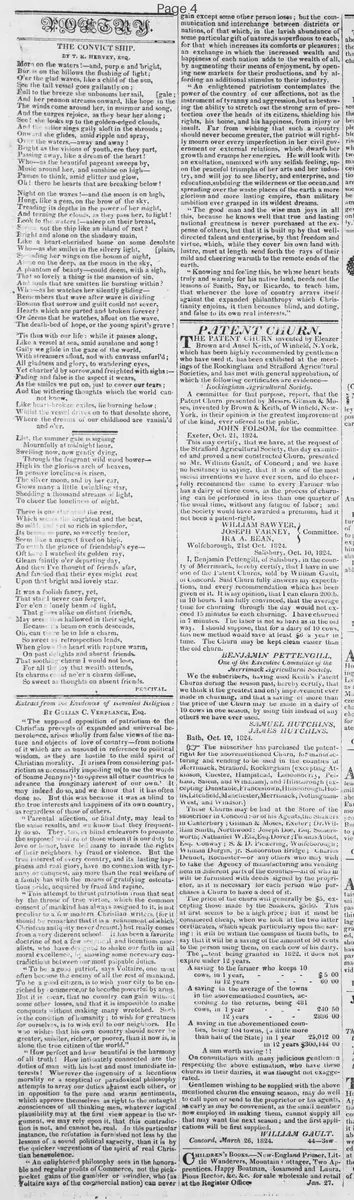
"The supposed opposition of patriotism to the Christian precepts of expanded and universal benevolence, arises wholly from false views of the nature and objects of love of country—from notions of it which are as unsound in reference to political wisdom, as they are hostile to the mild spirit of Christian morality. It arises from considering patriotism as necessarily impelling us (to use the words of Soame Jenyns) 'to oppress all other countries to advance the imaginary interest of our own.' It may indeed do so, and we know that it has often done so. But this was because it was as blind to the true interests and happiness of its own country, as regardless of those of others.
"Parental affection, or filial duty, may lead to the same results, and we know that they frequently do so. They, too, in blind endeavors to promote the supposed welfare of those whom it is our duty to love or honor, have led many to invade the rights of their neighbors by fraud or violence. But the true interest of every country, and its lasting happiness and real glory, have no connexion with tyranny or conquest, any more than the real welfare of a family has with the means of gratifying ostentatious pride, acquired by fraud and rapine.
"This attempt to thrust patriotism from that seat by the throne of true virtue, which the common consent of mankind has always assigned to it, is not peculiar to a few modern Christian writers, (for it should be remarked that it is a refinement of which Christian antiquity never dreamed,) but really comes from a very different school. It has been a favorite doctrine of not a few sceptical and licentious moralists, who have designed to shake our faith in all moral excellence, by showing some necessary contradictions between our most palpable duties.
"To be a good patriot, says Voltaire, one must often become the enemy of all the rest of mankind. To be a good citizen, is to wish your city to be enriched by commerce, or to become powerful by arms. But it is clear, that no country can gain without some other losses, and that it is impossible to make conquests without making many wretched. Such is the condition of humanity; to wish for greatness for ourselves, is to wish evil to our neighbors. He who wishes that his own country should never be greater, smaller, richer, or poorer, than it now is, is alone the true citizen of the world."
"How perfect and how beautiful is the harmony of all truth! How intimately connected are the duties of man with his best and most immediate interests! Wherever the ingenuity of a licentious morality or a sceptical or paradoxical philosophy attempts to array our duties against each other, or in opposition to the pure and warm sentiments, which approve themselves as right to the untaught consciences of all thinking men, whatever logical plausibility may at the first view appear in the argument, we may rely upon it, that this contradiction is not, and cannot be, real. In this particular instance, the refutation is furnished not less by the lessons of a sound political sagacity, than it is by the quicker suggestions of the spirit of real Christian benevolence.
"An enlightened philosophy sees in the honorable and regular profits of Commerce, not the pick-pocket gains of the gambler or swindler, who (as Voltaire says of the commercial nation) can never gain except some other person loses; but the communication and interchange between districts or nations, of that which, in the lavish abundance of some particular gift of nature, is superfluous to each, for that which increases its comforts or pleasures; an exchange in which the increased wealth and happiness of each nation adds to the wealth of all, by augmenting their means of enjoyment, by opening new markets for their productions, and by affording an additional stimulus to their industry.
"An enlightened patriotism contemplates the power of the country of our affections, not as the instrument of tyranny and aggression, but as bestowing the ability to stretch out the strong arm of protection over the heads of its citizens, shielding his rights, his home, and his happiness, from injury or insult. Far from wishing that such a country should never become greater, the patriot will rightly mourn over every imperfection in her civil government or external relations, which dwarfs her growth and cramps her energies. He will look with an exultation, unmixed with any selfish feeling, upon the peaceful triumphs of her arts and her industry, and will joy to see liberty, and enterprise, and education, subduing the wilderness or the ocean, and spreading over the waste places of the earth a more glorious and more lasting empire, than military ambition ever grasped in its wildest dreams.
"The good man and the wise man joys in all this, because he knows well that true and lasting national greatness is never purchased at the expense of others, but that it is built up by that well-directed talent and enterprise, by that freedom and virtue, which, while they cover his own land with lustre, must at length send forth the rays of their mild and cheering warmth to the remote ends of the earth.
"Knowing and feeling this, he whose heart beats truly and warmly for his native land, needs not the lessons of Smith, Say, or Ricardo, to teach him, that whenever the love of country arrays itself against the expanded philanthropy which Christianity enjoins, it then becomes blind, and doting, and false to its own real interests."
By Gulian C. Verplanck, Esq.
"The supposed opposition of patriotism to the Christian precepts of expanded and universal benevolence, arises wholly from false views of the nature and objects of love of country—from notions of it which are as unsound in reference to political wisdom, as they are hostile to the mild spirit of Christian morality. It arises from considering patriotism as necessarily impelling us (to use the words of Soame Jenyns) 'to oppress all other countries to advance the imaginary interest of our own.' It may indeed do so, and we know that it has often done so. But this was because it was as blind to the true interests and happiness of its own country, as regardless of those of others.
"Parental affection, or filial duty, may lead to the same results, and we know that they frequently do so. They, too, in blind endeavors to promote the supposed welfare of those whom it is our duty to love or honor, have led many to invade the rights of their neighbors by fraud or violence. But the true interest of every country, and its lasting happiness and real glory, have no connexion with tyranny or conquest, any more than the real welfare of a family has with the means of gratifying ostentatious pride, acquired by fraud and rapine.
"This attempt to thrust patriotism from that seat by the throne of true virtue, which the common consent of mankind has always assigned to it, is not peculiar to a few modern Christian writers, (for it should be remarked that it is a refinement of which Christian antiquity never dreamed,) but really comes from a very different school. It has been a favorite doctrine of not a few sceptical and licentious moralists, who have designed to shake our faith in all moral excellence, by showing some necessary contradictions between our most palpable duties.
"To be a good patriot, says Voltaire, one must often become the enemy of all the rest of mankind. To be a good citizen, is to wish your city to be enriched by commerce, or to become powerful by arms. But it is clear, that no country can gain without some other losses, and that it is impossible to make conquests without making many wretched. Such is the condition of humanity; to wish for greatness for ourselves, is to wish evil to our neighbors. He who wishes that his own country should never be greater, smaller, richer, or poorer, than it now is, is alone the true citizen of the world."
"How perfect and how beautiful is the harmony of all truth! How intimately connected are the duties of man with his best and most immediate interests! Wherever the ingenuity of a licentious morality or a sceptical or paradoxical philosophy attempts to array our duties against each other, or in opposition to the pure and warm sentiments, which approve themselves as right to the untaught consciences of all thinking men, whatever logical plausibility may at the first view appear in the argument, we may rely upon it, that this contradiction is not, and cannot be, real. In this particular instance, the refutation is furnished not less by the lessons of a sound political sagacity, than it is by the quicker suggestions of the spirit of real Christian benevolence.
"An enlightened philosophy sees in the honorable and regular profits of Commerce, not the pick-pocket gains of the gambler or swindler, who (as Voltaire says of the commercial nation) can never gain except some other person loses; but the communication and interchange between districts or nations, of that which, in the lavish abundance of some particular gift of nature, is superfluous to each, for that which increases its comforts or pleasures; an exchange in which the increased wealth and happiness of each nation adds to the wealth of all, by augmenting their means of enjoyment, by opening new markets for their productions, and by affording an additional stimulus to their industry.
"An enlightened patriotism contemplates the power of the country of our affections, not as the instrument of tyranny and aggression, but as bestowing the ability to stretch out the strong arm of protection over the heads of its citizens, shielding his rights, his home, and his happiness, from injury or insult. Far from wishing that such a country should never become greater, the patriot will rightly mourn over every imperfection in her civil government or external relations, which dwarfs her growth and cramps her energies. He will look with an exultation, unmixed with any selfish feeling, upon the peaceful triumphs of her arts and her industry, and will joy to see liberty, and enterprise, and education, subduing the wilderness or the ocean, and spreading over the waste places of the earth a more glorious and more lasting empire, than military ambition ever grasped in its wildest dreams.
"The good man and the wise man joys in all this, because he knows well that true and lasting national greatness is never purchased at the expense of others, but that it is built up by that well-directed talent and enterprise, by that freedom and virtue, which, while they cover his own land with lustre, must at length send forth the rays of their mild and cheering warmth to the remote ends of the earth.
"Knowing and feeling this, he whose heart beats truly and warmly for his native land, needs not the lessons of Smith, Say, or Ricardo, to teach him, that whenever the love of country arrays itself against the expanded philanthropy which Christianity enjoins, it then becomes blind, and doting, and false to its own real interests."
What sub-type of article is it?
Essay
What themes does it cover?
Political
Religious
Moral Virtue
What keywords are associated?
Patriotism
Christian Benevolence
Enlightened Philosophy
Commerce
National Greatness
Moral Duties
What entities or persons were involved?
By Gulian C. Verplanck, Esq.
Literary Details
Title
Extract From The Evidences Of Revealed Religion
Author
By Gulian C. Verplanck, Esq.
Subject
Harmony Of Patriotism And Christian Benevolence
Key Lines
The Supposed Opposition Of Patriotism To The Christian Precepts Of Expanded And Universal Benevolence, Arises Wholly From False Views Of The Nature And Objects Of Love Of Country—From Notions Of It Which Are As Unsound In Reference To Political Wisdom, As They Are Hostile To The Mild Spirit Of Christian Morality.
To Be A Good Patriot, Says Voltaire, One Must Often Become The Enemy Of All The Rest Of Mankind.
An Enlightened Philosophy Sees In The Honorable And Regular Profits Of Commerce, Not The Pick Pocket Gains Of The Gambler Or Swindler...
An Enlightened Patriotism Contemplates The Power Of The Country Of Our Affections, Not As The Instrument Of Tyranny And Aggression, But As Bestowing The Ability To Stretch Out The Strong Arm Of Protection Over The Heads Of Its Citizens...
True And Lasting National Greatness Is Never Purchased At The Expense Of Others, But That It Is Built Up By That Well Directed Talent And Enterprise, By That Freedom And Virtue...