Thank you for visiting SNEWPapers!
Sign up free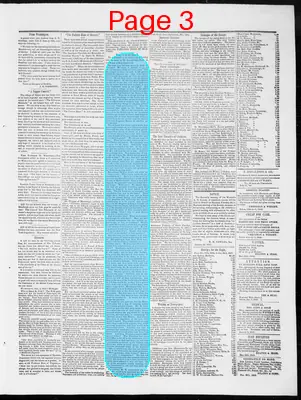
Story
January 22, 1847
Anti Slavery Bugle
New Lisbon, Salem, Columbiana County, Ohio
What is this article about?
Excerpt from anti-war speech by Mr. Root in the U.S. House, decrying the human cost of the Mexican War, demanding accountability for fallen soldiers, warning of slavery debates over annexed territory, and urging Northern unity to end the war and save the Union.
Clipping

OCR Quality
98%
Excellent
Full Text
What is to be done?
We commend to our readers the following remarks made by Mr. Root of this State, in the House of Representatives:
But how long did they mean to carry on this war? We were, it seemed, to go on till the expenses of the war were paid."But the longer we went on with it the greater would the expenses be. And how, at the close, would they make up their account of them? Would they charge only the money actually spent? Or did they mean to include all the old scows that had been sunk-all the old horses that had been maimed, or had been frightened away in the night? Did they mean to charge nothing for the brave men who perished before the cannon's mouth, and whose blood bedewed the Mexican battle-fields? Were we to charge nothing for them, and yet charge for the beasts and the old scows? Or if they meant to charge for our sacrificed citizen soldiers, how much a head would they charge for the men killed?
[A voice: "160 acres of land."] Yes; he supposed that might be the valuation in some quarters. But no; do not submit that question to the House-go to the mourning mothers-go to their desolate, their helpless orphans, and to their heart-broken wives- and let them fix the amount: and we should have enough against Mexico to swallow up her last acre.
We all knew that when a great battle had been fought everybody was talking about the glory, and the name of the victorious general went from mouth to mouth as a watch-word of the national honor; but who talked or who thought of the poor fellows who filled a nameless grave? We did not hear of them. They did but each count one in the list of killed and buried. But somebody was to settle for all these. Somebody must square up-must foot the bill. If the widows and the orphans could not, God, (said Mr. R.) will send the bill to you. And you cannot dodge them. You cannot say, "I did not get the letter; Mr. Marcy did not send it to me in time." No, no: that will not do there; you must square up. Gentlemen might perhaps think that the judge would not take a case against such respectable defendants; but they had sent one case of appeal into that court already, and gentlemen had better be getting ready.
But perhaps Mexico would not allow us so large a sum. What, then, would the Administration do? Drive her to the wall?- prosecute the war still further? march on to the city of Mexico itself? What if they did? Suppose we presented ourselves before their last refuge. What then? We should there find that old genuine Castilian spirit that shone so brightly in their fathers in old Spain. The cry would be, no surrender! no capitulation! but war to the knife! They might there behold, as was seen in Saragossa, the priests laying aside their sacerdotal garments and hallowing the war by participating in it in person: they would there see the daughter making a freewill offering of her ornaments, and delivering them up to the crucible to be cast into balls to be fired into the ranks of their country's invaders, crying, "there! take it, your bosom what you so much covet."
And what after this? When we had their last stronghold, what then? Must we still go on and exterminate the race without regard to age, or sex, or condition? Would we make the country a desert that we might be the owners of its deserted soil? If not, if gentlemen would stop short of this, then how much short of it?" Would they insist on half? or two-thirds? or three-quarters?
And after they got the country, how were they to govern it? what would they do with it? The gentleman from New York said, bring it into the Union; establish your civil authority over it. Be it so; and what then? Should it be a free country, or a country of slaves? Gentlemen must be ready to meet that question, for it would surely come. Mr. R. was ready; and he here told Northern men, every one, that meet it they must. It would not do then to be sick; or to have your family sick; or to have particular business to attend to at home. They must be at their posts, and they must vote, and vote right; they must do their whole duty, as with God's help, Mr. R. should do his.
There was no division of sentiment at the North. On this question the whole North went as one man. Northern men in that House would have to stand up to the mark, and do the will of their constituents. And then, if the men of the South did as he doubted not they would do, as they had a perfect right to do, and as they ever had done, what was to come of it? He blamed them not.- He wished to God Northern men had stood up to their duty as the South had done for years past. But they must do it when that question came: they must be here: the thing must be attended to. It would not do to dodge the question.
It might be said, perhaps, that the Democratic party had a way of stopping dissension among political friends. Mr. R. knew well how powerful their party means always were when the time of need came; but he doubted whether the gag would do on this question, as it had done, in recognizing the existence of war with Mexico. And even if they tried it, regardless of the cost, what would it avail? The people would not keep still; they could not be gagged; they would not cease to agitate; and they would make their voices heard. Jonathan was hard to provoke; but when once you did get him up, he remained at a dead white heat for a long while. And then, if a representative faltered, woe to him! The President had not a land office so far off in the wilderness, nor a sub-treasury so dark and deep; no, nor a foreign mission so distant in the furthest ends of the sea, where he could screen that man from the awakened wrath of the American people; it would burn after him and his children, to the third and to the fourth generation.
Were gentlemen ready for this? Did they count upon a compromise? We had had one compromise upon that question when the Union was shaken to its centre; but the man whose labors effected it was not here. He had given gentlemen timely warning, but they disregarded it, and now they must take the consequences.
For himself, Mr. R. would avoid the danger. He would have prevented the war, but that he could not do; now he would stop the war, for he would preserve the Union.
We commend to our readers the following remarks made by Mr. Root of this State, in the House of Representatives:
But how long did they mean to carry on this war? We were, it seemed, to go on till the expenses of the war were paid."But the longer we went on with it the greater would the expenses be. And how, at the close, would they make up their account of them? Would they charge only the money actually spent? Or did they mean to include all the old scows that had been sunk-all the old horses that had been maimed, or had been frightened away in the night? Did they mean to charge nothing for the brave men who perished before the cannon's mouth, and whose blood bedewed the Mexican battle-fields? Were we to charge nothing for them, and yet charge for the beasts and the old scows? Or if they meant to charge for our sacrificed citizen soldiers, how much a head would they charge for the men killed?
[A voice: "160 acres of land."] Yes; he supposed that might be the valuation in some quarters. But no; do not submit that question to the House-go to the mourning mothers-go to their desolate, their helpless orphans, and to their heart-broken wives- and let them fix the amount: and we should have enough against Mexico to swallow up her last acre.
We all knew that when a great battle had been fought everybody was talking about the glory, and the name of the victorious general went from mouth to mouth as a watch-word of the national honor; but who talked or who thought of the poor fellows who filled a nameless grave? We did not hear of them. They did but each count one in the list of killed and buried. But somebody was to settle for all these. Somebody must square up-must foot the bill. If the widows and the orphans could not, God, (said Mr. R.) will send the bill to you. And you cannot dodge them. You cannot say, "I did not get the letter; Mr. Marcy did not send it to me in time." No, no: that will not do there; you must square up. Gentlemen might perhaps think that the judge would not take a case against such respectable defendants; but they had sent one case of appeal into that court already, and gentlemen had better be getting ready.
But perhaps Mexico would not allow us so large a sum. What, then, would the Administration do? Drive her to the wall?- prosecute the war still further? march on to the city of Mexico itself? What if they did? Suppose we presented ourselves before their last refuge. What then? We should there find that old genuine Castilian spirit that shone so brightly in their fathers in old Spain. The cry would be, no surrender! no capitulation! but war to the knife! They might there behold, as was seen in Saragossa, the priests laying aside their sacerdotal garments and hallowing the war by participating in it in person: they would there see the daughter making a freewill offering of her ornaments, and delivering them up to the crucible to be cast into balls to be fired into the ranks of their country's invaders, crying, "there! take it, your bosom what you so much covet."
And what after this? When we had their last stronghold, what then? Must we still go on and exterminate the race without regard to age, or sex, or condition? Would we make the country a desert that we might be the owners of its deserted soil? If not, if gentlemen would stop short of this, then how much short of it?" Would they insist on half? or two-thirds? or three-quarters?
And after they got the country, how were they to govern it? what would they do with it? The gentleman from New York said, bring it into the Union; establish your civil authority over it. Be it so; and what then? Should it be a free country, or a country of slaves? Gentlemen must be ready to meet that question, for it would surely come. Mr. R. was ready; and he here told Northern men, every one, that meet it they must. It would not do then to be sick; or to have your family sick; or to have particular business to attend to at home. They must be at their posts, and they must vote, and vote right; they must do their whole duty, as with God's help, Mr. R. should do his.
There was no division of sentiment at the North. On this question the whole North went as one man. Northern men in that House would have to stand up to the mark, and do the will of their constituents. And then, if the men of the South did as he doubted not they would do, as they had a perfect right to do, and as they ever had done, what was to come of it? He blamed them not.- He wished to God Northern men had stood up to their duty as the South had done for years past. But they must do it when that question came: they must be here: the thing must be attended to. It would not do to dodge the question.
It might be said, perhaps, that the Democratic party had a way of stopping dissension among political friends. Mr. R. knew well how powerful their party means always were when the time of need came; but he doubted whether the gag would do on this question, as it had done, in recognizing the existence of war with Mexico. And even if they tried it, regardless of the cost, what would it avail? The people would not keep still; they could not be gagged; they would not cease to agitate; and they would make their voices heard. Jonathan was hard to provoke; but when once you did get him up, he remained at a dead white heat for a long while. And then, if a representative faltered, woe to him! The President had not a land office so far off in the wilderness, nor a sub-treasury so dark and deep; no, nor a foreign mission so distant in the furthest ends of the sea, where he could screen that man from the awakened wrath of the American people; it would burn after him and his children, to the third and to the fourth generation.
Were gentlemen ready for this? Did they count upon a compromise? We had had one compromise upon that question when the Union was shaken to its centre; but the man whose labors effected it was not here. He had given gentlemen timely warning, but they disregarded it, and now they must take the consequences.
For himself, Mr. R. would avoid the danger. He would have prevented the war, but that he could not do; now he would stop the war, for he would preserve the Union.
What sub-type of article is it?
Historical Event
What themes does it cover?
Tragedy
Moral Virtue
Justice
What keywords are associated?
Mexican War
War Costs
Human Sacrifice
Slavery Expansion
Union Preservation
What entities or persons were involved?
Mr. Root
Where did it happen?
House Of Representatives
Story Details
Key Persons
Mr. Root
Location
House Of Representatives
Story Details
Mr. Root criticizes the ongoing Mexican War, questioning the valuation of human sacrifices versus material costs, warns of the slavery issue if Mexico is annexed, urges Northern men to vote against slavery expansion to preserve the Union, and calls for ending the war.