Thank you for visiting SNEWPapers!
Sign up free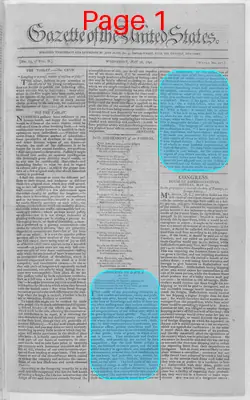
Literary
May 26, 1790
Gazette Of The United States
New York, New York County, New York
What is this article about?
Discourse No. VII from Discourses on Davila opens with a poem on the irresistible power of praise over the brave. It argues that passions like avarice, ambition, and envy are variations of the desire for attention and approval from others, fueling emulation, heroic actions, virtues, industry, and also conflicts; nature ordains this to incentivize beneficence and accountability through reason, conscience, and the torment of neglected duty.
Clipping
OCR Quality
98%
Excellent
Full Text
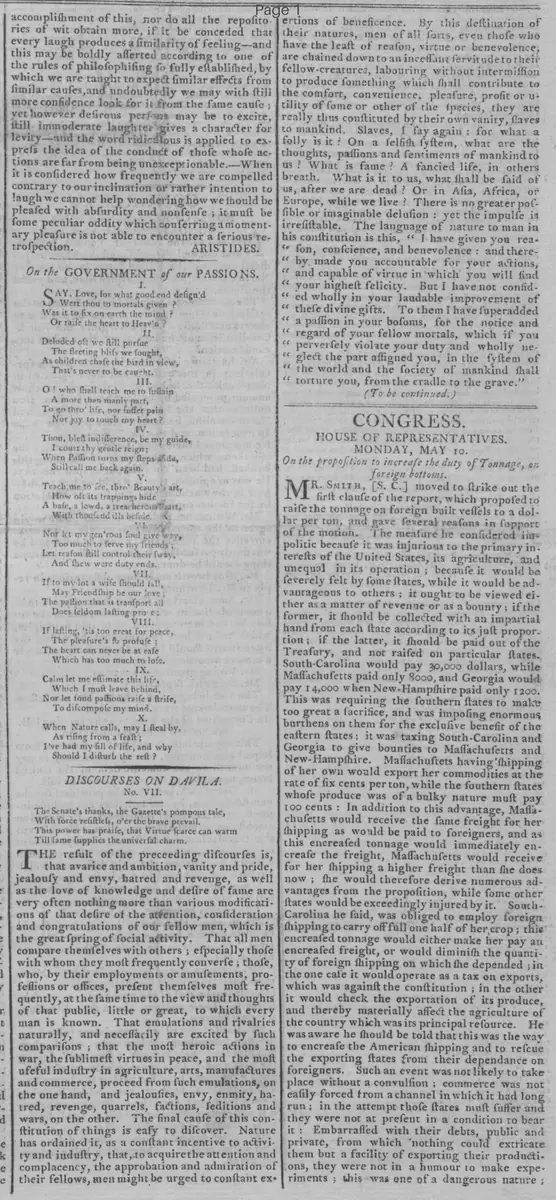
DISCOURSES ON DAVILA.
No. VII.
The Senate's thanks, the Gazette's pompous tale,
With force resistless, o'er the brave prevail.
This power has praise, that Virtue scarce can warm
Till fame supplies the universal charm.
That avarice and ambition, vanity and pride, jealousy and envy, hatred and revenge, as well as the love of knowledge and desire of fame are very often nothing more than various modifications of that desire of the attention, consideration and congratulations of our fellow men, which is the great spring of social activity. That all men compare themselves with others; especially those with whom they most frequently converse; those, who, by their employments or amusements, professions or offices, present themselves most frequently, at the same time to the view and thoughts of that public, little or great, to which every man is known. That emulations and rivalries naturally, and necessarily are excited by such comparisons; that the most heroic actions in war, the sublimest virtues in peace, and the most useful industry in agriculture, arts, manufactures and commerce, proceed from such emulations, on the one hand, and jealousies, envy, enmity, hatred, revenge, quarrels, factions, seditions and wars, on the other. The final cause of this constitution of things is easy to discover. Nature has ordained it, as a constant incentive to activity and industry, that, to acquire the attention and complacency, the approbation and admiration of their fellows, men might be urged to constant exertions of beneficence. By this destination of their natures, men of all sorts, even those who have the least of reason, virtue or benevolence, are chained down to an incessant servitude to their fellow-creatures, labouring without intermission to produce something which shall contribute to the comfort, convenience, pleasure, profit or utility of some or other of the species, they are really thus constituted by their own vanity, slaves to mankind. Slaves, I say again: for what a folly is it? On a selfish system, what are the thoughts, passions and sentiments of mankind to us? What is fame? A fancied life, in others breath. What is it to us, what shall be said of us, after we are dead? Or in Asia, Africa. or Europe, while we live? There is no greater possible or imaginable delusion: yet the impulse is irresistible. The language of nature to man in his constitution is this. "I have given you reason, conscience, and benevolence: and thereby made you accountable for your actions, and capable of virtue in which you will find your highest felicity. But I have not confided wholly in your laudable improvement of these divine gifts. To them I have superadded a passion in your bosoms, for the notice and regard of your fellow mortals, which if you perversely violate your duty and wholly neglect the part assigned you, in the system of the world and the society of mankind shall torture you, from the cradle to the grave."
(To be continued.)
No. VII.
The Senate's thanks, the Gazette's pompous tale,
With force resistless, o'er the brave prevail.
This power has praise, that Virtue scarce can warm
Till fame supplies the universal charm.
That avarice and ambition, vanity and pride, jealousy and envy, hatred and revenge, as well as the love of knowledge and desire of fame are very often nothing more than various modifications of that desire of the attention, consideration and congratulations of our fellow men, which is the great spring of social activity. That all men compare themselves with others; especially those with whom they most frequently converse; those, who, by their employments or amusements, professions or offices, present themselves most frequently, at the same time to the view and thoughts of that public, little or great, to which every man is known. That emulations and rivalries naturally, and necessarily are excited by such comparisons; that the most heroic actions in war, the sublimest virtues in peace, and the most useful industry in agriculture, arts, manufactures and commerce, proceed from such emulations, on the one hand, and jealousies, envy, enmity, hatred, revenge, quarrels, factions, seditions and wars, on the other. The final cause of this constitution of things is easy to discover. Nature has ordained it, as a constant incentive to activity and industry, that, to acquire the attention and complacency, the approbation and admiration of their fellows, men might be urged to constant exertions of beneficence. By this destination of their natures, men of all sorts, even those who have the least of reason, virtue or benevolence, are chained down to an incessant servitude to their fellow-creatures, labouring without intermission to produce something which shall contribute to the comfort, convenience, pleasure, profit or utility of some or other of the species, they are really thus constituted by their own vanity, slaves to mankind. Slaves, I say again: for what a folly is it? On a selfish system, what are the thoughts, passions and sentiments of mankind to us? What is fame? A fancied life, in others breath. What is it to us, what shall be said of us, after we are dead? Or in Asia, Africa. or Europe, while we live? There is no greater possible or imaginable delusion: yet the impulse is irresistible. The language of nature to man in his constitution is this. "I have given you reason, conscience, and benevolence: and thereby made you accountable for your actions, and capable of virtue in which you will find your highest felicity. But I have not confided wholly in your laudable improvement of these divine gifts. To them I have superadded a passion in your bosoms, for the notice and regard of your fellow mortals, which if you perversely violate your duty and wholly neglect the part assigned you, in the system of the world and the society of mankind shall torture you, from the cradle to the grave."
(To be continued.)
What sub-type of article is it?
Essay
Poem
What themes does it cover?
Moral Virtue
Political
Social Manners
What keywords are associated?
Emulation
Ambition
Virtue
Fame
Human Nature
Social Activity
Beneficence
Passions
Literary Details
Title
Discourses On Davila. No. Vii.
Form / Style
Philosophical Essay With Introductory Quatrain
Key Lines
The Senate's Thanks, The Gazette's Pompous Tale,
With Force Resistless, O'er The Brave Prevail.
This Power Has Praise, That Virtue Scarce Can Warm
Till Fame Supplies The Universal Charm.
That Avarice And Ambition, Vanity And Pride, Jealousy And Envy, Hatred And Revenge, As Well As The Love Of Knowledge And Desire Of Fame Are Very Often Nothing More Than Various Modifications Of That Desire Of The Attention, Consideration And Congratulations Of Our Fellow Men, Which Is The Great Spring Of Social Activity.
Nature Has Ordained It, As A Constant Incentive To Activity And Industry, That, To Acquire The Attention And Complacency, The Approbation And Admiration Of Their Fellows, Men Might Be Urged To Constant Exertions Of Beneficence.
What Is Fame? A Fancied Life, In Others Breath.
The Language Of Nature To Man In His Constitution Is This. "I Have Given You Reason, Conscience, And Benevolence: And Thereby Made You Accountable For Your Actions, And Capable Of Virtue In Which You Will Find Your Highest Felicity. But I Have Not Confided Wholly In Your Laudable Improvement Of These Divine Gifts. To Them I Have Superadded A Passion In Your Bosoms, For The Notice And Regard Of Your Fellow Mortals, Which If You Perversely Violate Your Duty And Wholly Neglect The Part Assigned You, In The System Of The World And The Society Of Mankind Shall Torture You, From The Cradle To The Grave."