Thank you for visiting SNEWPapers!
Sign up free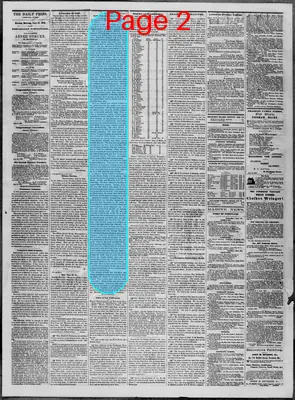
Letter to Editor
July 21, 1862
The Portland Daily Press
Portland, Cumberland County, Maine
What is this article about?
Eyewitness letter from a soldier in the 7th Maine Volunteers detailing the regiment's experiences at Golding's Farm during the Peninsula Campaign, including artillery exchanges, infantry assaults by Confederate forces under Lee, and the Union retreat on July 8, 1862.
Clipping

OCR Quality
95%
Excellent
Full Text
(Correspondence of the Press.]
Letter from the Field of Conflict.
7TH MAINE VOLS., CAMP NEAR
HARRISON'S LANDING, July 8th, 1862.
Mr. Editor:
I will try to give your readers an accurate
account of the scenes passed through by this
regiment and the division to which it belongs.
The position of Smith's Division was at
Golding's Farm, its right resting on the Chickahominy, and its left connecting with Sedgwick. Davidson's Brigade was in the front,
which was covered by small rifle pits, beyond
which was a ravine, then a hill, upon which
our pickets were in speaking distance of the
enemy. All the afternoon of Thursday, the
26th, we heard heavy cannonading in the direction of Mechanicsville, and, as it grew dark,
could see the quick flashes of the guns, and
later, in the increased quiet, the low, surging
sound of distant musketry. No one who has
never experienced it, can realize the anxiety
felt in listening to a battle you cannot engage
in. We knew McCall was at them, that Porter
was at them; but with what result? At
length a courier came dashing along with the
glad intelligence that we had whipped the rebels, commanded by Lee in person. Wild cheers
broke forth: our bands formed for the first
time since Williamsburg. That night a redoubt was raised on our picket line, and a skirt
of woods, unfortunately, cut down, unveiling
our camps to the guns of the enemy. At dawn
the firing opened more fiercely, but in a different direction. Could the enemy have driven us? We saw fires and heard heavy explosions from Porter's camp. Soon regiment after regiment appeared on the flats, across the
Chickahominy above us, and on the estate of
the traitor Gaines, and our glasses soon recognized the dirty gray.
Then our brigade was ordered to form on
the picket line, and the enemy soon opened
with twenty guns. We lay flat, and could see
the gallant Ayres bring the division artillery
into position and spiritedly reply. Then up
came a Connecticut battery of heavy guns,
and after an hour's firing the rebel batteries
were silenced. In the intervals of our own
deafening fire, we could hear the cannonading
going on with unintermitted fury on our right,
and still the heavy gray columns poured in
from Mechanicsville. The other division of
our corps, led by little Slocum, had gone to
Porter's assistance. We were relieved by
Brooks' Vermont Brigade, and towards night
were ordered to follow Slocum. As our line
was forming, the enemy, seeing a movement of
troops, opened suddenly with thirty cannon
directly upon us. The men came up gallantly
into line, but the New York 20th (Max Weber's German Turners), that was defiling before us, broke in confusion. When our line
had been formed, the men kept them back with
the butts of their guns, but they swept by into the wood beyond. The scene was terrific:
the air seemed filled with bursting shells.
Our men were falling, our tents were ripped
in pieces behind us. I was covered with dirt,
thrown by a round shot striking by me; and
when my eyes, which were closed, were opened
I saw two shells burst in the closed ranks of
the N. Y. 49th, piling the men in heaps.
I could not repress a thrill of exultation, to
see our line as steady as if on parade. The
cannonade was but the prelude to an infantry
attack. Brooks and Hancock were on the
picket line. We were ordered to the front to
support Wheeler's Battery. Passing along I
saw in a wide ditch a long string of wooly
heads (our regimental niggers), burrowing as
deep as possible into the mud. Late that night.
the firing ceased, the enemy drew off his baffled forces, and the fight of Golding's was over.
All night we worked, strengthening the redoubt in front; but Saturday morning it was
discovered that the enemy, by the defeat of
Porter, had been enabled to turn our flank, and
were in position to our right and rear. Our
guns were removed to the left; our baggage
train had already gone. The 7th was sent
with axes to the woods on the left, to make
obstructions that would protect our retreat.—
At noon the wood was down, and soon after
the rebels opened their fire from two directions. Our deserted camps were riddled, the
scene of the night before was repeated. Our
brigade this time had the front, and after an
hour's fight, our old antagonists of Lee's Mills
and Mechanicsville—the Georgia Brigade—
were repulsed with great slaughter, losing many
prisoners. I saw Col. Laman of Yacht Wanderer notoriety, borne by, mortally wounded.
Gen. Smith was in the hottest of the fire, giving his orders in his usual unruffled manner
and personally supervising our artillery. The
rebels sent over a flag of truce for permission
to bury their dead, and Capt. Ayres, going out
to meet them, discovered that they had sixty
pieces of cannon already in position and ranged.
all upon the small strip of woods where our
division lay closely packed. By a ruse, he
kept the flag of truce out till night, the rebel
cannoniers waiting all the while anxiously at
their guns. We were then safe for a little longer, and lay down to rest; but the stench of decaying horses and men (it was a former battle-
ground) prevented sleep.
The feelings of those few who knew that
certain annihilation awaited us with the morning dawn, can better be imagined than described. Two o'clock came; will our orders
never come? Three o'clock—the growing day
becomes overcast. Just as the light begins to
steal among the trees, an aid dashed up, and
away we go, breathless and still, thus covering on that march the retreat of the whole army. So ended the second day at Goldings
To be Continued.
Letter from the Field of Conflict.
7TH MAINE VOLS., CAMP NEAR
HARRISON'S LANDING, July 8th, 1862.
Mr. Editor:
I will try to give your readers an accurate
account of the scenes passed through by this
regiment and the division to which it belongs.
The position of Smith's Division was at
Golding's Farm, its right resting on the Chickahominy, and its left connecting with Sedgwick. Davidson's Brigade was in the front,
which was covered by small rifle pits, beyond
which was a ravine, then a hill, upon which
our pickets were in speaking distance of the
enemy. All the afternoon of Thursday, the
26th, we heard heavy cannonading in the direction of Mechanicsville, and, as it grew dark,
could see the quick flashes of the guns, and
later, in the increased quiet, the low, surging
sound of distant musketry. No one who has
never experienced it, can realize the anxiety
felt in listening to a battle you cannot engage
in. We knew McCall was at them, that Porter
was at them; but with what result? At
length a courier came dashing along with the
glad intelligence that we had whipped the rebels, commanded by Lee in person. Wild cheers
broke forth: our bands formed for the first
time since Williamsburg. That night a redoubt was raised on our picket line, and a skirt
of woods, unfortunately, cut down, unveiling
our camps to the guns of the enemy. At dawn
the firing opened more fiercely, but in a different direction. Could the enemy have driven us? We saw fires and heard heavy explosions from Porter's camp. Soon regiment after regiment appeared on the flats, across the
Chickahominy above us, and on the estate of
the traitor Gaines, and our glasses soon recognized the dirty gray.
Then our brigade was ordered to form on
the picket line, and the enemy soon opened
with twenty guns. We lay flat, and could see
the gallant Ayres bring the division artillery
into position and spiritedly reply. Then up
came a Connecticut battery of heavy guns,
and after an hour's firing the rebel batteries
were silenced. In the intervals of our own
deafening fire, we could hear the cannonading
going on with unintermitted fury on our right,
and still the heavy gray columns poured in
from Mechanicsville. The other division of
our corps, led by little Slocum, had gone to
Porter's assistance. We were relieved by
Brooks' Vermont Brigade, and towards night
were ordered to follow Slocum. As our line
was forming, the enemy, seeing a movement of
troops, opened suddenly with thirty cannon
directly upon us. The men came up gallantly
into line, but the New York 20th (Max Weber's German Turners), that was defiling before us, broke in confusion. When our line
had been formed, the men kept them back with
the butts of their guns, but they swept by into the wood beyond. The scene was terrific:
the air seemed filled with bursting shells.
Our men were falling, our tents were ripped
in pieces behind us. I was covered with dirt,
thrown by a round shot striking by me; and
when my eyes, which were closed, were opened
I saw two shells burst in the closed ranks of
the N. Y. 49th, piling the men in heaps.
I could not repress a thrill of exultation, to
see our line as steady as if on parade. The
cannonade was but the prelude to an infantry
attack. Brooks and Hancock were on the
picket line. We were ordered to the front to
support Wheeler's Battery. Passing along I
saw in a wide ditch a long string of wooly
heads (our regimental niggers), burrowing as
deep as possible into the mud. Late that night.
the firing ceased, the enemy drew off his baffled forces, and the fight of Golding's was over.
All night we worked, strengthening the redoubt in front; but Saturday morning it was
discovered that the enemy, by the defeat of
Porter, had been enabled to turn our flank, and
were in position to our right and rear. Our
guns were removed to the left; our baggage
train had already gone. The 7th was sent
with axes to the woods on the left, to make
obstructions that would protect our retreat.—
At noon the wood was down, and soon after
the rebels opened their fire from two directions. Our deserted camps were riddled, the
scene of the night before was repeated. Our
brigade this time had the front, and after an
hour's fight, our old antagonists of Lee's Mills
and Mechanicsville—the Georgia Brigade—
were repulsed with great slaughter, losing many
prisoners. I saw Col. Laman of Yacht Wanderer notoriety, borne by, mortally wounded.
Gen. Smith was in the hottest of the fire, giving his orders in his usual unruffled manner
and personally supervising our artillery. The
rebels sent over a flag of truce for permission
to bury their dead, and Capt. Ayres, going out
to meet them, discovered that they had sixty
pieces of cannon already in position and ranged.
all upon the small strip of woods where our
division lay closely packed. By a ruse, he
kept the flag of truce out till night, the rebel
cannoniers waiting all the while anxiously at
their guns. We were then safe for a little longer, and lay down to rest; but the stench of decaying horses and men (it was a former battle-
ground) prevented sleep.
The feelings of those few who knew that
certain annihilation awaited us with the morning dawn, can better be imagined than described. Two o'clock came; will our orders
never come? Three o'clock—the growing day
becomes overcast. Just as the light begins to
steal among the trees, an aid dashed up, and
away we go, breathless and still, thus covering on that march the retreat of the whole army. So ended the second day at Goldings
To be Continued.
What sub-type of article is it?
Informative
Historical
What themes does it cover?
Military War
What keywords are associated?
Golding's Farm
Peninsula Campaign
7th Maine Volunteers
Smith's Division
Robert E Lee
Union Retreat
Artillery Duel
What entities or persons were involved?
Mr. Editor
Letter to Editor Details
Recipient
Mr. Editor
Main Argument
provides an accurate eyewitness account of the 7th maine volunteers' experiences in the battles at golding's farm, including engagements with confederate forces and the subsequent retreat.
Notable Details
Whipped Rebels Commanded By Lee
Ayres Silences Rebel Batteries
New York 20th Breaks In Confusion
Georgia Brigade Repulsed
Flag Of Truce Ruse By Capt. Ayres
Retreat Covering The Whole Army