Thank you for visiting SNEWPapers!
Sign up free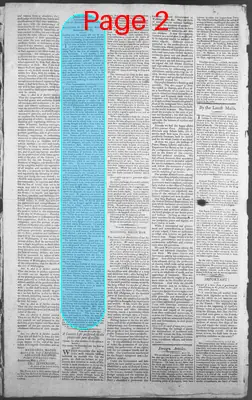
Literary
August 3, 1802
The New Hampshire Gazette
Portsmouth, Rockingham County, New Hampshire
What is this article about?
An extract from 'Faithful Remembrancer—2d No.' in the New-Hampshire Gazette, featuring reflections from Eugenius's papers. He resolves to abandon humorous writings that fuel animosity and party strife, instead using his pen to promote love, good works, harmony, and moral improvement aligned with divine image, urging writers and leaders to foster benevolence.
Clipping

OCR Quality
95%
Excellent
Full Text
MISCELLANY.
For the New-Hampshire Gazette.
Extract from the Faithful Remembrancer—2d No.
Looking over the papers left me by my friend Eugenius, I was much pleased with the following, wrote under a piece he had been composing for the public print—
THE vein of humor I have indulged, and too often by writers is it yet indulged, must have an evil tendency. It is adding fuel to the fires of animosity and party contention. I will mortify, I will subdue this mischievous spirit, so disgraceful as well as pernicious to human nature. I judge and condemn myself. We have evils enough already: why add to them by provoking evil and the words of bitterness?
Henceforward then let me write to provoke only to love and good works: nor shall the small talents I possess, be in the least prostituted to the service of that mischievous demon Discord, inkindling hatred and strife, and rendering so many each others tormentors.
When I contemplate, (continues Eu Genius,) man formed in the image DIVINE, I resent this degeneracy—for I too feel it; and I likewise have experienced its effects, its degrading, its bitter effects. It is a Criminality for which we must most assuredly be judged by Divine perfection; for which we must suffer, and out of which, if less will not do we must be severely scourged.
Words of provocation shall no more defile my pen. It shall henceforward be employed but to enlighten, persuade, conciliate. Let us learn, let us be instructed to delight in, and love one another, for that excellency in our nature for which we are loved by Deity—that lovely image!—Let it be cherished and be refined from every unbecoming thought and desire, from every malignant temper and disposition. Let us learn to see and admire that in each other, which Deity beholds and admires; and thereby become perfect in harmony and love. Nature will then co-operate with us; and all the evils of every kind, to which our world is incident, as we improve in humanity, will disappear, will cease, 'till they forever cease to afflict. Believe it—nothing is more true—Ye writers, pursue this subject—Ye leading men, who direct the thoughts and dispositions of mankind, who write, who speak in public; Rouse all your powers to incessant exertions to promote that spirit of love and good will, humanity and benevolence, which is our nature's glory and bliss.
Ye are accountable to the Omniscent Discerner—Ye are accountable to the Universe—Ye are accountable to yourselves—Thus far Ev GENIUS.
In proportion to the increase of Love, will be the increase of Wisdom, in the conducting of every business of life, civil and domestic.—Ah! why do we not make greater proficiency in love, tenderness and compassion towards each other! Nature groans for it—calls for it importunately; for nature seeks our felicity; and the more we oppose her demands, the more we must add to our woes. By regarding one another as we ought, let us learn—let us annihilate our evils and miseries. The means are sure and infallible. Why then, O foolish, and unwise! will ye struggle against nature, and that but to render yourselves more and more miserable! The spirit of animosity affects both the body and the mind; it spoils our digestion and destroys our health and life.—Why do ye not exert your powers in helping each other forward in health and happiness? In good earnest look to the source of love, the giver of every good, and you shall not be disappointed. To apply to the Author of life, and rely on Him, (by whom we are every moment supported in existence,) is most rational, most becoming, most essential: and with Him the more we daily and hourly converse, the nearer do we approach to perfect happiness.
To cultivate harmony, peace and love, and render mankind virtuous and happy, require the greatest efforts of human genius. In nothing does the grandeur of our nature and origin more appear, than in the sacred, generous works and labours of Love. We are therein co-workers with the God of infinite and changeless love: and while we are rendering others happy, we are increasing our own felicity.
Those who are sensible of their being of the opposite disposition, must despise and abhor themselves—Unless such as, being eagerly in pursuit of pleasure, and sordid or ambitious schemes, have no time for serious reflection. But the time for serious reflection will come—will inevitably come.—Had we not better unite in one noble, vigorous effort to break through, to dissolve the fatal enchantment that binds down so many in mischievous folly and madness?
There are salutary precepts of ANCIENT SAGES, no longer inhabitants of our Globe, yet neither are they forever separated from our society, and our affections; No:—We shall see them, on an early and propitious day. Those precepts we shall act wisely in studying and recollecting; that by regarding them we may experience their importance, their happy effects. Some of the principal are, in the sequel, presented to your consideration. The more we love them, and conform to them, the more shall we realize their worth, the more shall we admire their Authors, and with the greater joy shall we meet them in that state of perfection, to which we are approaching.
* See No. 1st. last page.
For the New-Hampshire Gazette.
Extract from the Faithful Remembrancer—2d No.
Looking over the papers left me by my friend Eugenius, I was much pleased with the following, wrote under a piece he had been composing for the public print—
THE vein of humor I have indulged, and too often by writers is it yet indulged, must have an evil tendency. It is adding fuel to the fires of animosity and party contention. I will mortify, I will subdue this mischievous spirit, so disgraceful as well as pernicious to human nature. I judge and condemn myself. We have evils enough already: why add to them by provoking evil and the words of bitterness?
Henceforward then let me write to provoke only to love and good works: nor shall the small talents I possess, be in the least prostituted to the service of that mischievous demon Discord, inkindling hatred and strife, and rendering so many each others tormentors.
When I contemplate, (continues Eu Genius,) man formed in the image DIVINE, I resent this degeneracy—for I too feel it; and I likewise have experienced its effects, its degrading, its bitter effects. It is a Criminality for which we must most assuredly be judged by Divine perfection; for which we must suffer, and out of which, if less will not do we must be severely scourged.
Words of provocation shall no more defile my pen. It shall henceforward be employed but to enlighten, persuade, conciliate. Let us learn, let us be instructed to delight in, and love one another, for that excellency in our nature for which we are loved by Deity—that lovely image!—Let it be cherished and be refined from every unbecoming thought and desire, from every malignant temper and disposition. Let us learn to see and admire that in each other, which Deity beholds and admires; and thereby become perfect in harmony and love. Nature will then co-operate with us; and all the evils of every kind, to which our world is incident, as we improve in humanity, will disappear, will cease, 'till they forever cease to afflict. Believe it—nothing is more true—Ye writers, pursue this subject—Ye leading men, who direct the thoughts and dispositions of mankind, who write, who speak in public; Rouse all your powers to incessant exertions to promote that spirit of love and good will, humanity and benevolence, which is our nature's glory and bliss.
Ye are accountable to the Omniscent Discerner—Ye are accountable to the Universe—Ye are accountable to yourselves—Thus far Ev GENIUS.
In proportion to the increase of Love, will be the increase of Wisdom, in the conducting of every business of life, civil and domestic.—Ah! why do we not make greater proficiency in love, tenderness and compassion towards each other! Nature groans for it—calls for it importunately; for nature seeks our felicity; and the more we oppose her demands, the more we must add to our woes. By regarding one another as we ought, let us learn—let us annihilate our evils and miseries. The means are sure and infallible. Why then, O foolish, and unwise! will ye struggle against nature, and that but to render yourselves more and more miserable! The spirit of animosity affects both the body and the mind; it spoils our digestion and destroys our health and life.—Why do ye not exert your powers in helping each other forward in health and happiness? In good earnest look to the source of love, the giver of every good, and you shall not be disappointed. To apply to the Author of life, and rely on Him, (by whom we are every moment supported in existence,) is most rational, most becoming, most essential: and with Him the more we daily and hourly converse, the nearer do we approach to perfect happiness.
To cultivate harmony, peace and love, and render mankind virtuous and happy, require the greatest efforts of human genius. In nothing does the grandeur of our nature and origin more appear, than in the sacred, generous works and labours of Love. We are therein co-workers with the God of infinite and changeless love: and while we are rendering others happy, we are increasing our own felicity.
Those who are sensible of their being of the opposite disposition, must despise and abhor themselves—Unless such as, being eagerly in pursuit of pleasure, and sordid or ambitious schemes, have no time for serious reflection. But the time for serious reflection will come—will inevitably come.—Had we not better unite in one noble, vigorous effort to break through, to dissolve the fatal enchantment that binds down so many in mischievous folly and madness?
There are salutary precepts of ANCIENT SAGES, no longer inhabitants of our Globe, yet neither are they forever separated from our society, and our affections; No:—We shall see them, on an early and propitious day. Those precepts we shall act wisely in studying and recollecting; that by regarding them we may experience their importance, their happy effects. Some of the principal are, in the sequel, presented to your consideration. The more we love them, and conform to them, the more shall we realize their worth, the more shall we admire their Authors, and with the greater joy shall we meet them in that state of perfection, to which we are approaching.
* See No. 1st. last page.
What sub-type of article is it?
Essay
What themes does it cover?
Moral Virtue
Religious
What keywords are associated?
Moral Essay
Love And Harmony
Against Discord
Eugenius Writings
Religious Reflection
Benevolence
Human Nature
What entities or persons were involved?
Eugenius
Literary Details
Title
Extract From The Faithful Remembrancer—2d No.
Author
Eugenius
Subject
Renouncing Provocative Humor For Promoting Love And Good Works
Key Lines
The Vein Of Humor I Have Indulged, And Too Often By Writers Is It Yet Indulged, Must Have An Evil Tendency. It Is Adding Fuel To The Fires Of Animosity And Party Contention.
Henceforward Then Let Me Write To Provoke Only To Love And Good Works: Nor Shall The Small Talents I Possess, Be In The Least Prostituted To The Service Of That Mischievous Demon Discord, Inkindling Hatred And Strife, And Rendering So Many Each Others Tormentors.
Let Us Learn, Let Us Be Instructed To Delight In, And Love One Another, For That Excellency In Our Nature For Which We Are Loved By Deity—That Lovely Image!
Ye Writers, Pursue This Subject—Ye Leading Men, Who Direct The Thoughts And Dispositions Of Mankind, Who Write, Who Speak In Public; Rouse All Your Powers To Incessant Exertions To Promote That Spirit Of Love And Good Will, Humanity And Benevolence, Which Is Our Nature's Glory And Bliss.
To Cultivate Harmony, Peace And Love, And Render Mankind Virtuous And Happy, Require The Greatest Efforts Of Human Genius.