Thank you for visiting SNEWPapers!
Sign up free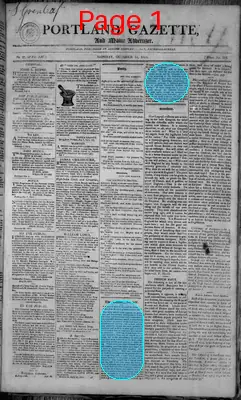
Editorial
October 14, 1811
Portland Gazette, And Maine Advertiser
Portland, Cumberland County, Maine
What is this article about?
The editorial critiques the folly and deception of bombastic grave inscriptions, arguing they vainly attempt to perpetuate unworthy memories. It exhorts readers to achieve lasting legacy through noble deeds and gospel virtues like faith, virtue, knowledge, temperance, patience, godliness, kindness, and charity.
Clipping
OCR Quality
98%
Excellent
Full Text
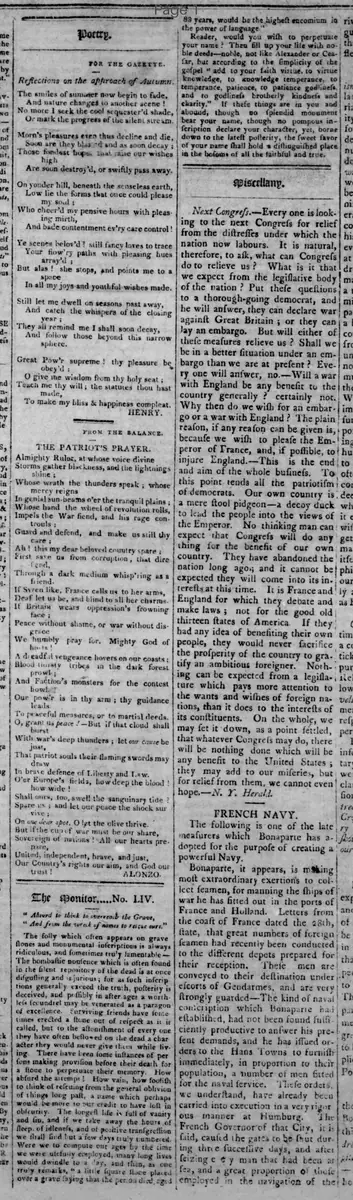
The Monitor...No. LIV.
"Absurd to think to overreach the Grave,
And from the wreck of names to rescue ours."
The folly which often appears on grave stones and monumental inscriptions is always ridiculous, and sometimes truly lamentable—The bombastic nonsense which is often found in the silent repository of the dead is at once disgusting and injurious; for as such inscriptions generally exceed the truth, posterity is deceived, and possibly in after ages a worthless scoundrel may be venerated as a paragon of excellence. Surviving friends have once times erected a stone out of respect as it is called, but to the astonishment of every one they have often bestowed on the dead a character they would never give them while living. There have been some instances of persons making provision before their death for a stone to perpetuate their memory. How absurd the attempt! How vain, how foolish to think of rescuing from the general oblivion of things long past, a name which perhaps would be more to their credit to have lost in obscurity. The longest life is full of vanity and sin, and if we take away the hours of sleep, of idleness, and of positive transgression we shall find but a few days truly numbered. Were we to compute our ages by the time we were usefully employed, many long lives would dwindle to a day, and then, as one truly remarks, "a little square stone placed over a grave saying that the person died, aged 89 years, would be the highest encomium on the power of language."
Reader, would you wish to perpetuate your name? Then fill up your life with noble deeds--noble, not like Alexander or Caesar, but according to the simplicity of the gospel "add to your faith virtue, to virtue knowledge, to knowledge temperance, to temperance, patience, to patience godliness, and to godliness brotherly kindness and charity." If these things are in you and abound, though no splendid monument bear your name, though no pompous inscription declare your character, yet, borne down to the latest posterity, the sweet savor of your name shall hold a distinguished place in the bosoms of all the faithful and true.
"Absurd to think to overreach the Grave,
And from the wreck of names to rescue ours."
The folly which often appears on grave stones and monumental inscriptions is always ridiculous, and sometimes truly lamentable—The bombastic nonsense which is often found in the silent repository of the dead is at once disgusting and injurious; for as such inscriptions generally exceed the truth, posterity is deceived, and possibly in after ages a worthless scoundrel may be venerated as a paragon of excellence. Surviving friends have once times erected a stone out of respect as it is called, but to the astonishment of every one they have often bestowed on the dead a character they would never give them while living. There have been some instances of persons making provision before their death for a stone to perpetuate their memory. How absurd the attempt! How vain, how foolish to think of rescuing from the general oblivion of things long past, a name which perhaps would be more to their credit to have lost in obscurity. The longest life is full of vanity and sin, and if we take away the hours of sleep, of idleness, and of positive transgression we shall find but a few days truly numbered. Were we to compute our ages by the time we were usefully employed, many long lives would dwindle to a day, and then, as one truly remarks, "a little square stone placed over a grave saying that the person died, aged 89 years, would be the highest encomium on the power of language."
Reader, would you wish to perpetuate your name? Then fill up your life with noble deeds--noble, not like Alexander or Caesar, but according to the simplicity of the gospel "add to your faith virtue, to virtue knowledge, to knowledge temperance, to temperance, patience, to patience godliness, and to godliness brotherly kindness and charity." If these things are in you and abound, though no splendid monument bear your name, though no pompous inscription declare your character, yet, borne down to the latest posterity, the sweet savor of your name shall hold a distinguished place in the bosoms of all the faithful and true.
What sub-type of article is it?
Moral Or Religious
What keywords are associated?
Grave Inscriptions
Monumental Folly
Virtuous Life
Gospel Virtues
Perpetuating Memory
What entities or persons were involved?
Alexander
Caesar
Editorial Details
Primary Topic
Critique Of Grave Inscriptions And Advocacy For Virtuous Living
Stance / Tone
Moral Exhortation Against Vanity
Key Figures
Alexander
Caesar
Key Arguments
Folly Of Bombastic Grave Inscriptions Is Ridiculous And Deceptive
Such Inscriptions Exaggerate Truth And May Venerate Unworthy Individuals
Absurd To Attempt Perpetuating Memory Through Stones
Human Life Is Short, Vain, And Sinful With Little Useful Time
True Legacy Comes From Noble Deeds According To Gospel Virtues