Thank you for visiting SNEWPapers!
Sign up free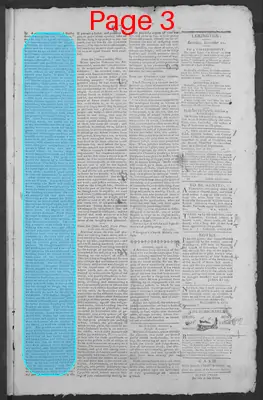
Literary
November 11, 1797
The Kentucky Gazette
Lexington, Fayette County, Kentucky
What is this article about?
A satirical prose narrative depicts a family head attempting to apply principles of liberty and equality to his slave Sambo, resulting in chaos, disputes, and his swift return to traditional authority. The story critiques unchecked liberty as tyrannical without order.
Clipping

OCR Quality
95%
Excellent
Full Text
IV. A council was called, and Sambo invited among the rest. Children, says he, this is an age of reformation. We have improved upon the English principles of education and government, and the French upon ours. It is proved we are all born free and equal. I have adhered to the erroneous notions of our forefathers long enough. Hereafter will lay aside commands and punishments, the instruments of tyrants, and you shall be governed by reason. Your own judgment, instead of my severity, shall correct your faults. It shall be my part to request, and yours to comply. — "You very good master; I thank you master," says Sambo, with a low bow. "I like your resolution," says Edward the oldest son, who had long sighed for liberty. "That's your sort," cried master Billy, clapping his hands. Miss Betty courseyed. The wife, whose claim to equality was already established, was pleased with the anticipation of something more. All was joy and complacency. A civic dinner ensued. A little dispute arose about the propriety of Sambo's sitting at table. None showed resentment or used high words, but Betty and her madam, who insisted that liberty and equality were never made for the negroes. Edward could not see why black and white might not sit as well together round a table as round a woman's head, and observed that these colours, with almost every other had often been good companions, on his ma'am's head dress. Ned was a shrewd fellow: he foresaw Sambo would soon rule the roast, and wished to secure his favor. The good man settled the dispute by a conciliatory proposition. The family were to wait on themselves, and Sambo to relinquish his equal right of sitting at the table with them. Excessive good nature is often the introduction to quarrels: After dinner the master wished to ride out of town. Sambo was requested to saddle the horse and brush his boots. The horse was prepared; but when the boots were called for, Sambo was brushing his own shoes. He waited patiently till they were ready, then went out to mount his horse— None to be found. Ned understood the doctrine of equal rights, had ridden off his father's horse and left him in the lurch. He begins to suspect that his new doctrine, which seemed an angel in theory would be a devil in practice; like hasty converts, he soon becomes an apostate. The next day a number of his friends were invited to dine with him, and discuss his new principles. Sambo had pitched on the same time to converse his companions; the sooty tribe had taken possession of the kitchen just before his master's party entered the parlour. He thought himself lord of the kitchen had reserved a few of the best pieces for his own table, and was handing round the second bottle in celebration of his independence, when the maid related his proceedings to the mistress. She called loudly on the subject. The master blushed for shame, stepped into the kitchen, and invited Sambo to attend the table, at the same time reprimanded him for the freedom he had taken. Sambo was too much intoxicated with the spirit of liberty and West-India to fear or obey, but not enough to forget the overtures of the day before. He answered abruptly he must be excused for the present. The master thought it time to use the old fashioned instruments of commands and punishments or rather without stopping to think, began to use them. High words and hard blows ensued. The noise reached the parlor. Every white face reddened with blushes and resentment, and liberty and equality were echoed from each corner of the kitchen by the blacks. I need not relate the sequel. The gentleman never hears liberty and equality pronounced, without shaking his head; he has often declared that he had rather have the old boxers Castor and Pollux in his house, and that he believed that if they were allowed to run at large in our country, they would do more mischief than sword and famine. Liberty, uncontrouled, experience proves to be one of the worst of tyrants; accompanied with good order and good laws, as she was one of the first settlers of this country; may she be found among its last inhabitants. I do not pretend to write for nations; any pen so employed for family use.
What sub-type of article is it?
Satire
Prose Fiction
Dialogue
What themes does it cover?
Liberty Freedom
Political
Slavery Abolition
What keywords are associated?
Liberty
Equality
Slavery
Satire
Family
Reformation
Tyranny
Literary Details
Form / Style
Satirical Prose Narrative With Dialogue
Key Lines
Children, Says He, This Is An Age Of Reformation. We Have Improved Upon The English Principles Of Education And Government, And The French Upon Ours. It Is Proved We Are All Born Free And Equal.
Liberty, Uncontrouled, Experience Proves To Be One Of The Worst Of Tyrants; Accompanied With Good Order And Good Laws, As She Was One Of The First Settlers Of This Country; May She Be Found Among Its Last Inhabitants.
I Do Not Pretend To Write For Nations; Any Pen So Employed For Family Use.