Thank you for visiting SNEWPapers!
Sign up free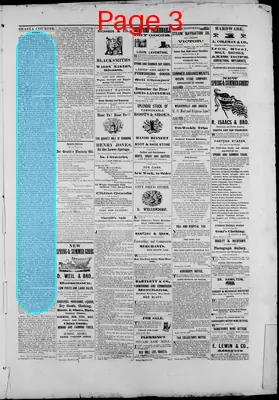
Editorial
June 16, 1866
The Shasta Courier
Shasta, Shasta County, California
What is this article about?
The Shasta Courier editorial outlines centuries of English oppression and conquests in Ireland, from Henry II in 1172 to 19th-century rebellions, and endorses the Fenian Brotherhood's efforts for Irish independence through revolution, urging American support as retaliation for Britain's aid to the Confederacy.
Clipping

OCR Quality
98%
Excellent
Full Text
SHASTA COURIER
Fenianism,
As we understand the term, means an organization of the friends of Ireland; of those who are willing to give expression to their feelings and sympathies—to contribute a share of their time and means to the liberation of Ireland from the galling yoke of England, and by revolution, if necessary, re-establish Irish nationality, or the independence of Ireland. The wrongs of Ireland fill many pages of history. England—purse-proud, pompous England—has lorded it over the Irish people for centuries. By her cruelty she has scattered to the four winds of Heaven thousands of men, women and children who, of right, have an inheritance in the soil of the Green Isle, while those left behind, she has reduced to squalid beggary.
Ireland was conquered and added to the British domain in 1172, under the Norman King of Great Britain, Henry II, a grandson of Henry I, surnamed Beauclerk, who disgraced himself by putting out the eyes of his eldest brother, and keeping him nearly thirty years in confinement, for the reason that he was the rightful heir to the throne of England. It was the subjugator of Ireland, Henry II, who inaugurated the principle that "might made right," and to which England has steadfastly adhered to ever since. Under the reign of Queen Elizabeth, a series of rebellions occurred in Ireland under chiefs named O'Neill. The history of that period says:
"The rebellion of Hugh O'Neill, Earl of Tyrone, was particularly formidable. The English officers were at first unsuccessful, and met with some serious defeats. In 1599, Tyrone gained so great a victory that the whole Province of Munster declared for him. He then invited the Spaniards to make a descent on Ireland and join him. The Queen sent over her favorite, the Earl of Essex, with 20,000 men, but he did not proceed with vigor, and soon found it necessary to return to England to justify himself. Next year, Tyrone broke the truce he had formed with Essex; overrun the whole country, and acted as sovereign of Ireland. If Spain had at this time given him the support he asked, Ireland might have been dissevered from the English crown."
James I was the first King who extended the English laws over the whole of Ireland. In 1641, another formidable rebellion broke out under the leadership of Sir Phelim O'Neill—cause, the refusal of the Catholics to take the oath of supremacy which acknowledged the king to possess a right which their faith taught them belonged to the Pope, and which necessarily excluded them from all branches of the public service. Also, the penal laws against the profession of Catholicism and a severe court of star chambers to carry these into execution. Again, in 1649, another rebellion broke out and was put down by Cromwell. In 1689, the Irish army fought a regular battle at Aghrim, when, partly owing to the loss of their brave leader, St. Ruth, they were totally routed. The spirit of discontent still prevailed. Being denied all access to justice, may be attributed those lawless habits for which the Irish people became noted. It has always been regarded by England as injurious to them to improve the condition of Ireland. The passing of a bill in 1719, by the English Parliament, declaring its power to legislate for Ireland, caused another upheaving. In 1783, the Volunteer Corps as they were called, held meetings and passed resolutions in which they openly avowed their determination at the hazard of life and fortune, to achieve the independence of the native legislature, and a complete participation in the rights of the British. England, then engaged in the American Colonial war, for a time bowed to Irish requests, but when the Government began to regain strength, she repudiated her whole policy. This infuriated the Irish people, and with the commencement of revolutionary proceedings in France, the wildest hopes of the Irish were aroused. Another rebellion was planned to be inaugurated on the 23d day of May, 1798, but Lord Castlereagh disclosed the plot a few days previous. On the first of January, 1801, the Kingdom of Ireland was annexed to that of Great Britain. This union only increased the discontent of the Irish people, and in 1803, a new insurrection broke out, under the leadership of Robert Emmet and Thomas Russell. This was put down, and Emmett and Russell arrested, tried and executed.
But why the use of trying to reproduce the upheavals and bitter wrongs enacted in, and inflicted upon Ireland by aristocratic, insolent England? Her people have been trodden under foot for ages. Fenianism is understood to be an organized brotherhood, who have at heart the amelioration of the condition of the people of Ireland. Let us by word and deed assist them. In so doing we are but repeating the example set by Great Britain during our own rebellion. Confederate cruisers readily obtained an out-fit in English ports, both in supplies and men, with the avowed purpose of preying upon American commerce; while English cannon bristled on many Confederate fortifications. Money they contributed without stint: Jeff Davis' emissaries they toasted and feted, and their Government organs labored incessantly to turn the current of European sympathy against the American Union. In spite of England's efforts, our cause triumphed. A balance sheet was presented to her for adjustment, which met with rebuffs and jeers. We believe in the Scriptural doctrine: "An eye for an eye, and a tooth for a tooth." We will not withhold from the Fenian cause a helping hand until the credit side of such transactions are equally poised, and then draw the sword to compel respect for the future.
We understand that the Fenian Head Centre will visit this place soon, and organize a Circle of the Brotherhood. In Sutter Creek, the work is progressing; the Messrs. Mahoney and many other Irishmen in that locality have made an earnest move in their cause. Already the ball has been opened on the Canadian frontier: the tocsin of war has been sounded: the Knights of Erin are calling the roll, and few Americans will be found to weep at beholding the harp of Erin floating over the head of the British Lion.—Amador Ledger.
Fenianism,
As we understand the term, means an organization of the friends of Ireland; of those who are willing to give expression to their feelings and sympathies—to contribute a share of their time and means to the liberation of Ireland from the galling yoke of England, and by revolution, if necessary, re-establish Irish nationality, or the independence of Ireland. The wrongs of Ireland fill many pages of history. England—purse-proud, pompous England—has lorded it over the Irish people for centuries. By her cruelty she has scattered to the four winds of Heaven thousands of men, women and children who, of right, have an inheritance in the soil of the Green Isle, while those left behind, she has reduced to squalid beggary.
Ireland was conquered and added to the British domain in 1172, under the Norman King of Great Britain, Henry II, a grandson of Henry I, surnamed Beauclerk, who disgraced himself by putting out the eyes of his eldest brother, and keeping him nearly thirty years in confinement, for the reason that he was the rightful heir to the throne of England. It was the subjugator of Ireland, Henry II, who inaugurated the principle that "might made right," and to which England has steadfastly adhered to ever since. Under the reign of Queen Elizabeth, a series of rebellions occurred in Ireland under chiefs named O'Neill. The history of that period says:
"The rebellion of Hugh O'Neill, Earl of Tyrone, was particularly formidable. The English officers were at first unsuccessful, and met with some serious defeats. In 1599, Tyrone gained so great a victory that the whole Province of Munster declared for him. He then invited the Spaniards to make a descent on Ireland and join him. The Queen sent over her favorite, the Earl of Essex, with 20,000 men, but he did not proceed with vigor, and soon found it necessary to return to England to justify himself. Next year, Tyrone broke the truce he had formed with Essex; overrun the whole country, and acted as sovereign of Ireland. If Spain had at this time given him the support he asked, Ireland might have been dissevered from the English crown."
James I was the first King who extended the English laws over the whole of Ireland. In 1641, another formidable rebellion broke out under the leadership of Sir Phelim O'Neill—cause, the refusal of the Catholics to take the oath of supremacy which acknowledged the king to possess a right which their faith taught them belonged to the Pope, and which necessarily excluded them from all branches of the public service. Also, the penal laws against the profession of Catholicism and a severe court of star chambers to carry these into execution. Again, in 1649, another rebellion broke out and was put down by Cromwell. In 1689, the Irish army fought a regular battle at Aghrim, when, partly owing to the loss of their brave leader, St. Ruth, they were totally routed. The spirit of discontent still prevailed. Being denied all access to justice, may be attributed those lawless habits for which the Irish people became noted. It has always been regarded by England as injurious to them to improve the condition of Ireland. The passing of a bill in 1719, by the English Parliament, declaring its power to legislate for Ireland, caused another upheaving. In 1783, the Volunteer Corps as they were called, held meetings and passed resolutions in which they openly avowed their determination at the hazard of life and fortune, to achieve the independence of the native legislature, and a complete participation in the rights of the British. England, then engaged in the American Colonial war, for a time bowed to Irish requests, but when the Government began to regain strength, she repudiated her whole policy. This infuriated the Irish people, and with the commencement of revolutionary proceedings in France, the wildest hopes of the Irish were aroused. Another rebellion was planned to be inaugurated on the 23d day of May, 1798, but Lord Castlereagh disclosed the plot a few days previous. On the first of January, 1801, the Kingdom of Ireland was annexed to that of Great Britain. This union only increased the discontent of the Irish people, and in 1803, a new insurrection broke out, under the leadership of Robert Emmet and Thomas Russell. This was put down, and Emmett and Russell arrested, tried and executed.
But why the use of trying to reproduce the upheavals and bitter wrongs enacted in, and inflicted upon Ireland by aristocratic, insolent England? Her people have been trodden under foot for ages. Fenianism is understood to be an organized brotherhood, who have at heart the amelioration of the condition of the people of Ireland. Let us by word and deed assist them. In so doing we are but repeating the example set by Great Britain during our own rebellion. Confederate cruisers readily obtained an out-fit in English ports, both in supplies and men, with the avowed purpose of preying upon American commerce; while English cannon bristled on many Confederate fortifications. Money they contributed without stint: Jeff Davis' emissaries they toasted and feted, and their Government organs labored incessantly to turn the current of European sympathy against the American Union. In spite of England's efforts, our cause triumphed. A balance sheet was presented to her for adjustment, which met with rebuffs and jeers. We believe in the Scriptural doctrine: "An eye for an eye, and a tooth for a tooth." We will not withhold from the Fenian cause a helping hand until the credit side of such transactions are equally poised, and then draw the sword to compel respect for the future.
We understand that the Fenian Head Centre will visit this place soon, and organize a Circle of the Brotherhood. In Sutter Creek, the work is progressing; the Messrs. Mahoney and many other Irishmen in that locality have made an earnest move in their cause. Already the ball has been opened on the Canadian frontier: the tocsin of war has been sounded: the Knights of Erin are calling the roll, and few Americans will be found to weep at beholding the harp of Erin floating over the head of the British Lion.—Amador Ledger.
What sub-type of article is it?
Imperialism
Foreign Affairs
War Or Peace
What keywords are associated?
Fenianism
Irish Independence
English Oppression
Historical Rebellions
Fenian Brotherhood
Irish Wrongs
American Support
British Confederacy Aid
What entities or persons were involved?
Fenian Brotherhood
England
Ireland
Henry Ii
Queen Elizabeth
Hugh O'neill
Cromwell
Robert Emmet
Thomas Russell
Confederacy
Jeff Davis
Editorial Details
Primary Topic
Support For Fenian Movement Against English Rule In Ireland
Stance / Tone
Strongly Pro Fenian And Anti English, Advocating Revolutionary Support
Key Figures
Fenian Brotherhood
England
Ireland
Henry Ii
Queen Elizabeth
Hugh O'neill
Cromwell
Robert Emmet
Thomas Russell
Confederacy
Jeff Davis
Key Arguments
England Has Oppressed Ireland For Centuries Through Conquest And Cruelty
Historical Rebellions In Ireland Highlight Ongoing Fight For Independence
Fenianism Seeks To Liberate Ireland By Revolution If Necessary
Americans Should Aid Fenians As Retaliation For Britain's Support Of The Confederacy
Apply 'Eye For An Eye' Principle To Balance Past Injustices