Thank you for visiting SNEWPapers!
Sign up free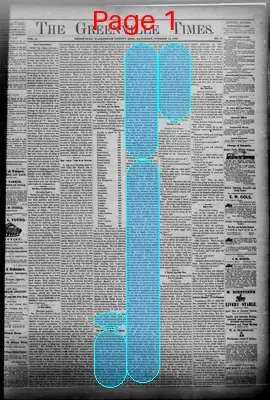
Literary
October 14, 1882
The Greenville Times
Greenville, Washington County, Mississippi
What is this article about?
Historical essay defending Queen Elizabeth's reign as a beacon of Protestant liberty amid European Catholic tyranny under Philip II, the Guises, and Medici. Justifies her diplomacy and execution of Mary Stuart as necessary to protect England, Scotland, and the Reformation from papal oppression.
Clipping
OCR Quality
95%
Excellent
Full Text
The Reign of Queen Elizabeth.
For the Greenville Times.
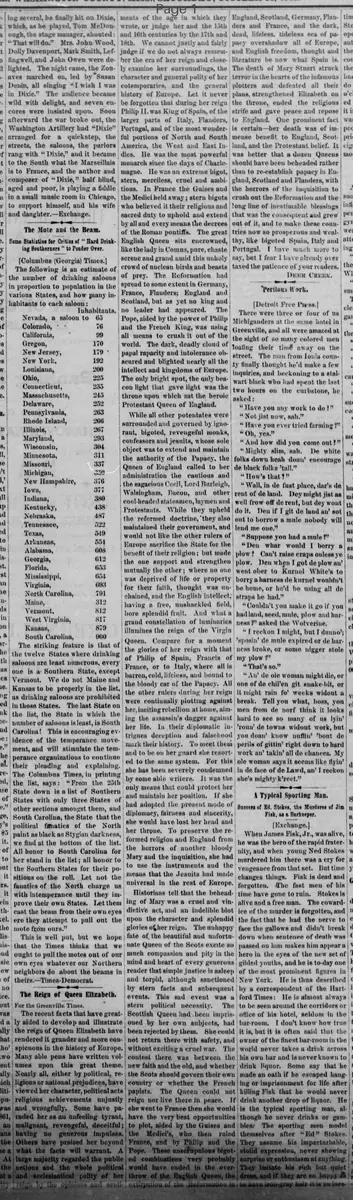
The recent facts that have greatly aided to develop and illustrate the reign of Queen Elizabeth have rendered it grander and more conspicuous in the history of Europe. Many able pens have written volumes upon this great theme. Nearly all, either by political, religious or national prejudices, have viewed her character, political acts, religious achievements unjustly and wrongfully. Some have paraded her as an unfeeling tyrant, malignant, revengeful, deceitful: having no generous impulses. Others have praised her beyond what the facts will warrant. A large majority regarded the public actions and the whole political and ecclesiastical polity of her reign by the opinions and sentiments of the age in which they wrote, or judge her and the 15th and 16th centuries by the 17th and 18th. We cannot justly and fairly judge if we do not always remember the era of her reign and closely examine her surroundings, the character and general polity of her contemporaries, and the general history of Europe. Let it never be forgotten that during her reign Philip II. was King of Spain, of the larger parts of Italy, Flanders, Portugal, and of the most wonderful portions of North and South America, the West and East Indies. He was the most powerful monarch since the days of Charlemagne. He was an extreme bigot, stern, merciless, cruel and ambitious. In France the Guises and the Medici held sway: stern bigots who believed it their religious and sacred duty to uphold and extend by all and every means the decrees of the Roman pontiffs. The great English Queen sits encrowned, like the lady in Comus, pure, chaste, serene and grand amid this unholy crowd of unclean birds and beasts of prey. The Reformation had spread to some extent in Germany, France, Flanders; England and Scotland, but as yet no king and no leader had appeared. The Pope, aided by the power of Philip and the French King, was using all means to crush it out of the world. The dark, deadly cloud of papal rapacity and intolerance obscured and blighted nearly all the intellect and kingdoms of Europe. The only bright spot, the only beacon light that gave light was the throne upon which sat the heroic Protestant Queen of England. While all other potentates were surrounded and governed by ignorant, bigoted, revengeful monks, confessors and Jesuits, whose sole object was to extend and maintain the authority of the Papacy, the Queen of England called to her administration the cautious and sagacious Cecil, Lord Burleigh, Walsingham, Bacon, and other cool-headed statesmen, laymen and Protestants. While they upheld the reformed doctrine, they also maintained their government, and would not like the other rulers of Europe sacrifice the State for the benefit of their religion; but made the one support and strengthen mutually the other; where no one was deprived of life or property for their faith, thought was unchained, and the English intellect, having a free, unshackled field, bore splendid fruit. And what a grand constellation of luminaries illumines the reign of the Virgin Queen. Compare for a moment the glories of her reign with that of Philip of Spain, Francis of France, or to Italy, where all is barren, cold, lifeless, and bound to the bloody car of the Papacy. All the other rulers during her reign were continually plotting against her, inciting rebellion at home, aiming the assassin's dagger against her life. In their diplomatic intrigues deception and falsehood mark their history. To meet them and to be on her guard she resorted to the same system. For this she has been severely condemned by some able writers. It was the only means that could protect her and maintain her position. If she had adopted the present mode of diplomacy, fairness and sincerity, she would have lost her head and her throne. To preserve the reformed religion and England from the horrors of another bloody Mary and the inquisition, she had to use the instruments and the means that the Jesuits had made universal in the rest of Europe. Historians tell that the beheading of Mary was a cruel and vindictive act, and an indelible blot upon the character and splendid glories of her reign. The unhappy fate of the beautiful and unfortunate Queen of the Scots excite so much compassion and pity in the mind and heart of every generous reader that simple justice is asleep and torpid, although sanctioned by stern facts and subsequent events. This sad event was a stern political necessity. The Scottish Queen had been imprisoned by her own subjects, had been rejected by them. She could not return there with safety, and without exciting a cruel war. The contest there was between the new faith and the old, and whether the Scots should govern their own country or whether the French papists. The Queen could not reign nor live there in peace. If she went to France then she would have the very best opportunities to plot, aided by the Guises and the Medici's, who then ruled France, and by Philip and the Pope. These unscrupulous bigoted combinations very probably would have ended in the overthrow of England, Scotland, Germany, Flanders and France, and the dark, dead, lifeless, tideless sea of papacy overshadow all of Europe, and English freedom, thought and literature be now what Spain is. The death of Mary Stuart struck terror in the hearts of the infamous plotters and defeated all their plans, strengthened Elizabeth on the throne, ended the religious strife and gave peace and repose to England. One prominent fact is certain—her death was of immense benefit to England, Scotland, and the Protestant belief. It was better that a dozen Queens should have been beheaded rather than to re-establish papacy in England, Scotland and Flanders, with the horrors of the inquisition to crush out the Reformation and the long line of inestimable blessings that was the consequent and grew out of it, and to make these countries now so prosperous and wealthy, like bigoted Spain, Italy and Portugal. I have much more to say, but I fear I have already overtaxed the patience of your readers.
DEER CREEK.
For the Greenville Times.
The recent facts that have greatly aided to develop and illustrate the reign of Queen Elizabeth have rendered it grander and more conspicuous in the history of Europe. Many able pens have written volumes upon this great theme. Nearly all, either by political, religious or national prejudices, have viewed her character, political acts, religious achievements unjustly and wrongfully. Some have paraded her as an unfeeling tyrant, malignant, revengeful, deceitful: having no generous impulses. Others have praised her beyond what the facts will warrant. A large majority regarded the public actions and the whole political and ecclesiastical polity of her reign by the opinions and sentiments of the age in which they wrote, or judge her and the 15th and 16th centuries by the 17th and 18th. We cannot justly and fairly judge if we do not always remember the era of her reign and closely examine her surroundings, the character and general polity of her contemporaries, and the general history of Europe. Let it never be forgotten that during her reign Philip II. was King of Spain, of the larger parts of Italy, Flanders, Portugal, and of the most wonderful portions of North and South America, the West and East Indies. He was the most powerful monarch since the days of Charlemagne. He was an extreme bigot, stern, merciless, cruel and ambitious. In France the Guises and the Medici held sway: stern bigots who believed it their religious and sacred duty to uphold and extend by all and every means the decrees of the Roman pontiffs. The great English Queen sits encrowned, like the lady in Comus, pure, chaste, serene and grand amid this unholy crowd of unclean birds and beasts of prey. The Reformation had spread to some extent in Germany, France, Flanders; England and Scotland, but as yet no king and no leader had appeared. The Pope, aided by the power of Philip and the French King, was using all means to crush it out of the world. The dark, deadly cloud of papal rapacity and intolerance obscured and blighted nearly all the intellect and kingdoms of Europe. The only bright spot, the only beacon light that gave light was the throne upon which sat the heroic Protestant Queen of England. While all other potentates were surrounded and governed by ignorant, bigoted, revengeful monks, confessors and Jesuits, whose sole object was to extend and maintain the authority of the Papacy, the Queen of England called to her administration the cautious and sagacious Cecil, Lord Burleigh, Walsingham, Bacon, and other cool-headed statesmen, laymen and Protestants. While they upheld the reformed doctrine, they also maintained their government, and would not like the other rulers of Europe sacrifice the State for the benefit of their religion; but made the one support and strengthen mutually the other; where no one was deprived of life or property for their faith, thought was unchained, and the English intellect, having a free, unshackled field, bore splendid fruit. And what a grand constellation of luminaries illumines the reign of the Virgin Queen. Compare for a moment the glories of her reign with that of Philip of Spain, Francis of France, or to Italy, where all is barren, cold, lifeless, and bound to the bloody car of the Papacy. All the other rulers during her reign were continually plotting against her, inciting rebellion at home, aiming the assassin's dagger against her life. In their diplomatic intrigues deception and falsehood mark their history. To meet them and to be on her guard she resorted to the same system. For this she has been severely condemned by some able writers. It was the only means that could protect her and maintain her position. If she had adopted the present mode of diplomacy, fairness and sincerity, she would have lost her head and her throne. To preserve the reformed religion and England from the horrors of another bloody Mary and the inquisition, she had to use the instruments and the means that the Jesuits had made universal in the rest of Europe. Historians tell that the beheading of Mary was a cruel and vindictive act, and an indelible blot upon the character and splendid glories of her reign. The unhappy fate of the beautiful and unfortunate Queen of the Scots excite so much compassion and pity in the mind and heart of every generous reader that simple justice is asleep and torpid, although sanctioned by stern facts and subsequent events. This sad event was a stern political necessity. The Scottish Queen had been imprisoned by her own subjects, had been rejected by them. She could not return there with safety, and without exciting a cruel war. The contest there was between the new faith and the old, and whether the Scots should govern their own country or whether the French papists. The Queen could not reign nor live there in peace. If she went to France then she would have the very best opportunities to plot, aided by the Guises and the Medici's, who then ruled France, and by Philip and the Pope. These unscrupulous bigoted combinations very probably would have ended in the overthrow of England, Scotland, Germany, Flanders and France, and the dark, dead, lifeless, tideless sea of papacy overshadow all of Europe, and English freedom, thought and literature be now what Spain is. The death of Mary Stuart struck terror in the hearts of the infamous plotters and defeated all their plans, strengthened Elizabeth on the throne, ended the religious strife and gave peace and repose to England. One prominent fact is certain—her death was of immense benefit to England, Scotland, and the Protestant belief. It was better that a dozen Queens should have been beheaded rather than to re-establish papacy in England, Scotland and Flanders, with the horrors of the inquisition to crush out the Reformation and the long line of inestimable blessings that was the consequent and grew out of it, and to make these countries now so prosperous and wealthy, like bigoted Spain, Italy and Portugal. I have much more to say, but I fear I have already overtaxed the patience of your readers.
DEER CREEK.
What sub-type of article is it?
Essay
What themes does it cover?
Political
Religious
Liberty Freedom
What keywords are associated?
Queen Elizabeth
Reformation
Philip Ii
Mary Stuart
Protestant England
Papal Tyranny
Elizabethan Reign
Religious Freedom
What entities or persons were involved?
Deer Creek
Literary Details
Title
The Reign Of Queen Elizabeth.
Author
Deer Creek
Subject
Defense Of Queen Elizabeth's Reign And Policies
Key Lines
The Great English Queen Sits Encrowned, Like The Lady In Comus, Pure, Chaste, Serene And Grand Amid This Unholy Crowd Of Unclean Birds And Beasts Of Prey.
The Only Bright Spot, The Only Beacon Light That Gave Light Was The Throne Upon Which Sat The Heroic Protestant Queen Of England.
To Preserve The Reformed Religion And England From The Horrors Of Another Bloody Mary And The Inquisition, She Had To Use The Instruments And The Means That The Jesuits Had Made Universal In The Rest Of Europe.
The Death Of Mary Stuart Struck Terror In The Hearts Of The Infamous Plotters And Defeated All Their Plans, Strengthened Elizabeth On The Throne, Ended The Religious Strife And Gave Peace And Repose To England.
It Was Better That A Dozen Queens Should Have Been Beheaded Rather Than To Re Establish Papacy In England, Scotland And Flanders, With The Horrors Of The Inquisition To Crush Out The Reformation...