Thank you for visiting SNEWPapers!
Sign up free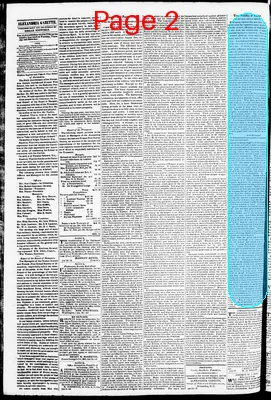
Literary
February 1, 1838
Alexandria Gazette
Alexandria, Alexandria County, District Of Columbia
What is this article about?
Rev. Orville Dewey's essay extols the nobility of labor as essential to human virtue, family life, and improvement, contrasting it with idleness from feudal traditions. He argues labor ennobles man more than leisure, urging its restoration in the new world.
Clipping

OCR Quality
75%
Good
Full Text
True Nobility of Labor.
BY THE REV. ORVILLE DEWEY.
How many natural ties are there between even the humblest scene of labor and the noblest affections of humanity? In this view the employment of mere muscular strength is ennobled. There is a central point in every man's life, around which all his toils and cares revolve. It is that spot which is consecrated by the names of wife, and children and home. A secret, an almost imperceptible influence from that spot which is like no other on earth, steals into the breast of the virtuous laboring man, and strengthens every weary step of his toil; every blow that is struck in the workshop and the field, finds an echo in that holy shrine of his affections. If he who fights to protect his home, rises to the heroic virtue no less may he who labors, his life long, to provide for that home— Peace be within those domestic walls, and prosperity beneath those humble roof:—But should it ever be otherwise, should the time ever come when the invader's step approaches to touch those sacred thresholds, I see in the labors that are taken for them, that wounds will be taken for them too; I see in every honest working man around me, a hero.
So material do I deem this point—the true nobility of labor I mean—that I would dwell upon it a moment longer, and in a larger view. Why, then, in the great scale of things, is labor ordained for us? —Easily, had it so pleased the great Ordainer, might it have been dispensed with. The world itself might have been a mighty machinery for the production of all that man wants. The motion of the globe upon its axis, might have been the power to move that world of machinery. Ten thousand wheels within wheels might have been at work; ten thousand processes, more curious and complicated than any man can devise, might have been going forward without man's aid. —Houses might have risen like an exhalation,
with the sound
Of dulcet symphonies and voices sweet
Built like a temple: gorgeous furniture might have been placed in them, and soft couches and luxurious banquets spread, by bands unseen; and man, clothed with fabrics of nature's weaving, richer than imperial purple, might have been sent to disport himself in these Elysian palaces. "Fair scene!" I imagine you are saying, "fortunate for us, had it been the scene ordained for man!" But where then, tell me, had been human energy, perseverance, providence, virtue, heroism? Cut off with one blow from the world; and man had sunk to a crowd, nay, far beneath a crowd, of Asiatic voluptuaries No, it had not been fortunate. Better that the earth be given to man as a dark mass whereon to labor Better that rude and unsightly materials be provided in the ore beds and forest, for him to fashion into splendor and beauty. Better, I say not because of that splendor and beauty but because the act of creating them better than the things themselves; because exertion is nobler than enjoyment Because the laborer is greater than and more worthy of honor than the idler.
I call upon those whom I address, to stand up for that nobility of labor. It is heaven's great ordinance for human improvement. Let not that great ordinance be broken down. What do I say? It is broken down; and it has been broken down for ages. Let it then be built up again; here if anywhere, on these shores of a new world, of a new civilization.— But how, I may be asked, is it broken down? Do not men toil, it may be said They do indeed toil, but they too generally do it because they must. Many submit to it as, in some sort, a degrading necessity; and they desire nothing so much on earth as escape from it They fulfil the great law of labor in the letter, but break it in spirit: fulfil it with the muscle and break it with the mind. To some field of labor, mental or manual, every idler should fasten as to his chosen and coveted theatre of improvement. But so is he not impelled to do under the teachings of our imperfect civilization: on the contrary, he sits down, folds his hands and blesses himself in his idleness. This way of thinking is the heritage of the absurd and unjust feudal system; under which serfs labored, and gentlemen spent their lives in hunting and feasting. It is time that this opprobrium of toil were done away. Ashamed to toil art thou? Ashamed of thy dingy work shop and dusty labor field; of the hard hand, scarred with service more honorable than war; of thy soiled and weather-stained garment, on which mother nature has embroidered, amidst sun and storm, her own heraldry; and envious of the flaunting heraldic honors? Ashamed of these!—Wearing robes of imbecile weakness and vanity [to] heaven; it is breaking heaven's greater [ordinance]. —It is treason to nature; it is impiety [to the dictates] of the brain, of the heart, or of the hand [in labor]. Toil, I repeat, is the only true manhood, the only worthy nobility.
BY THE REV. ORVILLE DEWEY.
How many natural ties are there between even the humblest scene of labor and the noblest affections of humanity? In this view the employment of mere muscular strength is ennobled. There is a central point in every man's life, around which all his toils and cares revolve. It is that spot which is consecrated by the names of wife, and children and home. A secret, an almost imperceptible influence from that spot which is like no other on earth, steals into the breast of the virtuous laboring man, and strengthens every weary step of his toil; every blow that is struck in the workshop and the field, finds an echo in that holy shrine of his affections. If he who fights to protect his home, rises to the heroic virtue no less may he who labors, his life long, to provide for that home— Peace be within those domestic walls, and prosperity beneath those humble roof:—But should it ever be otherwise, should the time ever come when the invader's step approaches to touch those sacred thresholds, I see in the labors that are taken for them, that wounds will be taken for them too; I see in every honest working man around me, a hero.
So material do I deem this point—the true nobility of labor I mean—that I would dwell upon it a moment longer, and in a larger view. Why, then, in the great scale of things, is labor ordained for us? —Easily, had it so pleased the great Ordainer, might it have been dispensed with. The world itself might have been a mighty machinery for the production of all that man wants. The motion of the globe upon its axis, might have been the power to move that world of machinery. Ten thousand wheels within wheels might have been at work; ten thousand processes, more curious and complicated than any man can devise, might have been going forward without man's aid. —Houses might have risen like an exhalation,
with the sound
Of dulcet symphonies and voices sweet
Built like a temple: gorgeous furniture might have been placed in them, and soft couches and luxurious banquets spread, by bands unseen; and man, clothed with fabrics of nature's weaving, richer than imperial purple, might have been sent to disport himself in these Elysian palaces. "Fair scene!" I imagine you are saying, "fortunate for us, had it been the scene ordained for man!" But where then, tell me, had been human energy, perseverance, providence, virtue, heroism? Cut off with one blow from the world; and man had sunk to a crowd, nay, far beneath a crowd, of Asiatic voluptuaries No, it had not been fortunate. Better that the earth be given to man as a dark mass whereon to labor Better that rude and unsightly materials be provided in the ore beds and forest, for him to fashion into splendor and beauty. Better, I say not because of that splendor and beauty but because the act of creating them better than the things themselves; because exertion is nobler than enjoyment Because the laborer is greater than and more worthy of honor than the idler.
I call upon those whom I address, to stand up for that nobility of labor. It is heaven's great ordinance for human improvement. Let not that great ordinance be broken down. What do I say? It is broken down; and it has been broken down for ages. Let it then be built up again; here if anywhere, on these shores of a new world, of a new civilization.— But how, I may be asked, is it broken down? Do not men toil, it may be said They do indeed toil, but they too generally do it because they must. Many submit to it as, in some sort, a degrading necessity; and they desire nothing so much on earth as escape from it They fulfil the great law of labor in the letter, but break it in spirit: fulfil it with the muscle and break it with the mind. To some field of labor, mental or manual, every idler should fasten as to his chosen and coveted theatre of improvement. But so is he not impelled to do under the teachings of our imperfect civilization: on the contrary, he sits down, folds his hands and blesses himself in his idleness. This way of thinking is the heritage of the absurd and unjust feudal system; under which serfs labored, and gentlemen spent their lives in hunting and feasting. It is time that this opprobrium of toil were done away. Ashamed to toil art thou? Ashamed of thy dingy work shop and dusty labor field; of the hard hand, scarred with service more honorable than war; of thy soiled and weather-stained garment, on which mother nature has embroidered, amidst sun and storm, her own heraldry; and envious of the flaunting heraldic honors? Ashamed of these!—Wearing robes of imbecile weakness and vanity [to] heaven; it is breaking heaven's greater [ordinance]. —It is treason to nature; it is impiety [to the dictates] of the brain, of the heart, or of the hand [in labor]. Toil, I repeat, is the only true manhood, the only worthy nobility.
What sub-type of article is it?
Essay
What themes does it cover?
Moral Virtue
What keywords are associated?
Nobility Of Labor
Human Virtue
Family Affections
Feudal Idleness
Moral Improvement
Honest Toil
Heroic Laborer
What entities or persons were involved?
By The Rev. Orville Dewey.
Literary Details
Title
True Nobility Of Labor.
Author
By The Rev. Orville Dewey.
Key Lines
If He Who Fights To Protect His Home, Rises To The Heroic Virtue No Less May He Who Labors, His Life Long, To Provide For That Home
Because Exertion Is Nobler Than Enjoyment Because The Laborer Is Greater Than And More Worthy Of Honor Than The Idler.
It Is Heaven's Great Ordinance For Human Improvement.
Ashamed To Toil Art Thou? Ashamed Of Thy Dingy Work Shop And Dusty Labor Field; Of The Hard Hand, Scarred With Service More Honorable Than War;
Toil, I Repeat, Is The Only True Manhood, The Only Worthy Nobility.