Thank you for visiting SNEWPapers!
Sign up free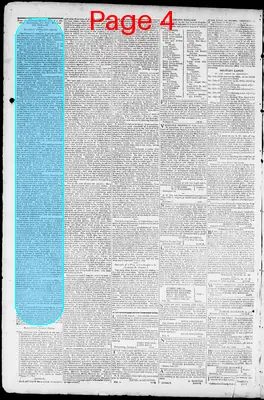
Story
February 16, 1810
The Enquirer
Richmond, Henrico County, Virginia
What is this article about?
Historical overview from 1809-10 Medical Repository on the phlogiston theory's revival in chemistry, contrasting German and French doctrines, Priestley's defense, failed American mediation, and recent English experiments equating phlogiston with hydrogen, challenging simple substances classification.
Clipping

OCR Quality
98%
Excellent
Full Text
From Mitchill and Miller's (N. Y.) Medical Repository, for Nov. Dec. and Jan. 1809,10.
The doctrine of Phlogiston reviving.
The Science of chemistry is not yet established upon stationary immutable principles. In the progress of experiment, new methods of analysis are discovered, and deeper researches are made into the composition of matter.
Of the great theories, the phlogistic, or the German doctrine, and the oxygenous or the French, have been the most distinguished. Becher and Stahl were the authors of the former. They supposed that during the burning of bodies something volatile escaped and flew away. From the observations they made on bodies undergoing decomposition by fire, they justly concluded that these contained an inflammable principle. To this they gave the correct and appropriate name of phlogiston. But as sulphur, coal, phosphorus, iron, zinc, & several other bodies were inflammable substances, those chemists were puzzled to tell what their phlogiston was. For want of such a definition, they bewildered themselves and their followers.
The obscurity which thus overspread the science of chemistry prepared the way for a revolution in its doctrines. Lavoisier and Berthollet were induced, by observing the phenomena wrought by oxygen in calcination and combustion, to reject the theory of the German philosophers altogether. They established the antiphlogistic hypothesis: and in reforming the language of chemistry they expunged the name of phlogiston from its nomenclature.
The experiments made in confirmation of the French doctrines were so specious, and the reasoning on them so imposing, that they rapidly won the assent of the chemical world. Kirwan suffered himself to be dazzled by their glare, & to profess a conviction of their truth. Black yielded a too easy assent, and subscribed in his latter days a recantation of the opinions he had publicly taught for many years. And Priestley, whose perspicacity enabled him to discern the inconclusiveness of the alleged facts, and the looseness of the arguments deduced from them, was considered by his old friends as obstinately adhering to antiquated and exploded opinions.
This able experimenter persisted to the end of his life in the belief that the Frenchmen were incorrect in their exhibition of facts, and he denied the fairness of the conclusions they deduced from their premises. See Med. Repos. Hex. I. vol 1 and 2, for the series of objections he made. But this great man waged an unequal contest, because he did not define specifically what his phlogiston was.
In 1798, America offered to mediate between the philosophical belligerents; but Priestley was proud of contending alone against the whole host of anti-phlogistians, and the anti-phlogistians were confident of numbers, and sure of victory over the insignificant opposition that remained. It was proposed to them to consider the hydrogen of the neologists as phlogiston, and to make the language conform by obliterating the former of these words, and substituting the latter in its place. But neither party would agree to this fair and equitable proposal. The war continued until it seemed in great measure to have ceased by the removal of the chief of the phlogistians from the field.
It was nevertheless affirmed in America, that the hypothesis on which the nomenclature of 1797 had been formed, was untrue. The metals, sulphur, phosphorus and coal were affirmed to consist respectively of a base and phlogiston. To this phlogiston was ascribed the blaze or flame they exhibited as they burned. To the loss of this, as well as to the absorption of oxygen, was the production of oxyds, acids and water, during that process, attributed. In short, by clothing phlogiston with the character and qualities of hydrogen, the principal difficulties vanished, and the dispute seemed to be capable of being entirely reconciled. [See the plan in Med. Repos. Hex. I. vol. 1 p 514, and in Nicolson's Journal.]
Subsequent discoveries have proved that the table of chemical nomenclature was framed too soon, and that the earths and alkalies are no more entitled to be ranked among the simple substances, than the inflammables and the metals. They are all compounds.
Thus the controversy rested until a series of experiments and doctrines arose in England, which threaten another revolution in chemistry. Towards the close of October 1809, the professor of that science in the new institution at London had persuaded the Savans, that of the palpable substances there were but two in nature in an elementary state, viz. oxygen and metal.
The earths and the three alkalies had all been demonstrated to be metallic oxyds, either by exhibiting them alone, or in alloys with mercury or other metals. The inflammable bodies, sulphur, charcoal, phosphorus and the basis of boracic acid, had been all decompounded, and yielded metal. Strange notions had been started concerning hydrogen. According to the progress at that time made, hydrogen was conjectured to contain a metallic basis, susceptible of eight degrees of oxygenation. 1. The first degree of oxygenation, or protoxyd of this supposed metal, is common hydrogen: 2. the deuteroxyd is ammoniac, or volatile alkali; 3. the tritoxyd is septon, or azote; 4. the tetroxyd is water: 5. the pentoxyd is oxydule of azote: 6. the hexoxyd is oxyd of azote, or exhilarating gas: 7. the heptoxyd is nitrous acid; and 8 the octoxyd is nitric acid. Thus oxygen and the same metal according to the state and degree of oxygenation, constitute inflammable matter, alkali, azote, water, oxyds and even acids.
Amidst these turnings and over-turnings, it may be plainly seen by an impartial by-stander, that many of the modern experiments and fashionable doctrines erected upon them, are wholly superceded. The facts more lately developed, warrant the conclusion that the earths and alkalies are composed of oxygen and metal; and on separating this oxygen from its base, and adding phlogiston thereto in its place, the oxyd is converted to metal proper. While, on exposing those metals to oxygen, the former is detached, the latter absorbed, and the metal re-converted to an oxyd.
And what is true of these new metals, is true, by analogy, of all the other metals. Indeed jam redit et virgo, redeunt saturnia regna—by the addition of phlogiston [hydrogen] to metals and inflammables, do the former acquire their shining and malleable qualities, and the latter the power of flaming or blazing; and by the departure of this, and the combination with oxygen, do they turn to oxyds and acids.
The doctrine of Phlogiston reviving.
The Science of chemistry is not yet established upon stationary immutable principles. In the progress of experiment, new methods of analysis are discovered, and deeper researches are made into the composition of matter.
Of the great theories, the phlogistic, or the German doctrine, and the oxygenous or the French, have been the most distinguished. Becher and Stahl were the authors of the former. They supposed that during the burning of bodies something volatile escaped and flew away. From the observations they made on bodies undergoing decomposition by fire, they justly concluded that these contained an inflammable principle. To this they gave the correct and appropriate name of phlogiston. But as sulphur, coal, phosphorus, iron, zinc, & several other bodies were inflammable substances, those chemists were puzzled to tell what their phlogiston was. For want of such a definition, they bewildered themselves and their followers.
The obscurity which thus overspread the science of chemistry prepared the way for a revolution in its doctrines. Lavoisier and Berthollet were induced, by observing the phenomena wrought by oxygen in calcination and combustion, to reject the theory of the German philosophers altogether. They established the antiphlogistic hypothesis: and in reforming the language of chemistry they expunged the name of phlogiston from its nomenclature.
The experiments made in confirmation of the French doctrines were so specious, and the reasoning on them so imposing, that they rapidly won the assent of the chemical world. Kirwan suffered himself to be dazzled by their glare, & to profess a conviction of their truth. Black yielded a too easy assent, and subscribed in his latter days a recantation of the opinions he had publicly taught for many years. And Priestley, whose perspicacity enabled him to discern the inconclusiveness of the alleged facts, and the looseness of the arguments deduced from them, was considered by his old friends as obstinately adhering to antiquated and exploded opinions.
This able experimenter persisted to the end of his life in the belief that the Frenchmen were incorrect in their exhibition of facts, and he denied the fairness of the conclusions they deduced from their premises. See Med. Repos. Hex. I. vol 1 and 2, for the series of objections he made. But this great man waged an unequal contest, because he did not define specifically what his phlogiston was.
In 1798, America offered to mediate between the philosophical belligerents; but Priestley was proud of contending alone against the whole host of anti-phlogistians, and the anti-phlogistians were confident of numbers, and sure of victory over the insignificant opposition that remained. It was proposed to them to consider the hydrogen of the neologists as phlogiston, and to make the language conform by obliterating the former of these words, and substituting the latter in its place. But neither party would agree to this fair and equitable proposal. The war continued until it seemed in great measure to have ceased by the removal of the chief of the phlogistians from the field.
It was nevertheless affirmed in America, that the hypothesis on which the nomenclature of 1797 had been formed, was untrue. The metals, sulphur, phosphorus and coal were affirmed to consist respectively of a base and phlogiston. To this phlogiston was ascribed the blaze or flame they exhibited as they burned. To the loss of this, as well as to the absorption of oxygen, was the production of oxyds, acids and water, during that process, attributed. In short, by clothing phlogiston with the character and qualities of hydrogen, the principal difficulties vanished, and the dispute seemed to be capable of being entirely reconciled. [See the plan in Med. Repos. Hex. I. vol. 1 p 514, and in Nicolson's Journal.]
Subsequent discoveries have proved that the table of chemical nomenclature was framed too soon, and that the earths and alkalies are no more entitled to be ranked among the simple substances, than the inflammables and the metals. They are all compounds.
Thus the controversy rested until a series of experiments and doctrines arose in England, which threaten another revolution in chemistry. Towards the close of October 1809, the professor of that science in the new institution at London had persuaded the Savans, that of the palpable substances there were but two in nature in an elementary state, viz. oxygen and metal.
The earths and the three alkalies had all been demonstrated to be metallic oxyds, either by exhibiting them alone, or in alloys with mercury or other metals. The inflammable bodies, sulphur, charcoal, phosphorus and the basis of boracic acid, had been all decompounded, and yielded metal. Strange notions had been started concerning hydrogen. According to the progress at that time made, hydrogen was conjectured to contain a metallic basis, susceptible of eight degrees of oxygenation. 1. The first degree of oxygenation, or protoxyd of this supposed metal, is common hydrogen: 2. the deuteroxyd is ammoniac, or volatile alkali; 3. the tritoxyd is septon, or azote; 4. the tetroxyd is water: 5. the pentoxyd is oxydule of azote: 6. the hexoxyd is oxyd of azote, or exhilarating gas: 7. the heptoxyd is nitrous acid; and 8 the octoxyd is nitric acid. Thus oxygen and the same metal according to the state and degree of oxygenation, constitute inflammable matter, alkali, azote, water, oxyds and even acids.
Amidst these turnings and over-turnings, it may be plainly seen by an impartial by-stander, that many of the modern experiments and fashionable doctrines erected upon them, are wholly superceded. The facts more lately developed, warrant the conclusion that the earths and alkalies are composed of oxygen and metal; and on separating this oxygen from its base, and adding phlogiston thereto in its place, the oxyd is converted to metal proper. While, on exposing those metals to oxygen, the former is detached, the latter absorbed, and the metal re-converted to an oxyd.
And what is true of these new metals, is true, by analogy, of all the other metals. Indeed jam redit et virgo, redeunt saturnia regna—by the addition of phlogiston [hydrogen] to metals and inflammables, do the former acquire their shining and malleable qualities, and the latter the power of flaming or blazing; and by the departure of this, and the combination with oxygen, do they turn to oxyds and acids.
What sub-type of article is it?
Historical Event
Curiosity
Extraordinary Event
What themes does it cover?
Exploration
Fortune Reversal
Triumph
What keywords are associated?
Phlogiston Theory
Chemistry History
Oxygen Doctrine
Priestley Defense
Hydrogen Equivalence
Scientific Revolution
What entities or persons were involved?
Becher
Stahl
Lavoisier
Berthollet
Kirwan
Black
Priestley
Where did it happen?
America, England, London
Story Details
Key Persons
Becher
Stahl
Lavoisier
Berthollet
Kirwan
Black
Priestley
Location
America, England, London
Event Date
1809 1810
Story Details
Overview of phlogiston theory's history, its challenge by oxygen theory, Priestley's defense, 1798 American mediation proposing hydrogen as phlogiston, and 1809 English experiments reviving it by reclassifying substances as oxygen-metal compounds.