Thank you for visiting SNEWPapers!
Sign up free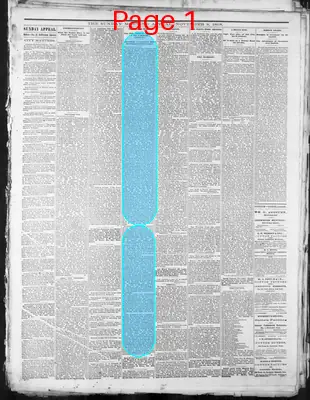
Letter to Editor
November 8, 1868
Memphis Daily Appeal
Memphis, Shelby County, Tennessee
What is this article about?
A 1867 letter to Memphis Appeal editors urges city authorities to publish the water supply and sewerage commission's report, emphasizing benefits like pure water for 1M people at $2M cost, health improvements, manufacturing growth, and $75k annual insurance savings to boost prosperity.
Clipping

OCR Quality
98%
Excellent
Full Text
The Publication of the Report of the Commission Called for,
Interesting Information About Our Proposed Water Supply.
Editors Memphis Appeal:
Few of our citizens have forgotten the fact that in March, 1867, a commission was organized for the purpose of taking all necessary steps to supply the city with water, and establish a system of sewerage. They were instructed to proceed promptly to take the preliminary measures for the accomplishment of the important work with which they were charged. The commission was composed of W. R. Hunt, W. B. Greenlaw, J. J. Murphy, Charles Jones, D. Pante, R. D. Baugh and John Overton-among whom are some of the largest taxpayers, most enterprising citizens, and most capable business men of our city. Out of their number the commissioners displayed their discernment by electing Col. Wm. R. Hunt President of the Board, whose practical as well as theoretical knowledge of such enterprises is not surpassed by that of any one in our midst. Three of the commissioners, Col. Hunt, Mr. Jones and Mr. Overton, at once visited the principal cities of the United States, with the view to practically acquaint themselves with the several systems of water supply and sewerage, their cost, advantages and defects. Two of the ablest and most experienced hydraulic engineers in America or Europe were engaged to undertake the surveys and furnish specifications, plans and estimates. Mr. Chas. Hermany, who superintended the construction of the Cleveland, and Louisville water works, was selected as engineer, and Mr. Cheesbro, who stands pre-eminent as an engineer, and whose European reputation is almost without a rival, was employed as consulting engineer. The surveys were carefully and ably accomplished by the former of these gentlemen, assisted by some of our resident engineers. An area of many miles in and adjacent to the city was thoroughly and accurately surveyed at a cost of less than forty thousand dollars to the city in scrip, while the same or similar work has cost other cities seventy-five to one hundred thousand dollars in cash. The facts elicited are of the most interesting character, and bear directly upon the future welfare of our city. It is demonstrated by these surveys that at a cost of two million dollars an abundant supply of purer water than is furnished to any other city in the Union, except two, may be supplied to one million of inhabitants. The cost would be a mere song for a boon which will insure health, comfort and cleanliness to every one who is likely to inhabit this bluff within the next century, and which will provide for us in ample measure the only element needed to make Memphis the great central manufacturing city of the Valley of the Mississippi. Shall we sit idly down and shut our eyes to such important knowledge as this? Shall we refuse even to make known these facts by a publication of the report of the engineers, and by printing their estimates, survey, maps and field notes? At a time of great pecuniary embarrassment to the city, the authorities deferred this necessary work of printing until such time as the financial situation should offer a brighter prospect for our future. I do not mean to impeach the wisdom of this postponement, but only to suggest that the hour has arrived when an enterprise of such vast moment to every citizen of Memphis, from the highest to the lowest, ought, in justice to those so vitally interested, to be looked into and pressed forward. Let the citizens have light upon a subject which has cost them already enough to warrant them in asking that they may be enlightened as to the results of the preliminary survey, which they are informed develops facts so highly interesting to them. Let us have light. Nay more; let us have enterprise, if we ever expect to fairly enter the race for competition with the cities of this valley as a manufacturing point. All are agreed that manufacturing is one of the chief elements we must hereafter look to as the complement of our prosperity. We can never have this without an abundant water supply, as we can never have health, comfort or cleanliness without it, and unless we perfect and systematize the natural basis of sewerage which the survey alluded to demonstrates as existing within a radius of territory adjacent to our city, large enough to contain all the population or area we are ever likely to have within the corporate limits.
In concluding this imperfect appeal to our city authorities to move at once in a matter so vitally bearing upon our future greatness and prosperity as a city, permit me, sir, to suggest that the annual interest of the debt to be increased by constructing these water works, it is estimated, will be met regularly within two years after the pipes begin to supply the water; with the increase of population and the extension of the benefits to a more numerous population, a sinking fund may be created to liquidate the principal of the debt. But aside from this, the amount saved in insurance to our citizens alone will save a large part of the interest of the debt to our taxpayers, as the following statement will show:
The average amount of property insured in Memphis is estimated at twenty millions: the average rate of premium paid is 1 1/2 per cent., making three hundred thousand dollars paid annually by our citizens for insurance. As soon as an ample and certain supply of water is furnished, the rates of insurance will be reduced twenty five per cent, thus saving in the item of insurance alone, seventy-five thousand dollars per annum. This saving is as sure as that now being realized by the commercial community by the Nicholson pavement, which in drayage alone economizes for the city to the extent of one hundred to one hundred and fifty thousand dollars per annum. Remembering the difficulty and the cost of transportation from the wharf to our railroad depots, by drays during the era of mud in Memphis, any old citizen is prepared to appreciate this estimate, and indorse it with his approval.
But, Mr. Editor, such estimates as these, solid and real as they are, dwindle into insignificance by the side of the more important sanitary and manufacturing advantages which we must derive from the proposed water and sewerage works, which would at once make Memphis one of the great centers that would be sought alike by capital, labor, intelligence, enterprise and energy, and would quadruple its population, wealth and rank among cities, within the next decade.
In the summer of 1867 a company of wealthy and enterprising gentlemen of Memphis were willing to undertake this great work, and bind themselves to receive the city's bonds and to manufacture all the material necessary for its completion within the city, thus immediately drawing hither a vast amount of capital and labor, and distributing in the community the sums received to carry forward the enterprise. I am not advised whether they are yet willing to offer these liberal terms to the city, having been absent for several months. But it is believed that the same conditions may yet be had if our city fathers will exhibit a wise foresight, and provide for the evident needs of a city which has seen its best days, and reached its maximum of prosperity and wealth, unless those who govern and direct its destinies shall display some of that vigilance, activity, and enterprise which have raised to sudden greatness cities that do not possess a tithe of the natural advantages of our city of the Bluff.
L.
Interesting Information About Our Proposed Water Supply.
Editors Memphis Appeal:
Few of our citizens have forgotten the fact that in March, 1867, a commission was organized for the purpose of taking all necessary steps to supply the city with water, and establish a system of sewerage. They were instructed to proceed promptly to take the preliminary measures for the accomplishment of the important work with which they were charged. The commission was composed of W. R. Hunt, W. B. Greenlaw, J. J. Murphy, Charles Jones, D. Pante, R. D. Baugh and John Overton-among whom are some of the largest taxpayers, most enterprising citizens, and most capable business men of our city. Out of their number the commissioners displayed their discernment by electing Col. Wm. R. Hunt President of the Board, whose practical as well as theoretical knowledge of such enterprises is not surpassed by that of any one in our midst. Three of the commissioners, Col. Hunt, Mr. Jones and Mr. Overton, at once visited the principal cities of the United States, with the view to practically acquaint themselves with the several systems of water supply and sewerage, their cost, advantages and defects. Two of the ablest and most experienced hydraulic engineers in America or Europe were engaged to undertake the surveys and furnish specifications, plans and estimates. Mr. Chas. Hermany, who superintended the construction of the Cleveland, and Louisville water works, was selected as engineer, and Mr. Cheesbro, who stands pre-eminent as an engineer, and whose European reputation is almost without a rival, was employed as consulting engineer. The surveys were carefully and ably accomplished by the former of these gentlemen, assisted by some of our resident engineers. An area of many miles in and adjacent to the city was thoroughly and accurately surveyed at a cost of less than forty thousand dollars to the city in scrip, while the same or similar work has cost other cities seventy-five to one hundred thousand dollars in cash. The facts elicited are of the most interesting character, and bear directly upon the future welfare of our city. It is demonstrated by these surveys that at a cost of two million dollars an abundant supply of purer water than is furnished to any other city in the Union, except two, may be supplied to one million of inhabitants. The cost would be a mere song for a boon which will insure health, comfort and cleanliness to every one who is likely to inhabit this bluff within the next century, and which will provide for us in ample measure the only element needed to make Memphis the great central manufacturing city of the Valley of the Mississippi. Shall we sit idly down and shut our eyes to such important knowledge as this? Shall we refuse even to make known these facts by a publication of the report of the engineers, and by printing their estimates, survey, maps and field notes? At a time of great pecuniary embarrassment to the city, the authorities deferred this necessary work of printing until such time as the financial situation should offer a brighter prospect for our future. I do not mean to impeach the wisdom of this postponement, but only to suggest that the hour has arrived when an enterprise of such vast moment to every citizen of Memphis, from the highest to the lowest, ought, in justice to those so vitally interested, to be looked into and pressed forward. Let the citizens have light upon a subject which has cost them already enough to warrant them in asking that they may be enlightened as to the results of the preliminary survey, which they are informed develops facts so highly interesting to them. Let us have light. Nay more; let us have enterprise, if we ever expect to fairly enter the race for competition with the cities of this valley as a manufacturing point. All are agreed that manufacturing is one of the chief elements we must hereafter look to as the complement of our prosperity. We can never have this without an abundant water supply, as we can never have health, comfort or cleanliness without it, and unless we perfect and systematize the natural basis of sewerage which the survey alluded to demonstrates as existing within a radius of territory adjacent to our city, large enough to contain all the population or area we are ever likely to have within the corporate limits.
In concluding this imperfect appeal to our city authorities to move at once in a matter so vitally bearing upon our future greatness and prosperity as a city, permit me, sir, to suggest that the annual interest of the debt to be increased by constructing these water works, it is estimated, will be met regularly within two years after the pipes begin to supply the water; with the increase of population and the extension of the benefits to a more numerous population, a sinking fund may be created to liquidate the principal of the debt. But aside from this, the amount saved in insurance to our citizens alone will save a large part of the interest of the debt to our taxpayers, as the following statement will show:
The average amount of property insured in Memphis is estimated at twenty millions: the average rate of premium paid is 1 1/2 per cent., making three hundred thousand dollars paid annually by our citizens for insurance. As soon as an ample and certain supply of water is furnished, the rates of insurance will be reduced twenty five per cent, thus saving in the item of insurance alone, seventy-five thousand dollars per annum. This saving is as sure as that now being realized by the commercial community by the Nicholson pavement, which in drayage alone economizes for the city to the extent of one hundred to one hundred and fifty thousand dollars per annum. Remembering the difficulty and the cost of transportation from the wharf to our railroad depots, by drays during the era of mud in Memphis, any old citizen is prepared to appreciate this estimate, and indorse it with his approval.
But, Mr. Editor, such estimates as these, solid and real as they are, dwindle into insignificance by the side of the more important sanitary and manufacturing advantages which we must derive from the proposed water and sewerage works, which would at once make Memphis one of the great centers that would be sought alike by capital, labor, intelligence, enterprise and energy, and would quadruple its population, wealth and rank among cities, within the next decade.
In the summer of 1867 a company of wealthy and enterprising gentlemen of Memphis were willing to undertake this great work, and bind themselves to receive the city's bonds and to manufacture all the material necessary for its completion within the city, thus immediately drawing hither a vast amount of capital and labor, and distributing in the community the sums received to carry forward the enterprise. I am not advised whether they are yet willing to offer these liberal terms to the city, having been absent for several months. But it is believed that the same conditions may yet be had if our city fathers will exhibit a wise foresight, and provide for the evident needs of a city which has seen its best days, and reached its maximum of prosperity and wealth, unless those who govern and direct its destinies shall display some of that vigilance, activity, and enterprise which have raised to sudden greatness cities that do not possess a tithe of the natural advantages of our city of the Bluff.
L.
What sub-type of article is it?
Persuasive
Informative
Political
What themes does it cover?
Infrastructure
Economic Policy
Politics
What keywords are associated?
Memphis Water Supply
Sewerage System
City Commission 1867
Infrastructure Project
Insurance Savings
Manufacturing Growth
Economic Benefits
What entities or persons were involved?
L.
Editors Memphis Appeal
Letter to Editor Details
Author
L.
Recipient
Editors Memphis Appeal
Main Argument
the letter urges memphis city authorities to publish the 1867 commission's report on water supply and sewerage systems and to proceed with the project, arguing it will provide health benefits, enable manufacturing growth, and yield economic savings like $75,000 annually in insurance premiums.
Notable Details
Commission Formed March 1867 With Members Including W. R. Hunt, W. B. Greenlaw, J. J. Murphy, Charles Jones, D. Pante, R. D. Baugh, John Overton
Engineers: Chas. Hermany And Cheesbro
Survey Cost Under $40,000 In Scrip
$2 Million For Water Supply To 1 Million Inhabitants
Insurance Savings: $75,000 Per Year From 25% Rate Reduction
1867 Company Offer To Build Using City Bonds