Thank you for visiting SNEWPapers!
Sign up free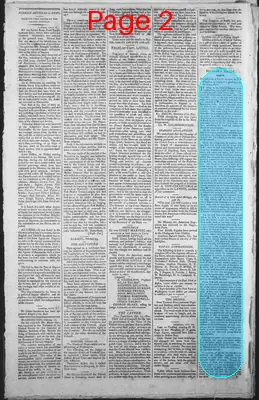
Literary
November 3, 1801
The New Hampshire Gazette
Portsmouth, Rockingham County, New Hampshire
What is this article about?
An 1798 letter extract from Fort Niagara describes the awe-inspiring approach to Niagara Falls, the thunderous roar, misty vapor, and sublime terror from Table Rock and below, emphasizing nature's grandeur and the visitor's overwhelming emotions.
Clipping

OCR Quality
95%
Excellent
Full Text
NIAGARA FALLS.
Extract from a Letter written at Fort Niagara, in 1798, to a gentleman in Newbury-Port.
IN riding to the Falls of Niagara, as in approaching any object of admiration, curiosity increases with every pace. The power of imagination, not more than the impression made on the sight and hearing, urges us to advance, till with one view we can comprise all that can be seen of these stupendous Falls. With a favorable wind the noise of their thunder has been heard twenty or thirty miles, or even at a greater distance. The vapor rising from them in form of a cloud, as condensed in cold weather, is seen in a clear day as far or farther. At three or four miles distance the traveller is struck by the vapor, the roaring, and the tremulous motion of the earth under his feet, resembling the small and continued shocks of an earthquake.
As the view of the water opens upon him he is lost in amazement, while he hobbles down the steep bank, and places his foot on the Table Rock, at the very verge of the cataract.
Here, for a long time, he remains, half petrified with horror, till he is wet with mist; with the most indescribable emotions he gazes, breathes out a deep sigh, looks about him again and again, and surveys with speechless wonder a brilliant rainbow, which may always be seen in a sunny day, forming a beautiful arch from the bottom of the Falls, and extending many rods below. He lands on tiptoe to look far above him up the river, and beyond some ripples sees an expanded surface of smooth water, delightfully interspersed with a variety of verdant islands, one of which is situated at the pitch of the Falls, and separates the river, for 15 or 20 rods, into two parts, much the greater division passing between the island and the west or Canada side: He advances probably on his hands and knees, to the edge of the rock, and with a mixture of pride, avidity, and apprehension, peeps over to behold the turbulent abyss below. He shudders in examining the evacuated bank of rocks, 150 feet high, on the top which he rests, fearing lest the projected layers which support him should give way, as many have done, and let him down to instant death. He rises, re-examines every part of the scene, delays to return, till at length he is forced to withdraw not half satisfied.
On the west side, one mile and a half below the falls, is a place, where, by the help of a ladder, a man may descend the steep rocky bank to the water's edge; between which and the foot of the bank, thro' a most difficult and dangerous route, he may walk to the foot of the falls. Conceive the traveller now standing at the bottom of the cataract, where the projecting sheet of falling water leaves a large vacuity, as it is improperly called, between itself and the hollow bank. The place is so replete with wind, and mist, and darkness, that no one can enter it. The prospect and feelings of the spectator on this spot mock all description, and set at defiance the choicest selection of words within the compass of my imagination to convey an adequate idea of the reality. Before you is the great body of falling water, compressed by the circular form of the rock over which it passes; its pea-green color, like that of the ocean, is gradually lost as it rushes down, assuming the softest, most beautiful and downy whiteness, till the eye can no longer trace it through the impenetrable mist which rises from the dashing of the water against the rocks in the bed of the river.
If you look into the river you are astonished by the wildest ebullitions; if up the side of the regularly hollowed bank of rocks, its inclined, threatening brow seems ready to bury you in ruins! if down the side of the river, a jagged and apparently impassable shore, over which you must again travel, and which has already cut your shoes, bruised your feet, and alarmed you by the expectation of broken bones, presents itself to view.--Notwithstanding these difficulties and dangers, women have taken this walk: Governor Simcoe's lady was one of the first. She was paid for her toil by possessing the ability to take an accurate and elegant drawing of the whole scenery. This art I never so ardently wished to possess as on this occasion. Here you read the strongest expressions in the countenances of your companions, but an overbearing stunning noise would prevent conversation, even if the agitation of any one could permit him to utter a syllable.
Although we could not remain here many minutes, we were two hours absent from the ladder which let us down. We were in a thick fine shower for a considerable distance below the falls, the wind blowing the cloud after us.
If a portion of horror be necessary to constitute the sublime, nothing seems wanting to place these falls among the sublimest objects of nature. Though descriptions of them may be attempted with various success, we are not to suppose that any of them can equal the original. My only endeavor has been to transcribe the sensations, and so note the appearances which engaged my attention when I first saw them.
Z.
Extract from a Letter written at Fort Niagara, in 1798, to a gentleman in Newbury-Port.
IN riding to the Falls of Niagara, as in approaching any object of admiration, curiosity increases with every pace. The power of imagination, not more than the impression made on the sight and hearing, urges us to advance, till with one view we can comprise all that can be seen of these stupendous Falls. With a favorable wind the noise of their thunder has been heard twenty or thirty miles, or even at a greater distance. The vapor rising from them in form of a cloud, as condensed in cold weather, is seen in a clear day as far or farther. At three or four miles distance the traveller is struck by the vapor, the roaring, and the tremulous motion of the earth under his feet, resembling the small and continued shocks of an earthquake.
As the view of the water opens upon him he is lost in amazement, while he hobbles down the steep bank, and places his foot on the Table Rock, at the very verge of the cataract.
Here, for a long time, he remains, half petrified with horror, till he is wet with mist; with the most indescribable emotions he gazes, breathes out a deep sigh, looks about him again and again, and surveys with speechless wonder a brilliant rainbow, which may always be seen in a sunny day, forming a beautiful arch from the bottom of the Falls, and extending many rods below. He lands on tiptoe to look far above him up the river, and beyond some ripples sees an expanded surface of smooth water, delightfully interspersed with a variety of verdant islands, one of which is situated at the pitch of the Falls, and separates the river, for 15 or 20 rods, into two parts, much the greater division passing between the island and the west or Canada side: He advances probably on his hands and knees, to the edge of the rock, and with a mixture of pride, avidity, and apprehension, peeps over to behold the turbulent abyss below. He shudders in examining the evacuated bank of rocks, 150 feet high, on the top which he rests, fearing lest the projected layers which support him should give way, as many have done, and let him down to instant death. He rises, re-examines every part of the scene, delays to return, till at length he is forced to withdraw not half satisfied.
On the west side, one mile and a half below the falls, is a place, where, by the help of a ladder, a man may descend the steep rocky bank to the water's edge; between which and the foot of the bank, thro' a most difficult and dangerous route, he may walk to the foot of the falls. Conceive the traveller now standing at the bottom of the cataract, where the projecting sheet of falling water leaves a large vacuity, as it is improperly called, between itself and the hollow bank. The place is so replete with wind, and mist, and darkness, that no one can enter it. The prospect and feelings of the spectator on this spot mock all description, and set at defiance the choicest selection of words within the compass of my imagination to convey an adequate idea of the reality. Before you is the great body of falling water, compressed by the circular form of the rock over which it passes; its pea-green color, like that of the ocean, is gradually lost as it rushes down, assuming the softest, most beautiful and downy whiteness, till the eye can no longer trace it through the impenetrable mist which rises from the dashing of the water against the rocks in the bed of the river.
If you look into the river you are astonished by the wildest ebullitions; if up the side of the regularly hollowed bank of rocks, its inclined, threatening brow seems ready to bury you in ruins! if down the side of the river, a jagged and apparently impassable shore, over which you must again travel, and which has already cut your shoes, bruised your feet, and alarmed you by the expectation of broken bones, presents itself to view.--Notwithstanding these difficulties and dangers, women have taken this walk: Governor Simcoe's lady was one of the first. She was paid for her toil by possessing the ability to take an accurate and elegant drawing of the whole scenery. This art I never so ardently wished to possess as on this occasion. Here you read the strongest expressions in the countenances of your companions, but an overbearing stunning noise would prevent conversation, even if the agitation of any one could permit him to utter a syllable.
Although we could not remain here many minutes, we were two hours absent from the ladder which let us down. We were in a thick fine shower for a considerable distance below the falls, the wind blowing the cloud after us.
If a portion of horror be necessary to constitute the sublime, nothing seems wanting to place these falls among the sublimest objects of nature. Though descriptions of them may be attempted with various success, we are not to suppose that any of them can equal the original. My only endeavor has been to transcribe the sensations, and so note the appearances which engaged my attention when I first saw them.
Z.
What sub-type of article is it?
Essay
Journey Narrative
What themes does it cover?
Nature
What keywords are associated?
Niagara Falls
Sublime Nature
Travel Description
Table Rock
Cataract
Vapor Mist
Thunderous Roar
What entities or persons were involved?
Z.
Literary Details
Title
Niagara Falls.
Author
Z.
Subject
Extract From A Letter Written At Fort Niagara, In 1798, To A Gentleman In Newbury Port.
Key Lines
With A Favorable Wind The Noise Of Their Thunder Has Been Heard Twenty Or Thirty Miles, Or Even At A Greater Distance.
Here, For A Long Time, He Remains, Half Petrified With Horror, Till He Is Wet With Mist; With The Most Indescribable Emotions He Gazes, Breathes Out A Deep Sigh, Looks About Him Again And Again, And Surveys With Speechless Wonder A Brilliant Rainbow...
The Prospect And Feelings Of The Spectator On This Spot Mock All Description, And Set At Defiance The Choicest Selection Of Words Within The Compass Of My Imagination To Convey An Adequate Idea Of The Reality.
If A Portion Of Horror Be Necessary To Constitute The Sublime, Nothing Seems Wanting To Place These Falls Among The Sublimest Objects Of Nature.